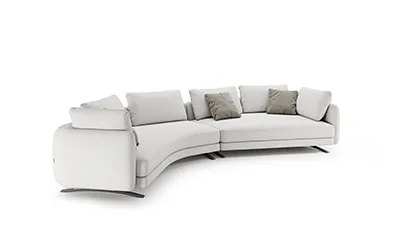
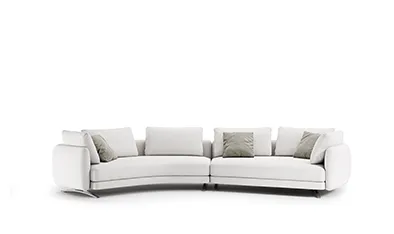
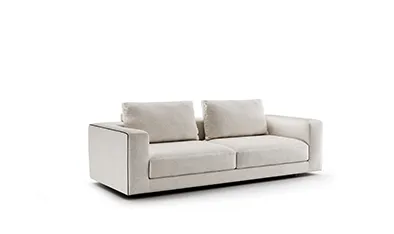
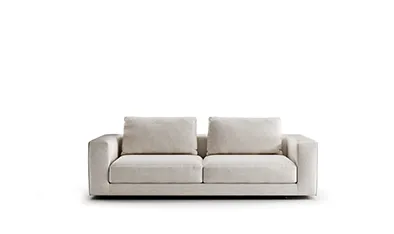
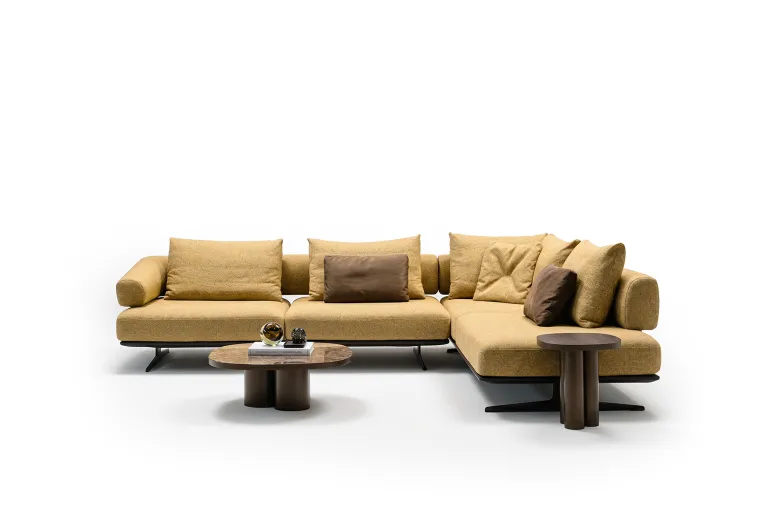
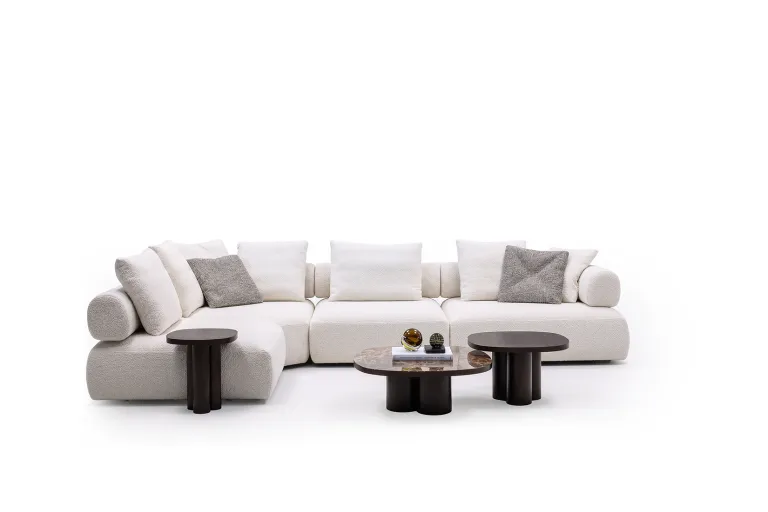
In an era of mass-produced aesthetics, the most compelling interiors are those that reflect a personal narrative. Moving away from the “total look” of a furniture catalogue, modern designers now favor a blend of contemporary precision and the soulful imperfection of the past. By integrating a clean-lined sofa or armchair with curated vintage finds, you create a space that feels both timeless and deeply personal – a home that has evolved over years rather than being assembled in a single afternoon.
The Anchor of Modern Comfort
The foundation of a successful “lived-in” room is a high-quality contemporary anchor. While vintage seating may offer charm, it often lacks the ergonomic support required for daily use. Designers at Olta prioritize the balance of architectural form and physical well-being, providing the perfect base for eclectic styling.
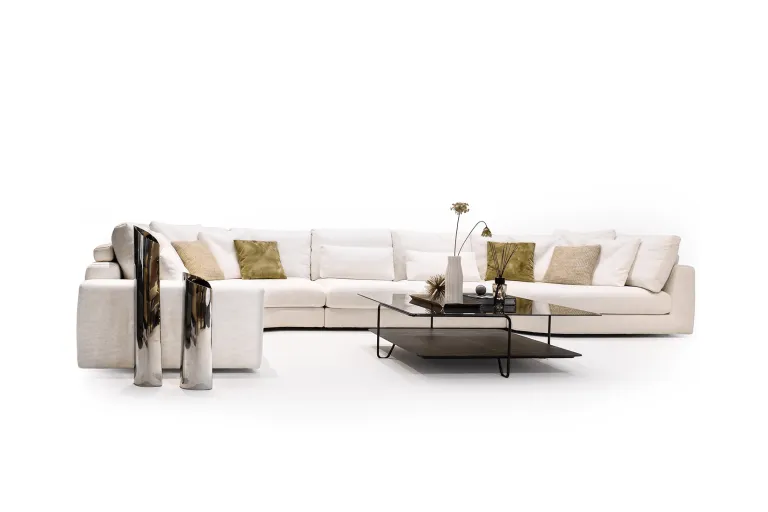
The Willow sofa, with its substantial proportions and generous cushions, acts as a sophisticated canvas. Its clean, modern silhouette provides a necessary visual rest point that allows an antique wooden cabinet or a 1960s ceramic lamp to truly stand out. When the primary seating feels grounded and intentional, the surrounding vintage accessories feel like curated choices rather than clutter.

Contrasting Textures and Eras
A truly unique interior thrives on the tension between different materials. Pairing a sleek, contemporary piece with the weathered patina of an old find creates a sensory richness that a monochromatic, single-era room cannot achieve.
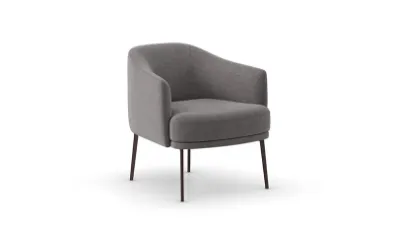
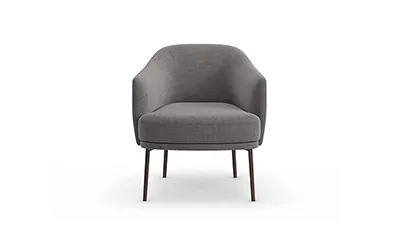
Consider the Coco armchair, noted for its refined and sculptural presence. Placing this modern seat next to a mid-century teak bookshelf or a hand-woven antique rug highlights the best qualities of both periods. This contrast is an artistic decision that brings energy to the space. Similarly, a modern sofa with soft edges – such as the Amalfi system – serves as the perfect complement to a home office featuring a classic vintage desk, balancing the sharp lines of traditional workspace furniture with welcoming, organic contours.

Bridging the Gap with Accessories
To unify a room filled with disparate eras, use materials that speak to both worlds. Natural wood and muted metallic finishes are universal design languages that harmonize the new with the old.
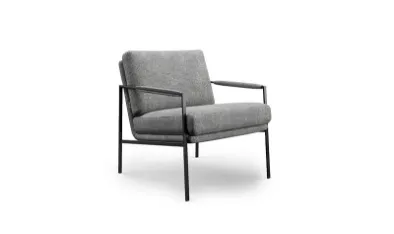
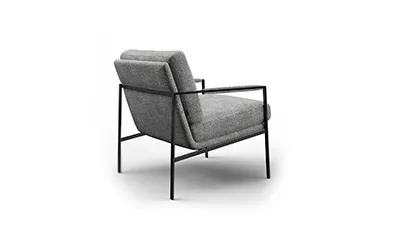
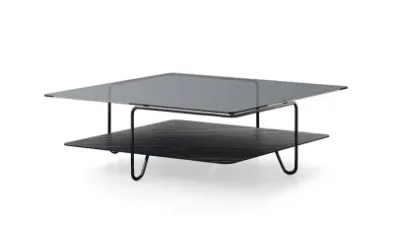
The Metro coffee table is an ideal tool for this integration. Available in light or dark oak finishes, its organic wood grain resonates with the materiality of vintage furniture while its minimalist frame remains firmly modern. This shared material palette creates a cohesive narrative across the room. Furthermore, incorporating the Grey armchair provides a functional link between zones; its structured form and precise detailing offer a muted, architectural presence that complements both a contemporary sofa and a rustic, aged sideboard.

Curating the “Lived-in” Balance
- The 80/20 Rule: For a balanced look, aim for 80% contemporary pieces to ensure the room feels functional and fresh, using 20% vintage accents to provide character and history.
- Vertical Interest: Use vintage art or mirrors to add height, while keeping the main seating, such as the Reverso sofa, low and grounded to maintain a sense of modern space.
- Tonal Harmony: Keep the color palette consistent across both new and old pieces to ensure the diverse styles feel like part of a single, unified vision.
FAQ
Q: Can I pair a modern modular sofa with an antique rug? A: Absolutely. A modular system – such as the Ritz – provides a clean, structured boundary that frames the intricate patterns and textures of an antique rug, making the floor a focal point of the room.
Q: How do I prevent a room with mixed styles from looking messy? A: Focus on the “flow” of the room. Designers at Olta suggest maintaining a clear 90 cm passage for walkways. When the functional layout is disciplined, the eclectic mix of furniture feels organized and intentional.
Q: Are modern fabrics compatible with the look of vintage textiles? A: Yes. The advanced weaves used on models like the Mistral sofa are designed to be tactile and rich. These textures pair beautifully with the heavy wools or linens often found in vintage décor, creating a sophisticated material layer.
Q: Is it possible to use a modern armchair at an old dining table? A: The Lenox armchair is a perfect candidate for this. Available with higher legs, it can transition from the living area to the head of a vintage dining table, blending modern ergonomic comfort with a historic setting.
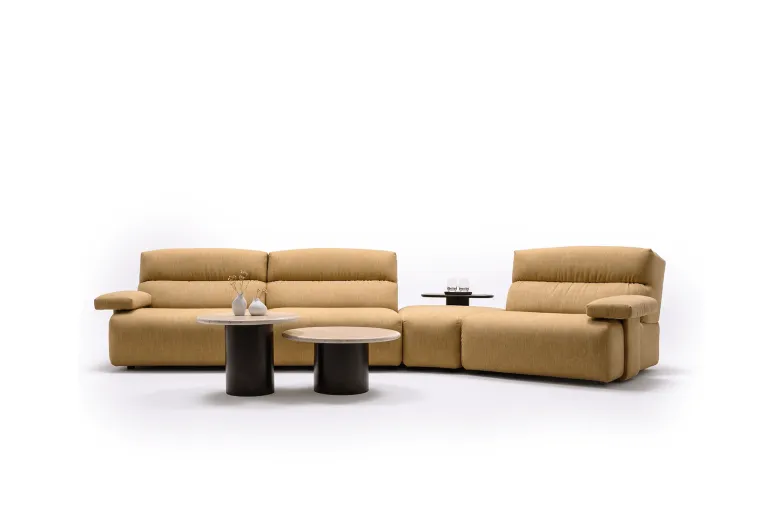
Q: Which table works best in a room full of diverse, vintage objects? A: The Orio table series, with its minimalist black steel frames, is an excellent choice. Its unobtrusive design provides a functional surface without competing for visual attention, allowing your unique vintage finds to remain the stars of the arrangement.
Modern minimalism is more than an aesthetic; it is a way of living that values purposeful design, spatial clarity, and comfort without clutter. In contemporary interiors, clean lines and neutral palettes create calm environments, but comfort should never be sacrificed for simplicity. Thoughtful selection of furnishings – from sofas to armchairs and tables – can deliver a minimalist look while ensuring that every piece invites you to relax and dwell. European craftsmanship underscores this approach, where refined design meets ergonomic detail.
The Essence of Minimalist Comfort
Minimalist interiors thrive on restraint: limited decorative elements, clean geometric forms, and seamless spatial flow. However, minimalist furniture can still be deeply inviting. Consider the Willow sofa—its modularity allows you to tailor configurations for social lounging or intimate relaxation without disrupting a pared‑back palette, and its seat height of 42 cm supports ergonomic comfort.

Anchor Seating: Sofas that Elevate Minimalism
The beauty of simplicity is that each piece becomes intentional and meaningful.
- Willow sofa structures the living area with soft geometric forms that balance visual calm and tactile comfort. Its configurable modules adapt from 80 cm to 256 cm in width, enabling you to scale seating to the room without visual overload.
- In contrast, model Anaga offers adjustable headrests and supportive back layers that foster a more dynamic comfort profile while preserving minimalist lines.
- Take the Ritz sofa—a distinctly simple silhouette with high‑quality supportive construction that shapes comfort harmoniously within a restrained scheme.
Each of these sofas exemplifies how minimalist form and ergonomic features can coexist without unnecessary ornamentation.
Seating and Accent Pieces: Adding Depth Without Clutter
Minimalist interiors benefit from carefully chosen accent chairs and low‑profile tables that act as functional focal points.
An armchair such as Lenox complements minimalist seating arrangements by offering a compact footprint without compromising comfort. Selecting upholstery and finishes that match or subtly contrast the sofa fabric maintains visual continuity.

For surfaces, low‑slim tables should offer practicality without heaviness. Simple rectangular or round tops in light wood or matte finishes support activities—from holding a morning coffee to displaying a carefully curated book stack—while preserving clean sightlines.
Functional Layering with Tables
Introduce occasional tables as anchors for activity zones. A coffee table with a surface height around 40–45 cm encourages relaxed interaction without interrupting minimalist proportions. While surface choices are stylistic, prioritize sturdy materials and clean forms that articulate function through simplicity.
Practical Tips for Achieving a Minimalist yet Comfortable Space
1. Limit Visual Noise:
Select a restrained color palette—warm neutrals, muted tones, or soft earth shades—to reinforce calm spatial perception.
2. Prioritize Proportions:
Measure your seating and circulation zones carefully. Optimal distances between sofa edges and tables (around 45–60 cm) ensure ease of movement and practical use.
3. Layer Textures, Not Objects:
Introduce texture with upholstery and textiles rather than decorative knick‑knacks. A finely tailored sofa fabric and a subtle wool rug add comfort while maintaining minimalism.
FAQ—Minimalism and Comfort in Practice
Q: How do I maintain a minimalist aesthetic without making my space feel cold?
A: Invest in high‑quality seating with thoughtful upholstery and ergonomic design. Soft yet structured sofas with warm upholstery (e.g., Willow) and accent chairs with supportive cushions deliver human comfort within a minimalist aesthetic.
Q: Can modular seating work in small spaces?
A: Yes. Modular systems allow you to define zones efficiently and reconfigure seating as needs change. Choose compact modules for small rooms and keep clear pathways.
Q: What height should my coffee table be relative to my sofa?
A: Aim for surface heights that are about 40–45 cm to sit comfortably within reach of standard sofa seat heights to support everyday use without disrupting line of sight.
Q: Should minimalist rooms avoid color entirely?
A: Minimalism benefits from a limited palette, but soft hues and natural materials add warmth without compromising simplicity.