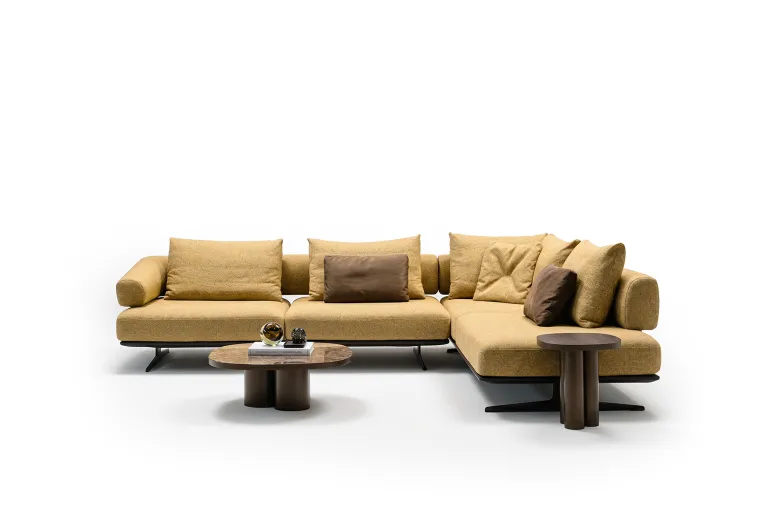
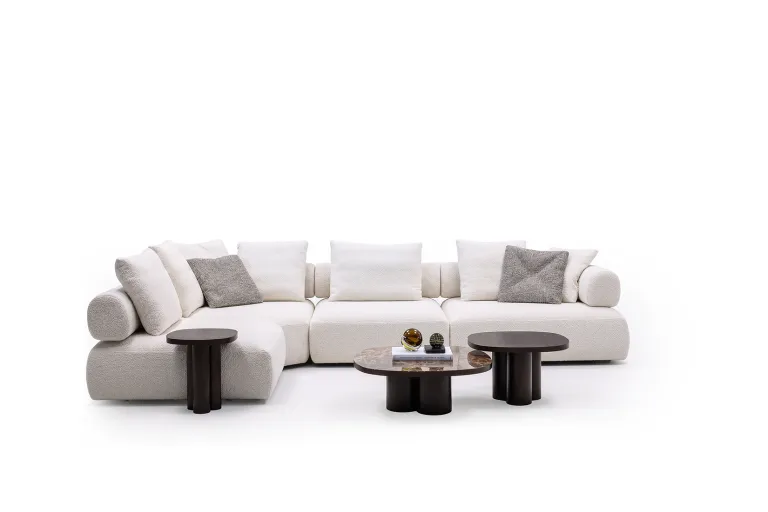
Designing an entirely black or entirely white lounge is an exercise in extreme discipline. Without the contrast of different colors to separate objects, a space can quickly lose its definition, causing furniture profiles to flatten into the surrounding architecture. To prevent a monochromatic environment from feeling cold or uninspired, designers shift their focus from the color wheel to the structural surface. By working with complex material weaves and sculptural configurations, you can capture the light, cast intentional shadows, and introduce a rich sensory layer to a single-hue environment.
The Dynamics of Textured Foundations
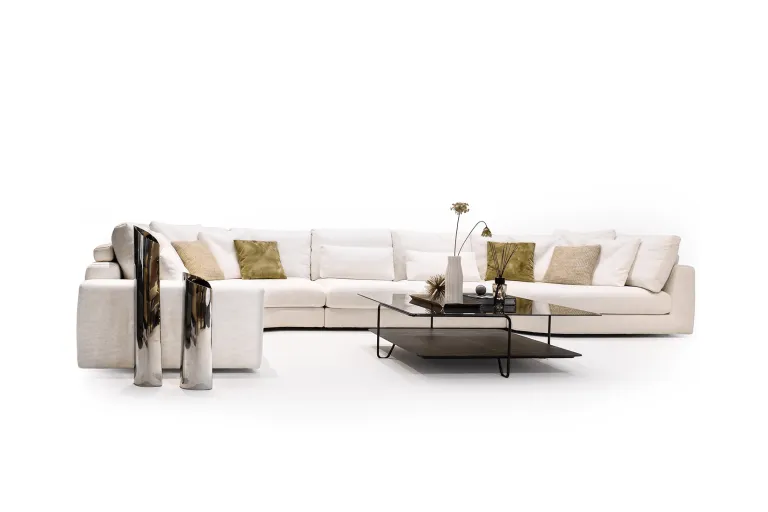
In an all-white or all-black layout, the primary sofa serves as the architectural foundation of the entire room. Since the fabric shares a similar tone with the flooring and walls, the weave of the textile must do the heavy visual lifting. A smooth fabric tends to recede into the background, while more tactile surfaces such as BOUCLE, BOLD WEAVE or INNER WEAVE catch the light from different angles, creating subtle micro-shadows that help define the furniture’s form.
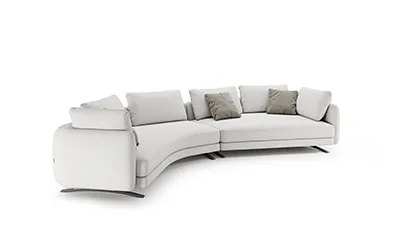
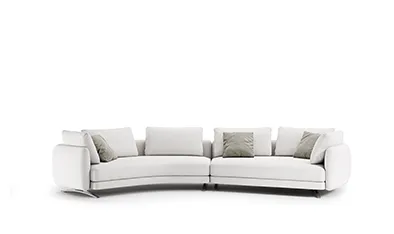
The Amalfi sofa provides an exceptional canvas for this design technique. Its sweeping, organic contours and deep seats naturally create a sense of movement in a room. When upholstered in a heavily textured, light-colored boucle, the curved silhouette catches overhead illumination, casting soft gradients across its rounded surfaces. This interaction between light and deep texture ensures that an all-white lounge feels warm, inviting, and layered, rather than stark or sterile.

Balancing Geometric Lines and Structural Forms
Achieving depth in a monochromatic lounge also relies on the strategic mixing of different shapes and orientations. Pairing a long, horizontal modular setup with compact, geometric accent pieces breaks up visual uniformity, keeping the eye engaged as it moves through the open space.
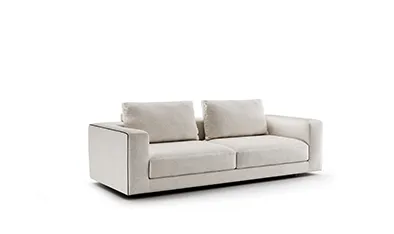
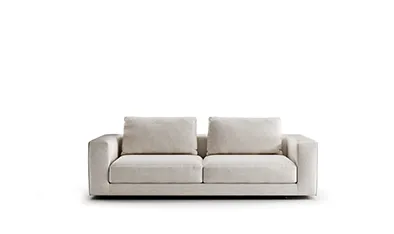
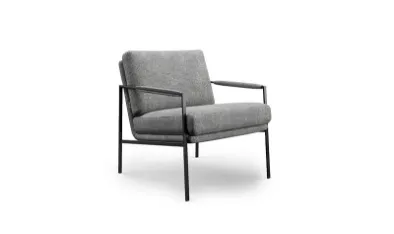
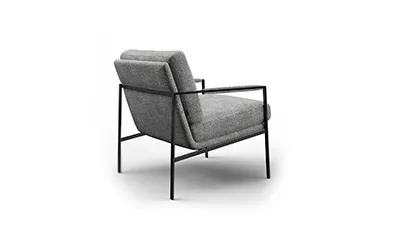
Consider a stark, all-black lounge layout. The Arno sofa establishes a clean, disciplined presence that anchors the relaxation area. To interrupt these long, linear boundaries, Designers at Olta suggest incorporating an organic counterpoint nearby. When specified in a dark, structured melange texture, it introduces a compact, sculptural shape that stands out clearly against the smooth leather or crisp lines of the main seating area, adding a layer of physical and visual complexity.
Integrating Material Contrast and High-End Finishes
While fabrics provide the essential soft layers, hard surfaces introduce necessary definition to a single-hue palette. Incorporating natural materials allows you to present different versions of your chosen monochromatic theme without introducing foreign colors.
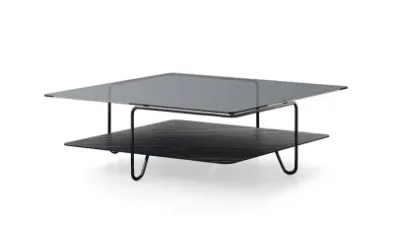
The Orio coffee table series is a sophisticated tool for adding structural contrast. Featuring a minimalist black steel frame, the table provides crisp, architectural lines that delineate space without overcrowding it. By selecting an ORIO finish that complements the room’s dominant palette, the table creates a visual bridge between the soft upholstery and the more architectural elements of the interior. Its combination of glass, ceramic and slender painted-steel elements introduces contrast without disrupting the overall composition, helping the space feel cohesive and deliberately curated.

Guidelines for Monochromatic Depth
- Vary the Weave Density: Pair a smoother fabric such as SMOOTH TEXTURE on larger surfaces with a more pronounced BOUCLE, BOLD WEAVE or INNER WEAVE on accent cushions to create immediate visual layering.
- Incorporate Organic Lighting: Position textured seating near windows where natural light can sweep across the fabric, accentuating the depth of the material.
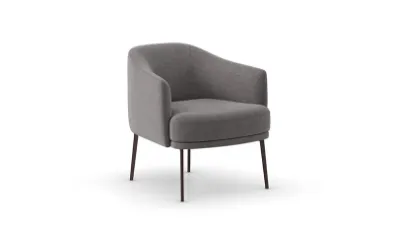
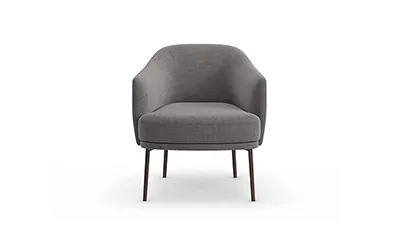
- Vary Seating Heights: Introduce a KELLY armchair into the layout. Its rounded form softens the composition and adds a distinctive yet timeless accent, while the enveloping backrest enhances the sense of comfort and creates a more inviting seating arrangement.

FAQ
Q: Will an all-white room feel too cold for daily family life?
A: Not if you prioritize textural depth and advanced cushioning. Utilizing a system like the Flan sofa – which pairs contemporary monoblock styling with enveloping memory foam layers – introduces an inviting softness that counteracts the minimalism of a single-hue room.
Q: How do I choose a coffee table for an all-black lounge?
A: Look for architectural lines that contrast with your upholstery. The Orio table series, with its black steel frame, provides an excellent graphic boundary that separates the soft furniture from the floor plane, ensuring each piece remains distinct.
Q: Can I mix different types of fabric in a single monochromatic layout?
A: Absolutely. In fact, mixing contrasting fabric structures – such as inner weave on a main sofa and a melange texture on a Kelly armchair – is the most effective way to build depth without compromising the single-color theme.
Q: How does the shape of a sofa impact an all-white interior?
A: In a white room, shadow becomes your primary design tool. An organically shaped model – such as the Amalfi sofa – uses its curved backrests and deep seats to naturally trap light and cast soft shadows, creating a sculptural presence that flat furniture cannot achieve.
Q: How can I introduce a versatile layout in a large, monochromatic space?
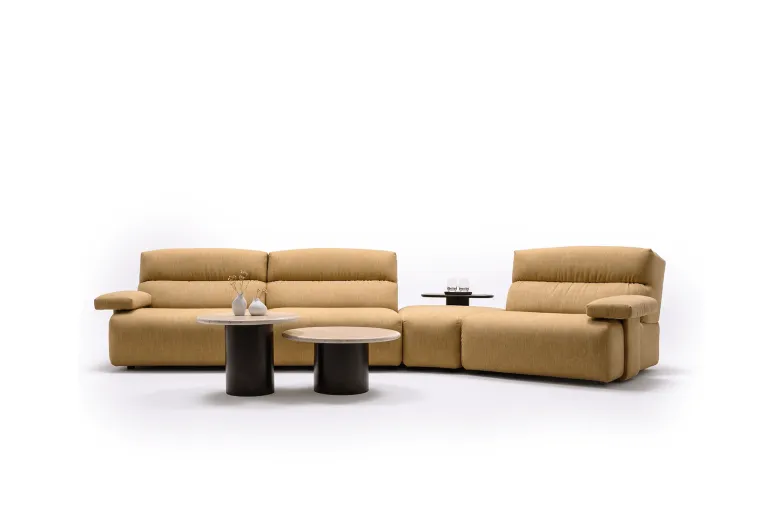
A: Use a highly adaptable modular setup. The Reverso sofa functions as a "puzzle sofa," allowing you to separate the individual modules into single armchairs or arrange them face-to-face. This mobility alters how light interacts with the furniture configuration, allowing you to refresh the room's depth and flow.