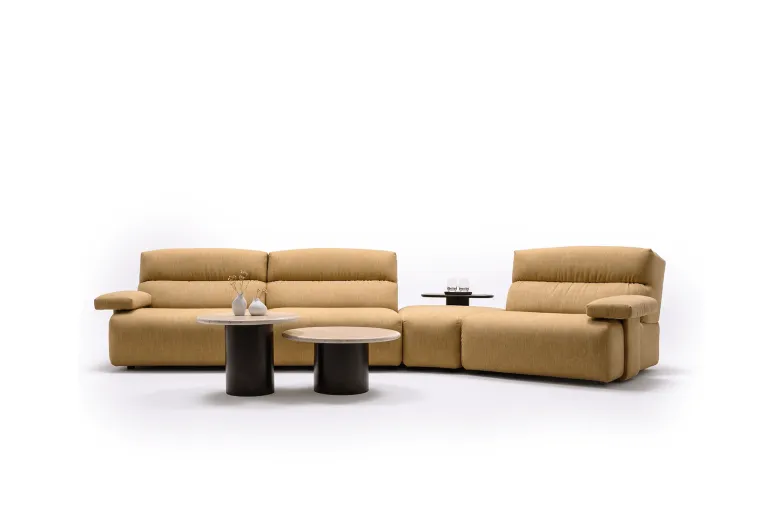
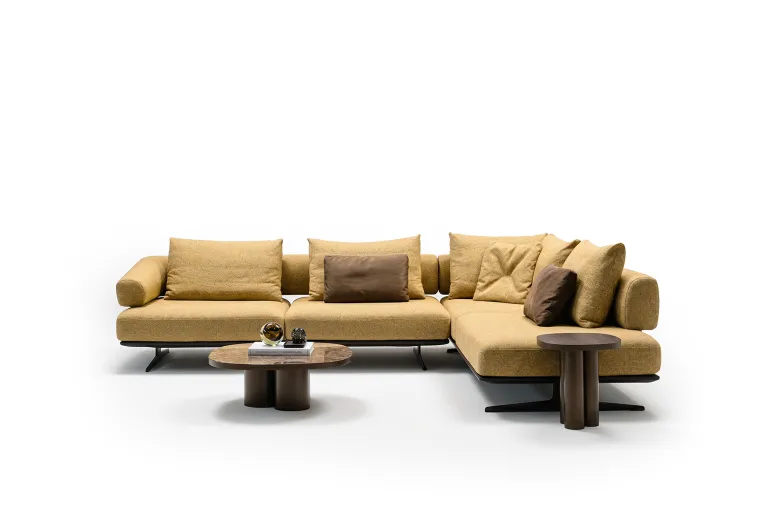
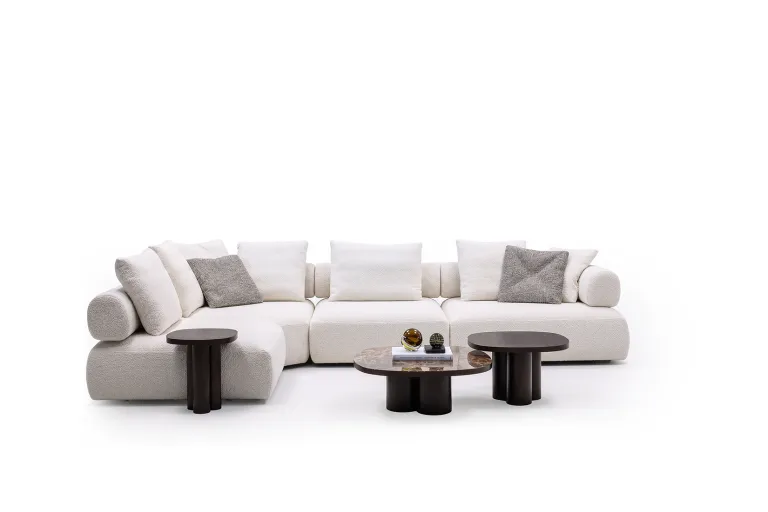
One large coffee table, placed exactly in the middle of the rug, at the same distance from every seat. For decades this was the default – safe, symmetrical and, let’s be honest, a little predictable. Contemporary interiors are moving in a different direction: instead of a single dominant table, designers group two or three smaller ones of differing heights, shapes, and materials. The result is an asymmetrical cluster – a composition that feels curated rather than purchased, and that works much harder in everyday life.
Why asymmetry works
An asymmetrical arrangement introduces rhythm. The eye moves from a lower, wider top to a taller, smaller one, and the whole grouping reads as one deliberate statement rather than a collection of accidents. Just as important is the practical side: separate tables can be pulled apart when guests arrive, pushed together for a family film evening, or shifted to wherever a cup, a laptop, or a board game needs to land. A cluster follows the rhythm of life instead of dictating it – a philosophy very close to the way Olta designs its upholstered furniture.
Mixing materials with intention
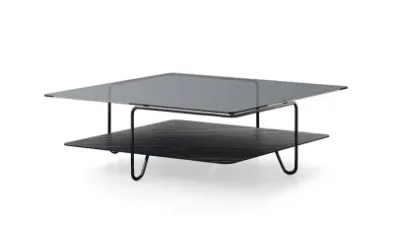
The secret of a convincing cluster is contrast held together by a common thread. Olta’s coffee table collection is built precisely for this kind of play. The STRATO and LINA tables bring the warmth of wood in natural tones – from light Antico Naturale to deep Terra – supported by painted steel frames. MIRO and ORIO answer with cooler elegance: painted bases carrying tops in Carrara or Nero Marquina marble, smooth glass or cast glass.
A masterclass pairing might look like this: a wooden side table as the grounding, tactile element, a marble-topped coffee table as the sculptural accent, and their shared geometry as the connecting thread. Wood adds warmth, marble adds gravitas, metal adds lightness. Three materials, one statement.
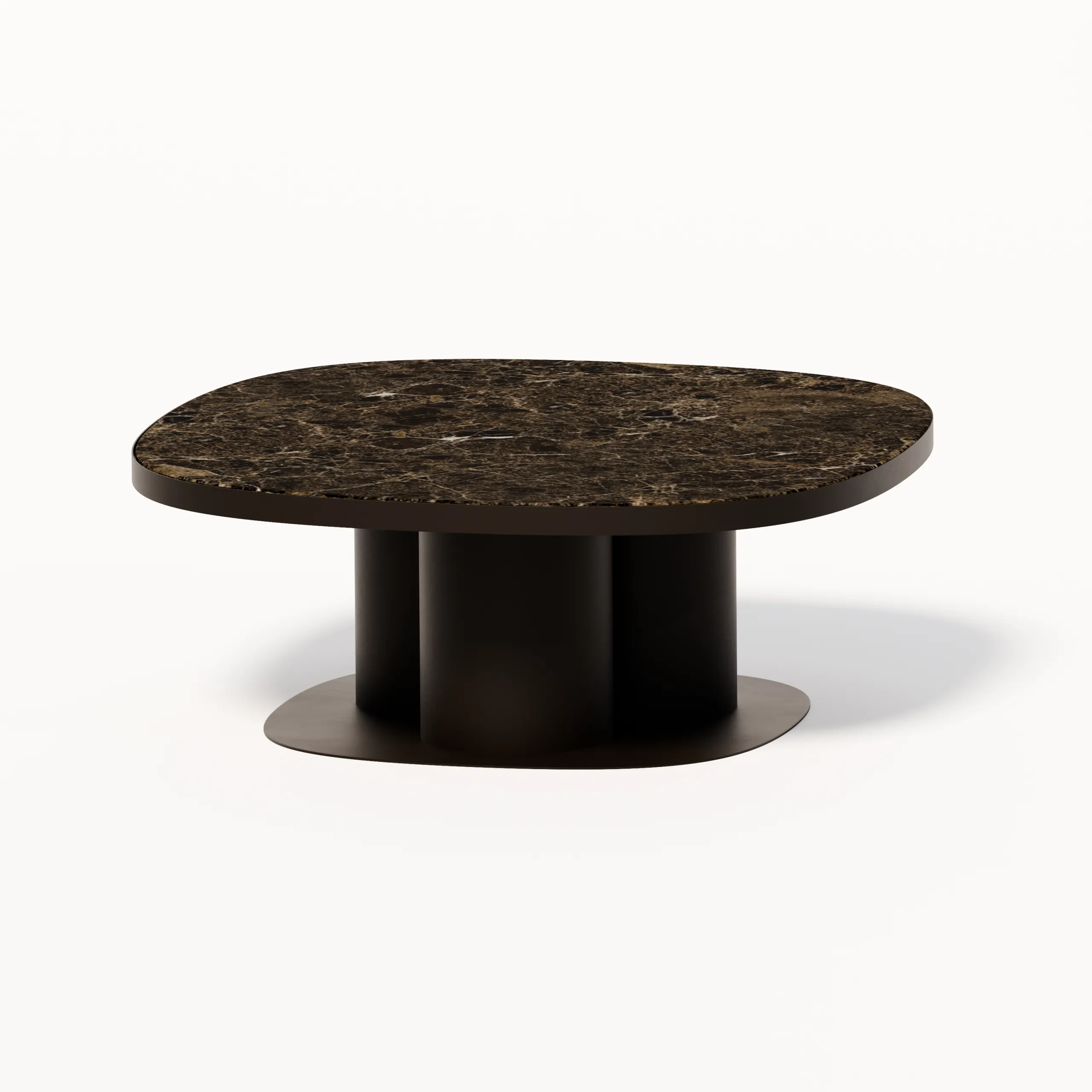
Keep one rule in mind: repeat at least one element across the group. It can be the color of the steel legs, a similar top shape, or a consistent tonal family. Contrast creates interest; repetition creates harmony.
Height, shape, and negative space
Vary the heights so the tables overlap visually without competing – a difference of a few centimeters is enough to create depth. Combine a round or soft-edged top with a more architectural one, and let the shapes converse. Crucially, do not fill every gap. Negative space between the tables is part of the composition: it keeps the arrangement light and leaves room for the cluster to be reconfigured.
Scale matters too. Together, the tables should relate to the sofa the way a single large table would – roughly two-thirds of the seat’s length – while sitting slightly lower or level with the seat cushion for effortless reach.
The cluster and the sofa: a dialogue
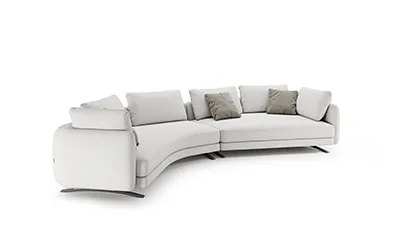
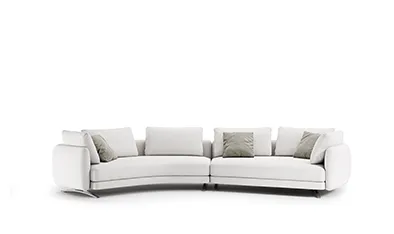
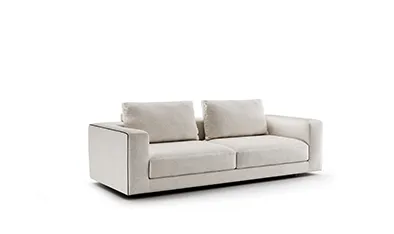
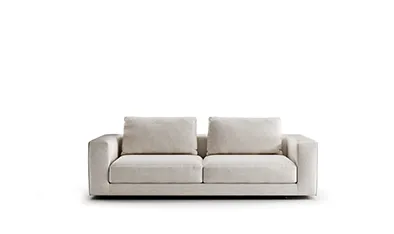
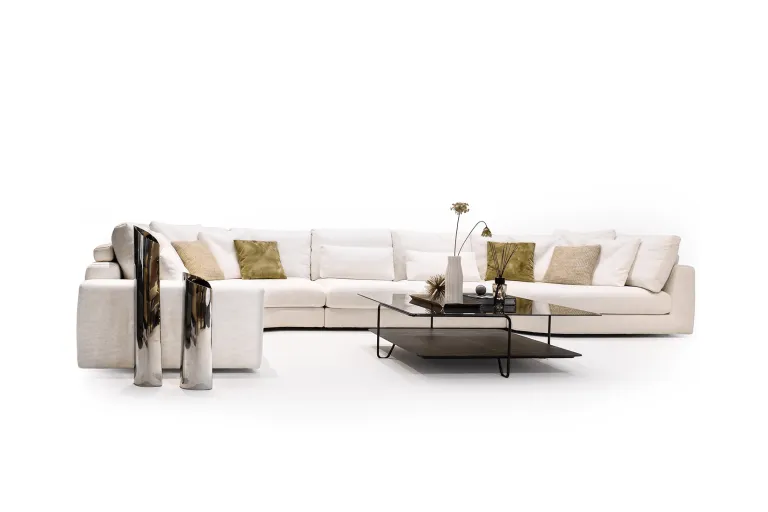
An asymmetrical cluster never performs alone. It converses with the sofa beside it – with the softness of the upholstery, the line of the armrest, the tone of the fabric. A dark ceramic top gains presence next to a light bouclé; warm wood softens a graphite sofa. For those who value mobility, the composition can be extended with the LUNGO side table, designed to slide to the sofa and hold a cup or a book exactly where it is needed at that moment.
This is what makes the asymmetrical cluster more than a styling trick. It is a way of furnishing that mirrors how we actually live: flexibly, informally, and always within arm’s reach of comfort. One statement, many possibilities – and a living room that finally feels like yours.
FAQ
How many coffee tables should an asymmetrical cluster include? Two or three is the sweet spot. Two tables of different heights already create dynamics, while three allow a full play of shapes and materials. More than three usually makes the composition feel cluttered, especially in average-sized living rooms.
Which materials combine best in one coffee table grouping? Contrasting but complementary ones. A proven trio is wood, marble, and painted steel – for example Olta’s wooden LINA alongside the marble-topped ALBA. Wood brings warmth, stone brings elegance, and metal keeps the composition visually light.
Should the tables in a cluster be the same height? No – the height difference is what makes the arrangement work. A few centimeters between the tops lets the tables overlap visually and adds depth. As a reference point, the tallest table should sit close to the height of the sofa seat.
How do I keep a mixed-material cluster from looking chaotic? Repeat one unifying element across the group: the same leg finish, a shared shape language, or a consistent color temperature. Contrast attracts the eye, repetition holds the composition together.
Can I add a side table to an existing cluster? Yes, and it is often the most practical upgrade. A mobile piece like Olta’s LUNGO table slides directly to the sofa, so drinks and devices are always within reach, while the main cluster keeps its sculptural role at the center of the arrangement.