Your home should be a sanctuary that nurtures both body and mind. Beyond aesthetics, the materials, textures, and proportions you choose directly impact your daily well-being. Understanding how sensory comfort influences mental health helps you create spaces that truly support your lifestyle.
The touch factor: why texture matters
Our skin constantly responds to our environment, even when we’re not consciously aware of it. Rough, synthetic textures can create subtle stress, while natural, soft materials promote relaxation. OLTA’s commitment to premium fabrics in collections goes beyond luxury – these carefully selected textures actively contribute to comfort and calm.
Natural fibers breathe with your body, regulating temperature and moisture naturally. Wool, linen, and cotton blends feel inviting to touch and improve over time, developing character rather than deteriorating.
Creating sensory harmony through materials
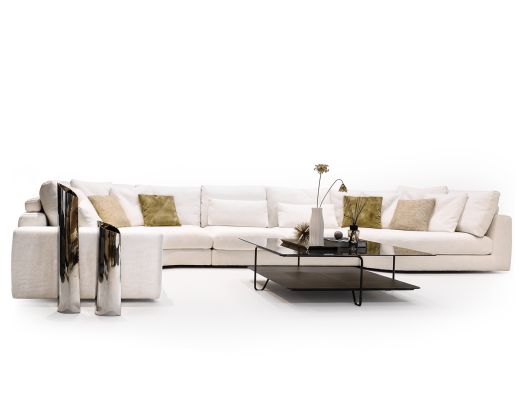
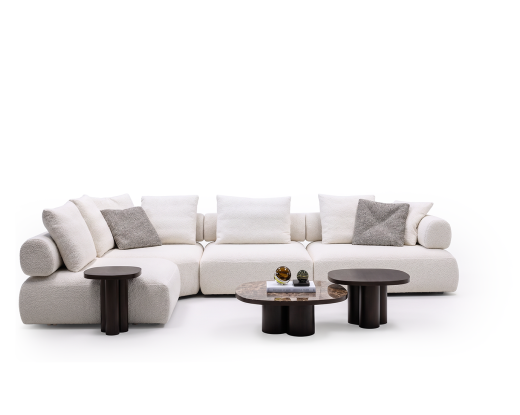
Different rooms require different sensory approaches. Living spaces benefit from varied textures that invite interaction – perhaps the smooth leather of Ritz combined with soft throw pillows, or the structured comfort of Stone paired with natural wood accessories.

The psychology of natural elements
Incorporating natural materials triggers our innate connection to nature, reducing stress hormones and improving mental clarity. Elements such as the optional wooden shelves integrated into the Calypso collection add visual warmth and authenticity, creating interiors that feel more grounding and soothing. Natural materials also age beautifully, enriching the space over time in a way synthetic alternatives cannot match.
Key Natural Material Benefits:
- Solid wood provides stability and warmth
- Natural stone adds grounding energy and cool contrast
- Organic fabrics regulate temperature and feel pleasant against skin
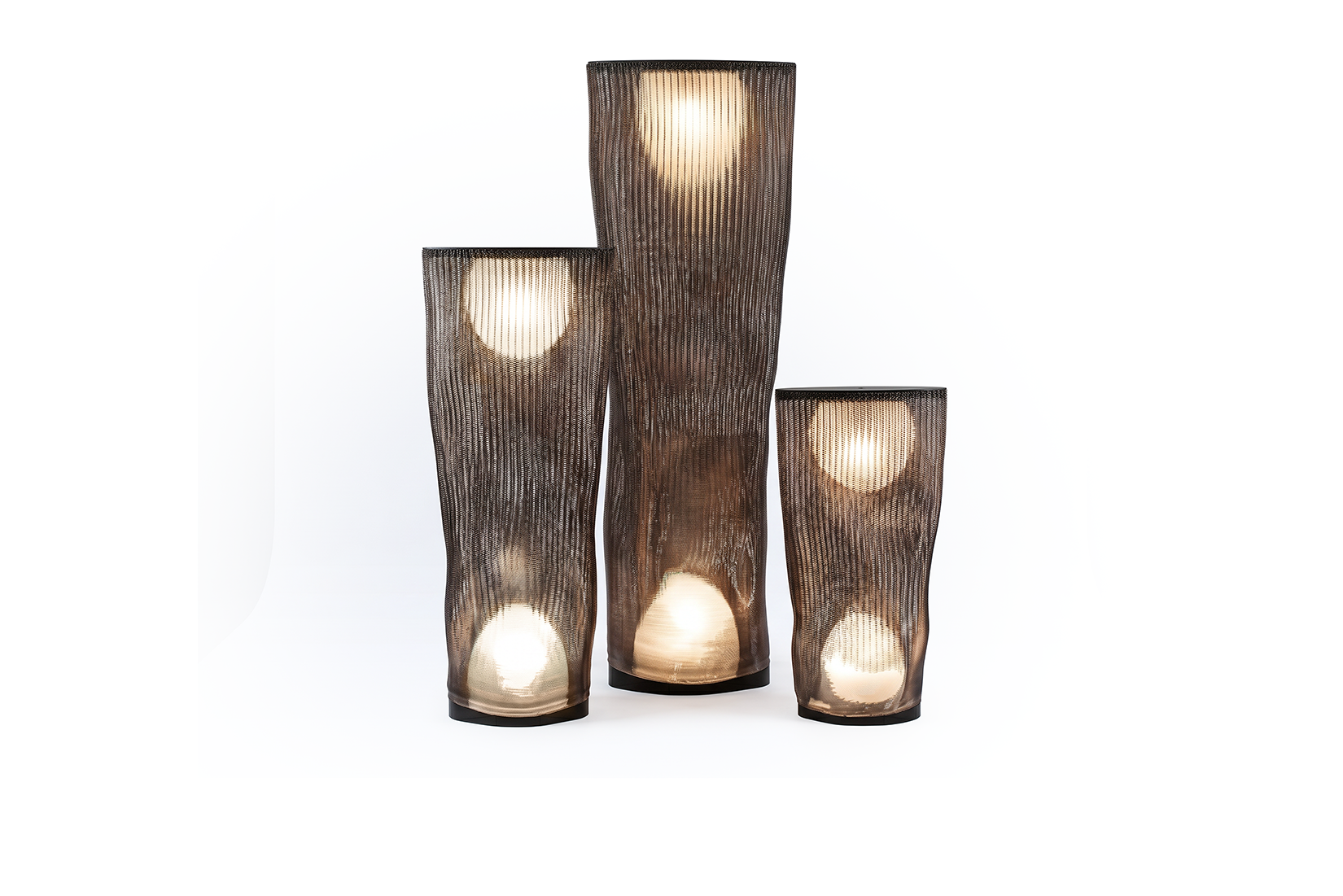
- Metal accents in copper or bronze add sophisticated natural tones
Supporting physical well-being through design
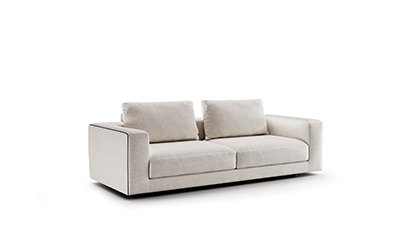
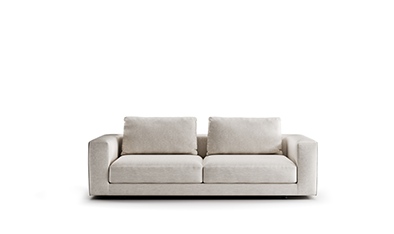
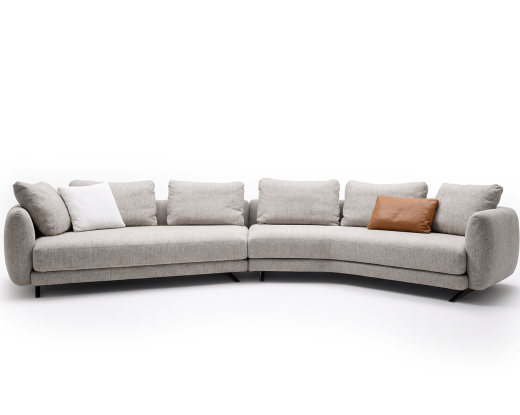
Ergonomic considerations extend beyond office furniture. Your sofa’s proportions affect posture, circulation, and energy levels. Pieces like Onyx or Amalfi demonstrate how proper seat depth and back support reduce physical strain during extended use.

Memory foam combined with natural feathers, as found in Diva or Spectra, provides both immediate comfort and long-term postural support. This isn’t luxury for luxury’s sake – it’s practical wellness design.
Air quality and material choices
Indoor air quality significantly impacts mental clarity and physical health. Low-quality synthetic materials often emit volatile organic compounds (VOCs) that cause headaches, fatigue, and respiratory irritation. OLTA’s focus on premium, low-emission materials contributes to healthier indoor environments.
Natural materials typically improve air quality rather than compromise it, absorbing excess moisture and helping regulate humidity levels naturally.
Color psychology for mental well-being
Colors affect mood more powerfully than most realize. Warm neutrals create welcoming environments that reduce anxiety and promote social connection. Cool tones work well in restful areas, while avoiding stark contrasts that can create visual stress.
Consider your daily rhythms – morning light might make that beautiful chocolate Ritz sectional feel energizing, while evening lamplight could make it feel heavy and oppressive.
Creating calm through proportion
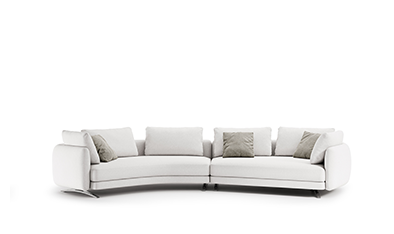
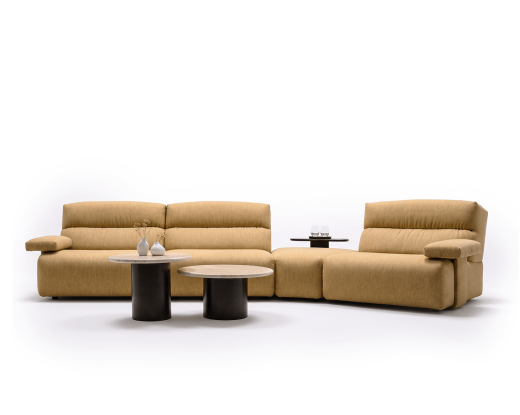
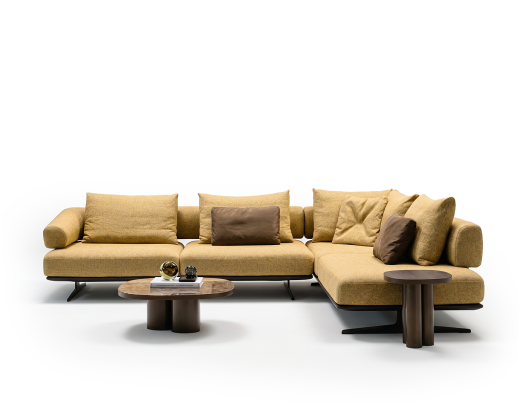
Oversized furniture in small spaces creates psychological pressure, while undersized pieces in large rooms can feel insignificant and unsettling. Modular systems like Avant or Goya allow you to achieve proper scale while maintaining flexibility for life changes.

Visual weight matters too – heavy, dark pieces need breathing room and balanced lighting to avoid feeling oppressive.
The long-term wellness investment
Quality materials not only last longer physically, but they also maintain their positive sensory properties over time. Cheap synthetics often become uncomfortable, developing rough textures or retaining odors that gradually compromise your home’s wellness quotient.
OLTA’s approach to material selection considers not just immediate comfort but how pieces will feel and function years later, supporting consistent well-being rather than providing temporary satisfaction.
Practical implementation
Start with pieces you interact with most frequently. Your primary seating should prioritize both sensory comfort and ergonomic support. From there, layer complementary textures and materials that create visual and tactile variety without overwhelming the senses.
FAQ
Q: How do natural materials actually improve mental well-being? A: Natural materials reduce stress by providing familiar, comforting textures our bodies recognize instinctively. They also typically regulate temperature better and don’t emit harmful chemicals, creating healthier environments that support better sleep and concentration.
Q: How can I tell if my furniture materials are affecting my health? A: Notice if you experience headaches, fatigue, or respiratory issues at home but not elsewhere. Strong chemical odors, especially in new furniture, often indicate high VOC emissions. Quality pieces like those in OLTA collections typically have minimal chemical odors and improve rather than compromise indoor air quality.