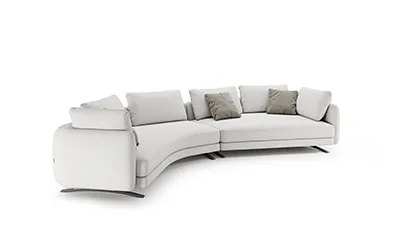
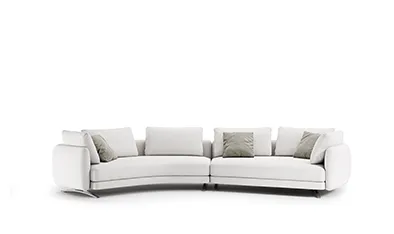
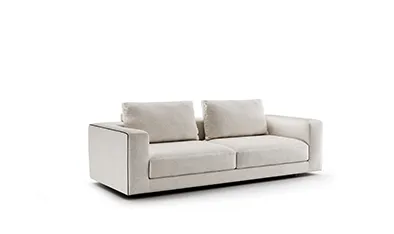
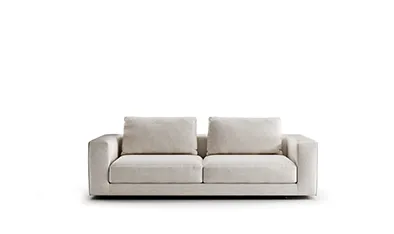
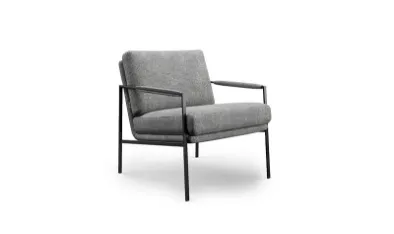
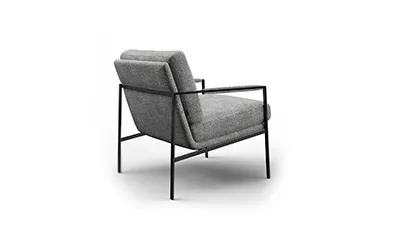
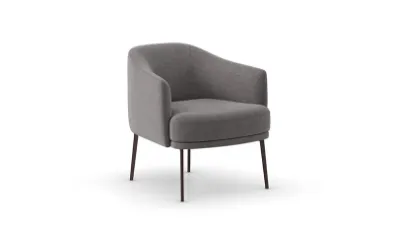
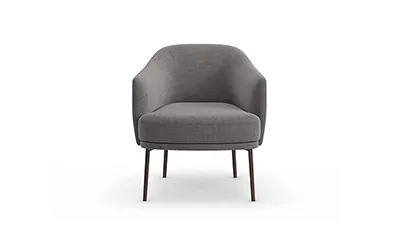
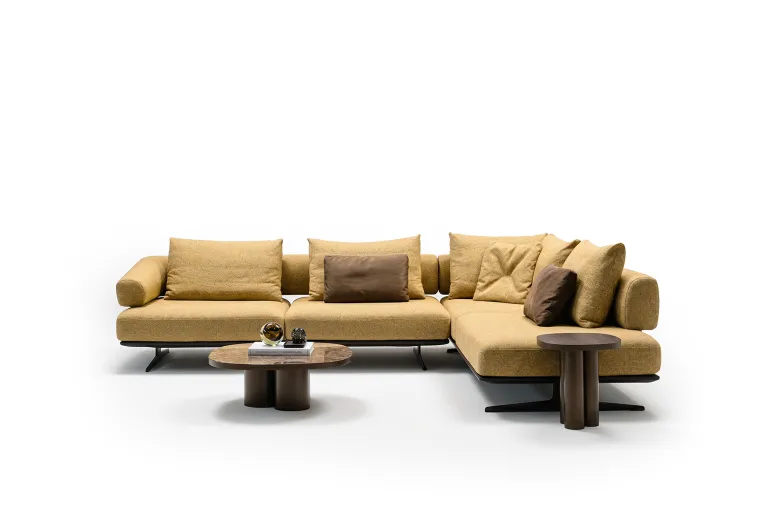
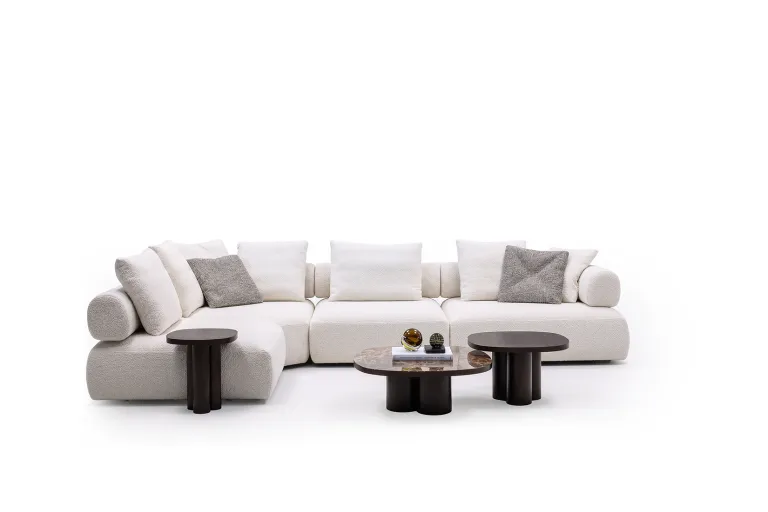
A sofa, a rug and – obviously – a coffee table in the middle. This trio has defined the living room for so long that most of us buy the table before asking whether we will actually use it. Meanwhile, designers increasingly begin with a different question: what really happens in your living room every day? Sometimes the answer confirms that a coffee table is essential. And sometimes it reveals that the most valuable thing in the middle of the room is… space.
Start with scenarios, not habits
The design philosophy behind Olta interiors is simple: furniture should follow the rhythm of daily life, not the other way around. So before you choose a table, map your real scenarios. Do you host friends around snacks and drinks? Do children need floor space for play? Do you stretch out with a book, work with a laptop on your knees, or turn the living room into a home cinema on Friday nights? Each of these situations points to a different answer – and only one of them clearly demands a classic coffee table.
If your honest list is dominated by lounging, movement and flexibility rather than serving and displaying, the center of the room may serve you better left open.
The mobile pouffe: the designer favourite
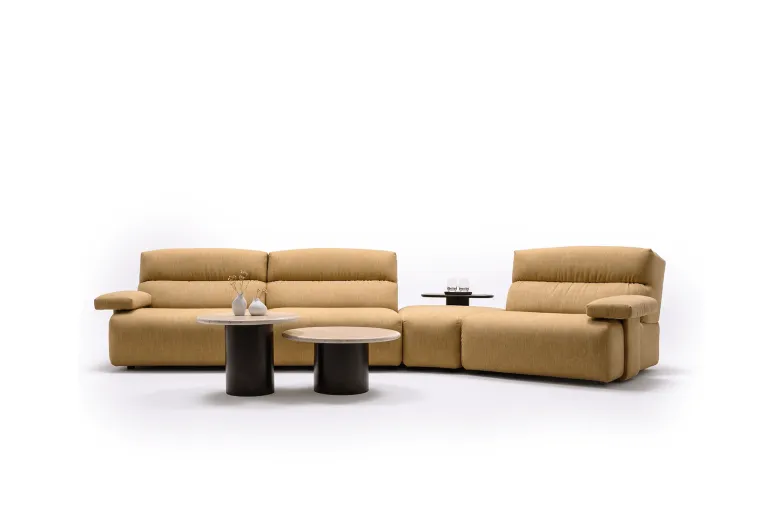
Ask an interior designer what replaces a coffee table most successfully, and the mobile pouffe will top the list. It is the most versatile piece in the modern living room: a footrest during evening relaxation, an extra seat when guests arrive, and – topped with a sturdy tray – a soft-edged table for cups and snacks. Paired with a sofa such as Olta’s FLAN, a mobile pouffe can also dock alongside the seat to create a generous island of relaxation of up to 1 x 1 metres. No fixed table offers that kind of flexibility, and no coffee table has ever doubled as a lounging zone.
The side table: function without the footprint
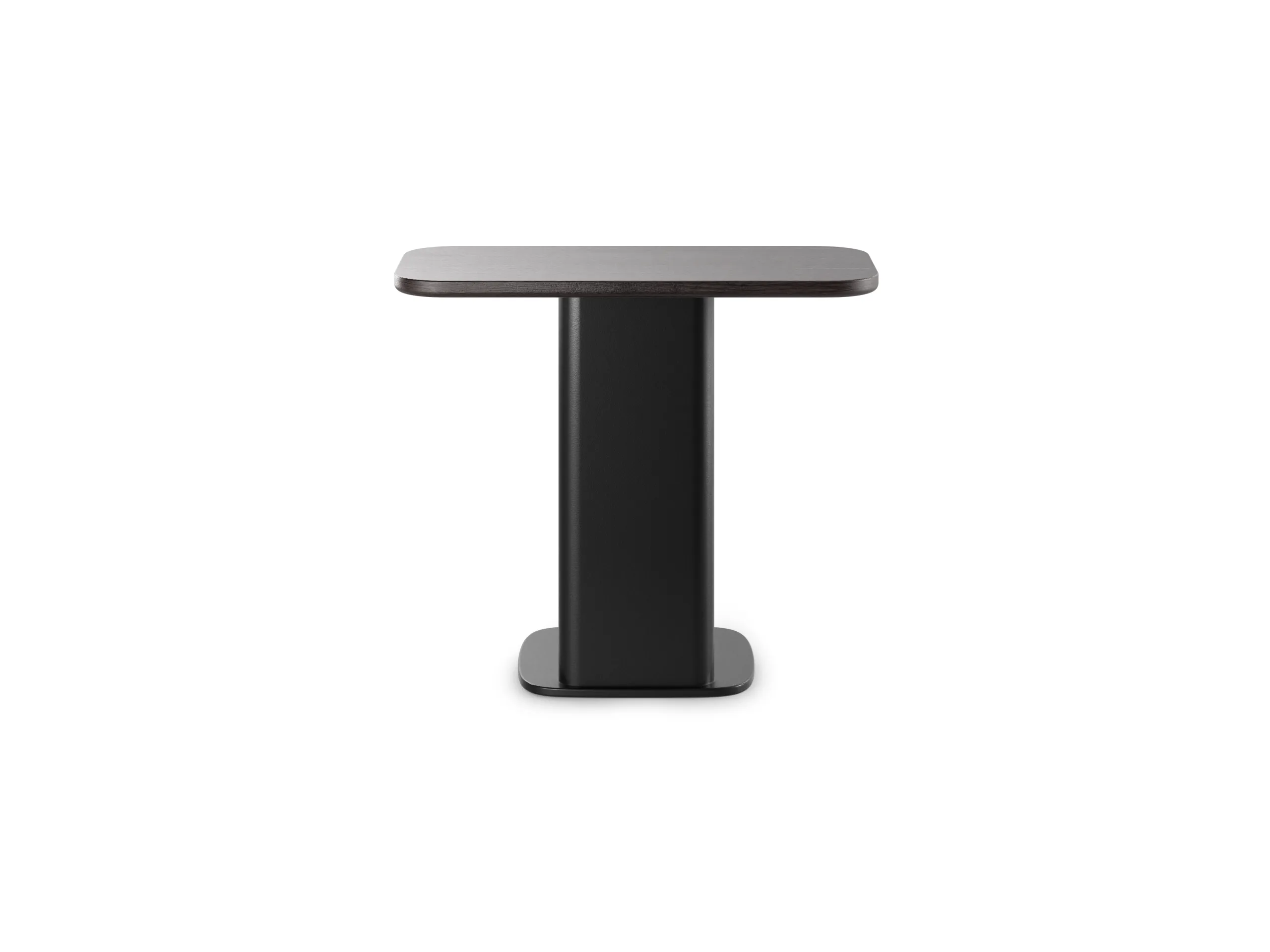
The second designer recommendation is to move the surface from the center of the room to the side of the sofa. A compact side table – like Olta’s mobile LUNGO, designed to slide right up to the seat – puts a cup, a phone or a book exactly where your hand naturally lands. It occupies a fraction of the space, keeps walkways clear and suits the way we actually use surfaces today: within arm’s reach, not a lean-forward away. In smaller apartments, this single swap can visually enlarge the room more than any styling trick.
When the coffee table still wins
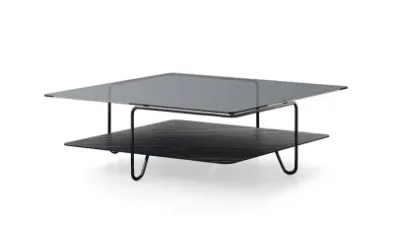
None of this means the coffee table is obsolete – it means it should be chosen deliberately. If you regularly entertain, play board games or simply love the anchoring effect of a beautiful object at the heart of the arrangement, a table remains the right call. Designers then suggest thinking beyond the single large block: two or three smaller tables of differing heights and materials – such as Olta’s wooden ALBA combined with the marble-topped SIX – create a flexible cluster that can be pulled apart when the party grows or the yoga mat comes out.
The honest answer
Do you need a coffee table? Only your scenarios can tell. The modern living room is not a showroom set but a stage for everyday life – and its best version might feature a sculptural table cluster, a hardworking pouffe, a discreet side table, or simply open floor and room to breathe. Choose what supports how you live, and the living room will finally work as hard as you do.
FAQ
What can I use instead of a coffee table? The most popular designer alternatives are a mobile pouffe, a compact side table placed by the sofa, or a pair of smaller occasional tables that can be moved as needed. Each option keeps surfaces within reach while freeing the center of the room.
Is a pouffe practical as a coffee table replacement? Very much so. A mobile pouffe works as a footrest, extra seating and – with a stable tray on top – a surface for drinks and snacks. Docked next to a sofa like Olta’s FLAN, it can also extend the seat into a spacious lounging island.
Are side tables a good solution for small living rooms? Yes, often the best one. A mobile side table such as Olta’s LUNGO slides directly to the sofa, so it serves the exact spot where you sit while taking up minimal floor space. Clear central floor area makes a compact room feel noticeably larger.
When is a classic coffee table the better choice? When your daily scenarios involve hosting, serving food and drinks, board games or a strong need for a visual anchor in the seating arrangement. In those cases a table – or a cluster of two or three, like ALBA and SIX – genuinely earns its place.
How do I decide what my living room actually needs? List the situations that repeat in your week: relaxing, hosting, working, children playing. Then choose the solution that supports the most frequent ones. If flexibility dominates, go for a pouffe or side table; if gathering dominates, invest in a well-chosen coffee table.
Walk into a beautifully furnished living room, and something can still feel slightly off – the sofa looks good, the coffee table is right, yet the whole arrangement seems to drift instead of settling. Nine times out of ten, the culprit is underfoot. A rug that is too small does not just look modest; it visually severs the seating group from the rest of the room, leaving each piece of furniture looking like it landed there accidentally rather than by design.
What “floating” actually looks like
A floating rug is one that only the coffee table sits on, while the front legs of the sofa and armchairs hover just outside its edges. From above, it reads as a small island stranded in a sea of bare floor, with furniture scattered loosely around it rather than gathered by it. The effect is subtle but consistent: rooms with floating rugs tend to feel smaller, choppier, and less considered than they actually are, no matter how good the furniture itself might be.
The rule designers actually use
The most reliable fix is simple to state, if not always simple to shop for: at least the front legs of every major seating piece should rest on the rug. This single rule does more to visually unify a living room than any other styling decision. It applies whether you are working with a single sofa and two armchairs or a modular, corner arrangement – the rug’s job is to draw an outline around the entire conversation area, not just the empty middle of it.
There are three common approaches, and the right one depends on the room. All-in works best in generously sized living rooms, with every leg of every seating piece resting on the rug and the coffee table floating within it. Front-legs-only suits mid-sized rooms and tighter budgets, keeping the group anchored without covering the whole floor. All-off, where the rug sits entirely in front of the seating with nothing touching it, is the one configuration worth avoiding – it is the exact floating effect this article is about.
Sizing for a modular or corner sofa
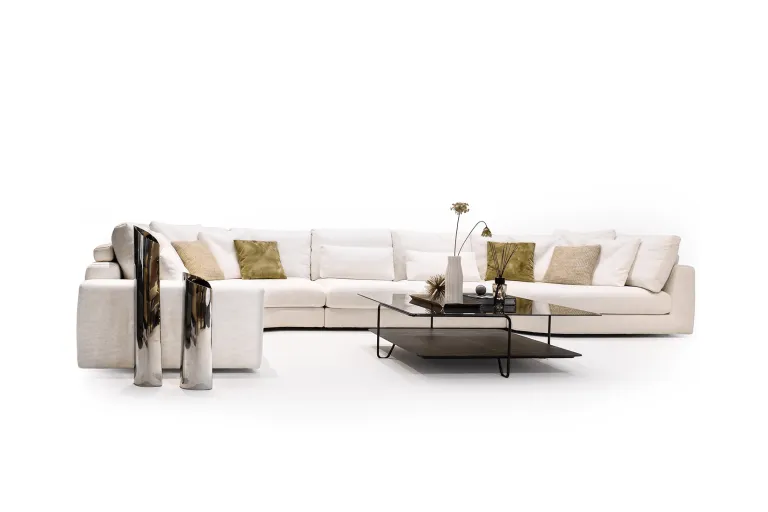
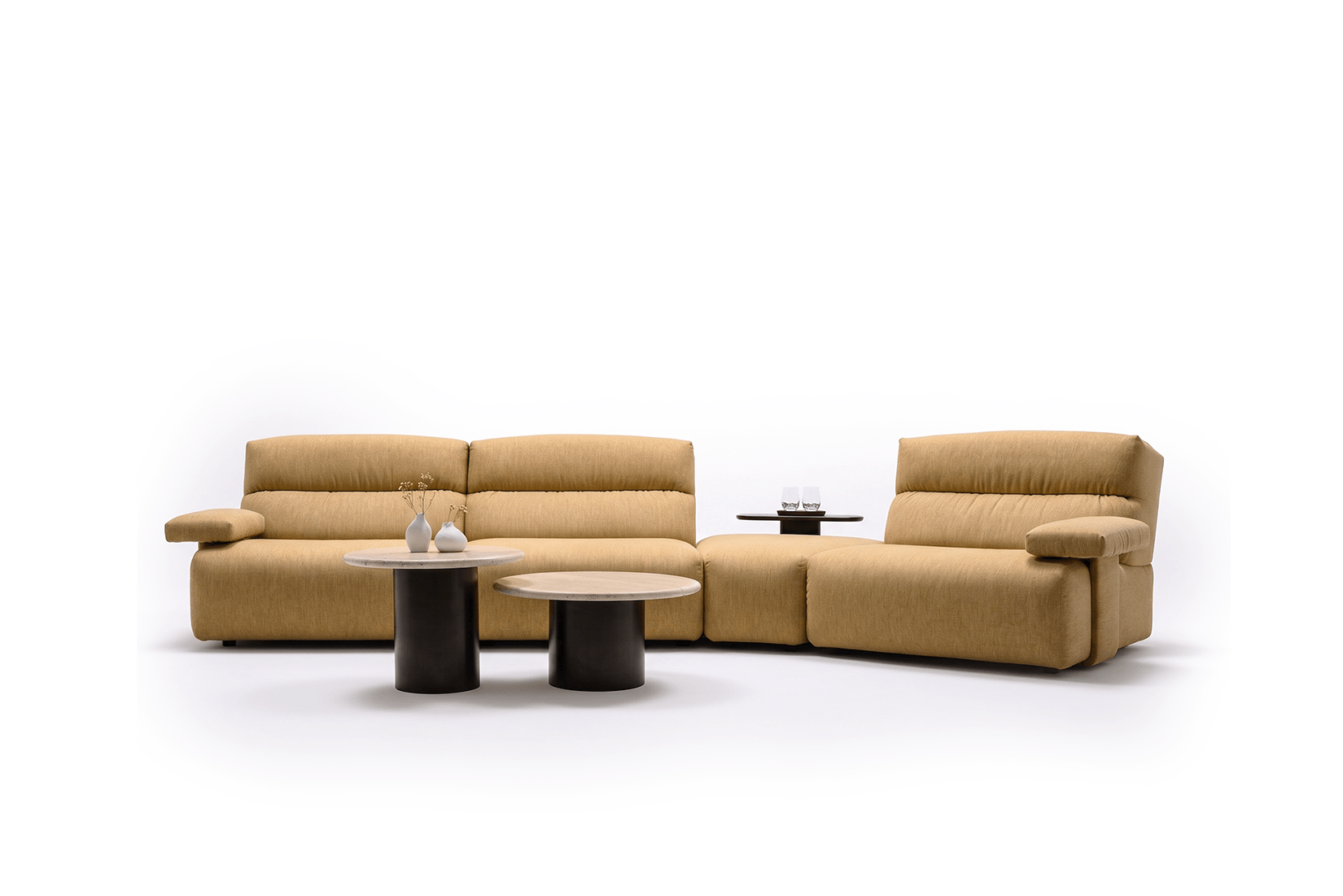
Modular and corner sofas add complexity, since their footprint changes shape depending on configuration. The safest approach is to measure the arrangement you use most often, not the largest theoretical layout, and choose a rug that extends 15 to 20 centimeters beyond the front edge of the seating on the open side. For a design like FLAN, whose modules can be rearranged into a corner sofa, two facing sofas, or single armchairs, size the rug for your default, everyday configuration – one sized for an occasional party layout will look oversized the rest of the time.
Legs, visibility, and the rug underneath
How a rug reads also depends on the sofa’s leg height. Sofas with very low legs sit close to the rug’s surface, so fabric and floor blend almost seamlessly, and a rug extending slightly under the sofa reads as one continuous plane. Sofas raised on taller, more visible legs expose more negative space, which means the rug’s pattern and color are more visible underneath and deserve a little more thought.
A quick way to check your own room
Before buying, try this: mark the intended rug’s corners on the floor with painter’s tape and stand back from the doorway. If any major piece of seating sits entirely outside the taped outline, the rug is too small for that layout. It is a five-minute test that saves the far more common mistake of ordering a rug based on the size of the coffee table alone, which is how most floating rugs end up in living rooms in the first place.
Anchored, not accidental
A living room does not need a bigger rug to feel bigger – it needs the right-sized one, correctly connected to the furniture sitting on it. Once the front legs land where they should, the whole seating arrangement stops looking scattered and starts reading as one deliberate composition, exactly as it was meant to.
FAQ
How much of the sofa should sit on the rug? At minimum, the front legs of the sofa and any accompanying armchairs should rest on the rug. In larger rooms, all legs on the rug create the most cohesive look; in smaller rooms, front-legs-only still anchors the seating group effectively.
What is the most common rug sizing mistake? Choosing a rug based only on the coffee table, so it ends up floating in the middle of the room with the sofa and chairs sitting entirely outside its edges. This visually disconnects the seating group instead of unifying it.
How do I size a rug for a modular or corner sofa? Measure your everyday configuration, not the largest possible layout, and choose a rug that extends 15 to 20 centimeters beyond the front edge of the seating on the open side. Sizing for a rare, expanded arrangement usually leaves the rug looking oversized the rest of the time.
Does the sofa’s leg height affect which rug looks best? Yes. Sofas with very low legs sit close to the rug, so the two surfaces read almost as one plane. Sofas on taller, more visible legs expose more of the rug underneath, which makes the rug’s pattern and color more noticeable in the finished room.
Is there a quick way to check if a rug will be the right size? Mark the rug’s planned dimensions on the floor with painter’s tape and view the room from the doorway. If any major seating piece falls entirely outside the taped area, size up before ordering.
A floor lamp is one of the easiest ways to transform a living room, yet it is also one of the most commonly misplaced pieces in the house. Pushed into a random empty corner, it ends up lighting a wall nobody looks at, while the sofa where you actually spend your evenings stays dim. The right spot for a floor lamp is not decided by which corner is free. It is decided by what happens on the sofa.
Start with what you actually do there
Before choosing a spot, think about your evening scenario. Do you read after dinner? Scroll through a laptop? Talk with a partner or watch a film? Each of these activities asks for light in a slightly different place, which is why the smartest starting point is not the room but the habit. As the creative director of Olta puts it, comfort is about first asking what we actually want to do in the living room – and light should follow that same logic.
Behind the armrest: the classic reading spot
If reading is part of your evening, the floor lamp belongs just behind and slightly to the side of the armrest, roughly at shoulder height when seated. This position lets light fall over your shoulder onto the page or screen without casting your own shadow across it and without shining directly into your eyes. It is also worth planning a small surface nearby – a side table for a cup and the lamp itself keeps everything you need within arm’s reach, instead of getting up mid-chapter.
Beside the sofa’s open end: filling the light gap
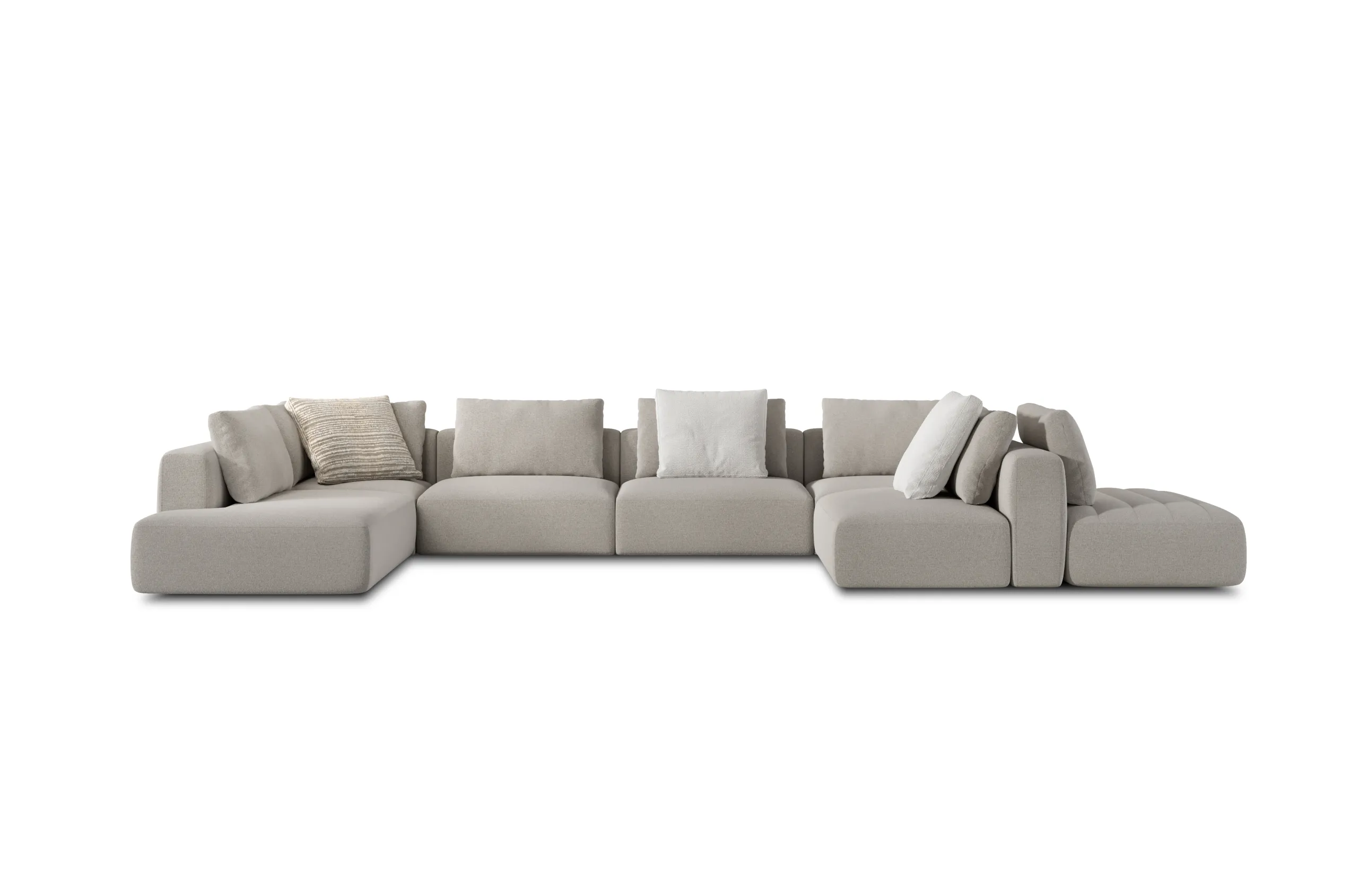
Every seating arrangement has at least one end that the ceiling light does not reach well – often the side of the sofa furthest from the window or the main fixture. A floor lamp placed there closes that gap and balances the room so one side does not feel noticeably darker than the other once daylight fades. This spot works particularly well next to a corner sofa or a modular arrangement like Reverso, where the extended footprint can otherwise leave one end underlit.
In the empty corner: only if it earns its place
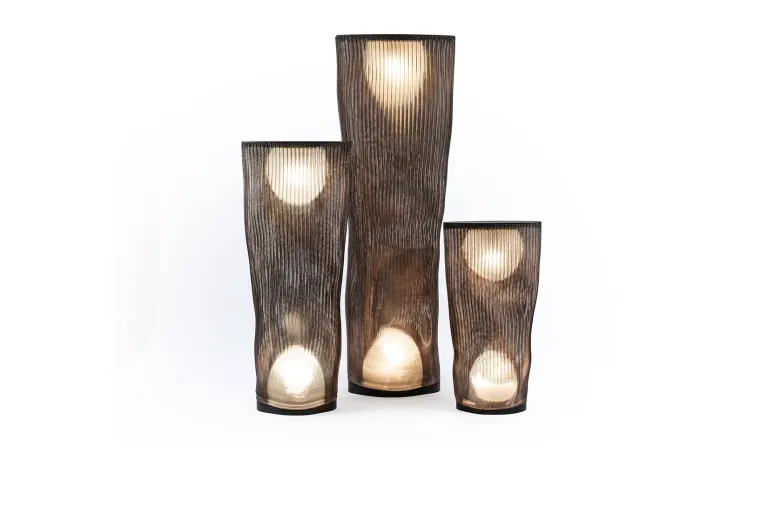
The instinct to fill an empty corner with a lamp is understandable, but it only works if that corner is actually seen from where people sit. A lamp glowing in a corner nobody looks at adds atmosphere to the room but does nothing for someone trying to read at 9 p.m. Treat a corner lamp as a genuine third layer of light, ambient and mood-setting, rather than the sofa’s only source.
Near a mobile pouffe: light that moves with you
If your living room includes a mobile pouffe rather than a fixed chaise longue, place the lamp within reach of wherever the pouffe most often ends up – docked to the sofa or pulled aside as extra seating – since it changes position more often than any other piece.
The height and shade matter as much as the position
Once the spot is right, the lamp itself should not undo the work. A shade that is too low interrupts sightlines across the room and shortens the sense of space; one that sits too high sends light onto the ceiling instead of the reading surface. A warm-toned, dimmable bulb makes the biggest practical difference, letting the same lamp shift from focused task light in the evening to a soft glow once the reading is done and the film has started.
The real test: sit down first
No floor plan replaces sitting on the actual sofa, in the actual room, at the actual time you would use the light. Bring the lamp to a few candidate spots before committing, switch on your usual evening lighting, and notice where the light lands – and where it doesn’t. The right position is not the one that looks balanced from the doorway. It is the one that makes the sofa the best seat in the house after dark.
FAQ
Where exactly should a floor lamp sit next to a reading sofa? Just behind and slightly to the side of the armrest, at roughly shoulder height when seated. This lets light fall over your shoulder onto the page without glare or shadow, and pairs well with a small side table for a cup.
Should a floor lamp go in an empty corner of the living room? Only if that corner is visible from the sofa. A corner lamp works well as ambient, mood-setting light, but it should not be the sofa’s only light source if the corner sits outside your normal line of sight while seated.
How do I light a corner sofa or a long modular arrangement? Place the lamp near whichever end of the sofa receives the least light from windows or ceiling fixtures. Extended layouts, like a corner sofa or a Reverso-style modular set, often have one underlit end that a single floor lamp can balance out.
What if my living room uses a mobile pouffe instead of a chaise longue? Position the lamp near the spot where the pouffe most often ends up, whether docked next to the sofa or used as extra seating. Since the pouffe moves more than fixed furniture, the lamp should serve its most frequent position.
Does the height of a floor lamp matter for a living room? Yes. A shade set too low blocks sightlines and makes the room feel smaller, while one set too high throws light onto the ceiling instead of onto the sofa. A warm, dimmable bulb also lets the same lamp adapt from focused reading light to a softer evening glow.