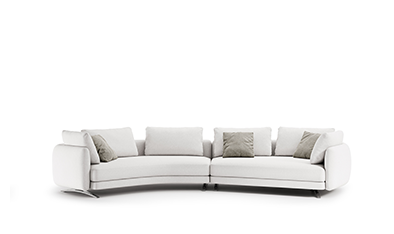
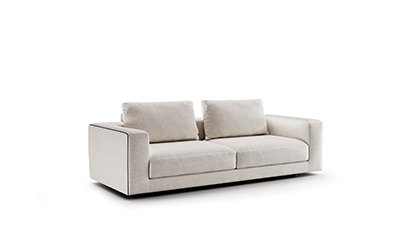
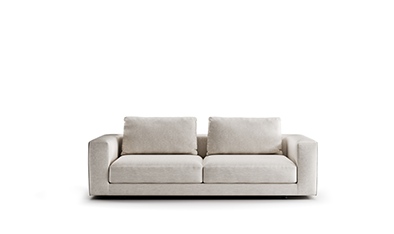
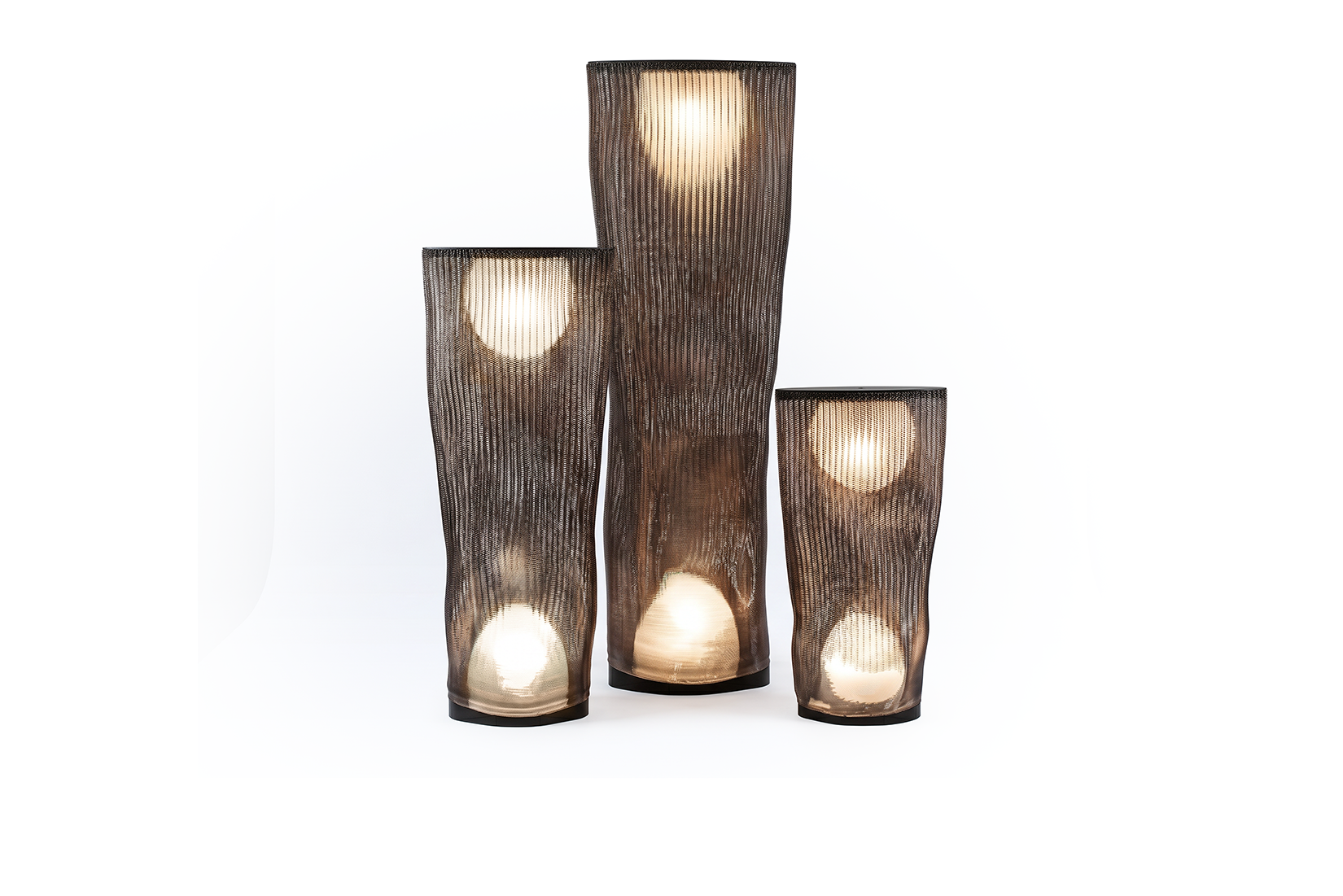
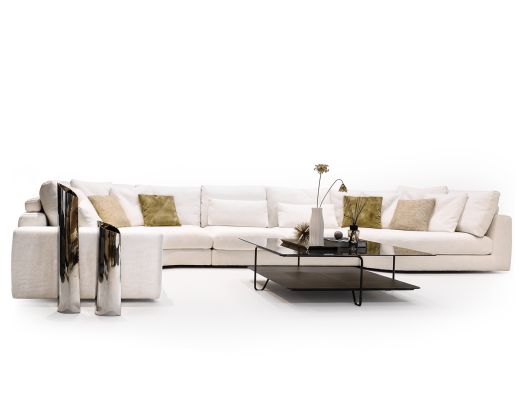
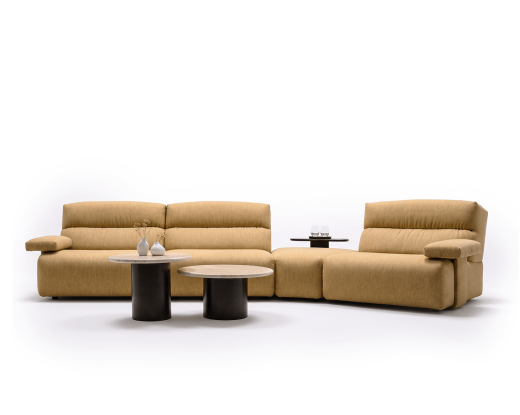
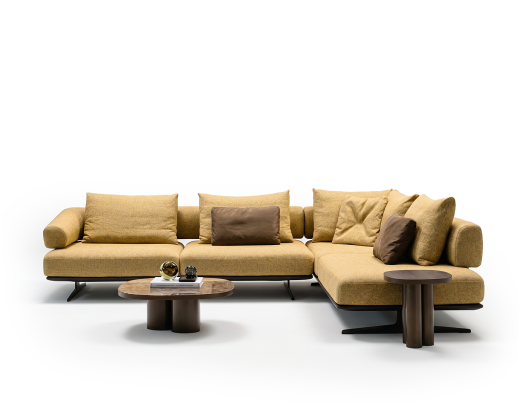
A beautifully designed living room engages more than just the eyes – it invites touch. Layering textures across your furniture creates depth, warmth, and visual interest that flat, single-material spaces simply cannot achieve. Here’s how to master the art of textural balance.
Start with your foundation
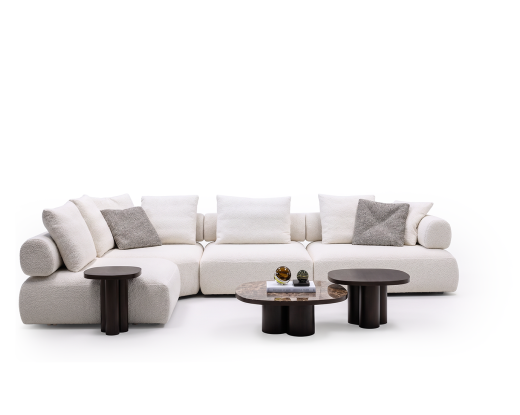
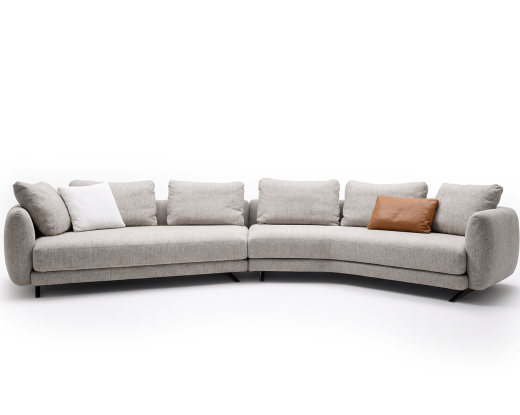
Your sofa sets the textural tone. Linen offers breathable, relaxed elegance with a subtle natural grain. Velvet brings drama and softness, catching light beautifully. Bouclé – with its looped, nubby surface – adds contemporary warmth without formality. Choose based on your lifestyle: linen for airy minimalism, velvet for luxurious depth, bouclé for tactile cosiness.
Build contrast through seating
Once your sofa establishes the base, introduce complementary textures through armchairs and poufs. A velvet sofa pairs beautifully with a bouclé armchair – the Coco, Grey, or Lenox collections deliver this perfectly. Linen foundations welcome leather accents: consider a Grey armchair or UNO pouf in rich cognac or deep black to anchor the arrangement.

The rule of three
Aim for three distinct textures within view. More creates chaos; fewer feels flat. A bouclé sofa, leather pouf, and linen accent cushions strike ideal balance – varied enough to intrigue, cohesive enough to calm.
Don’t forget temperature
Textures carry psychological warmth. Velvet and bouclé feel cosy, perfect for cooler climates. Linen and leather read cooler, suiting warmer environments or summer styling. Adjust your mix seasonally for spaces that feel intuitively right year-round.
FAQ
Can I mix velvet and leather in the same space?
Absolutely. These textures complement beautifully – velvet’s softness balances leather’s sleekness. A velvet-upholstered Goya sofa alongside a leather Ray armchair creates sophisticated contrast without conflict.
Is bouclé practical for everyday use?
Yes, when chosen carefully. Tightly looped bouclé resists pilling better than loose weaves. Avoid if you have pets with sharp claws, as loops can snag. For high-traffic homes, bouclé works best on accent pieces rather than primary seating.
How do I unify different textures visually?
Stick to a cohesive colour palette. Three textures in tonal creams feel harmonious; three textures in clashing colours feel chaotic. Let texture provide variety while colour maintains calm.