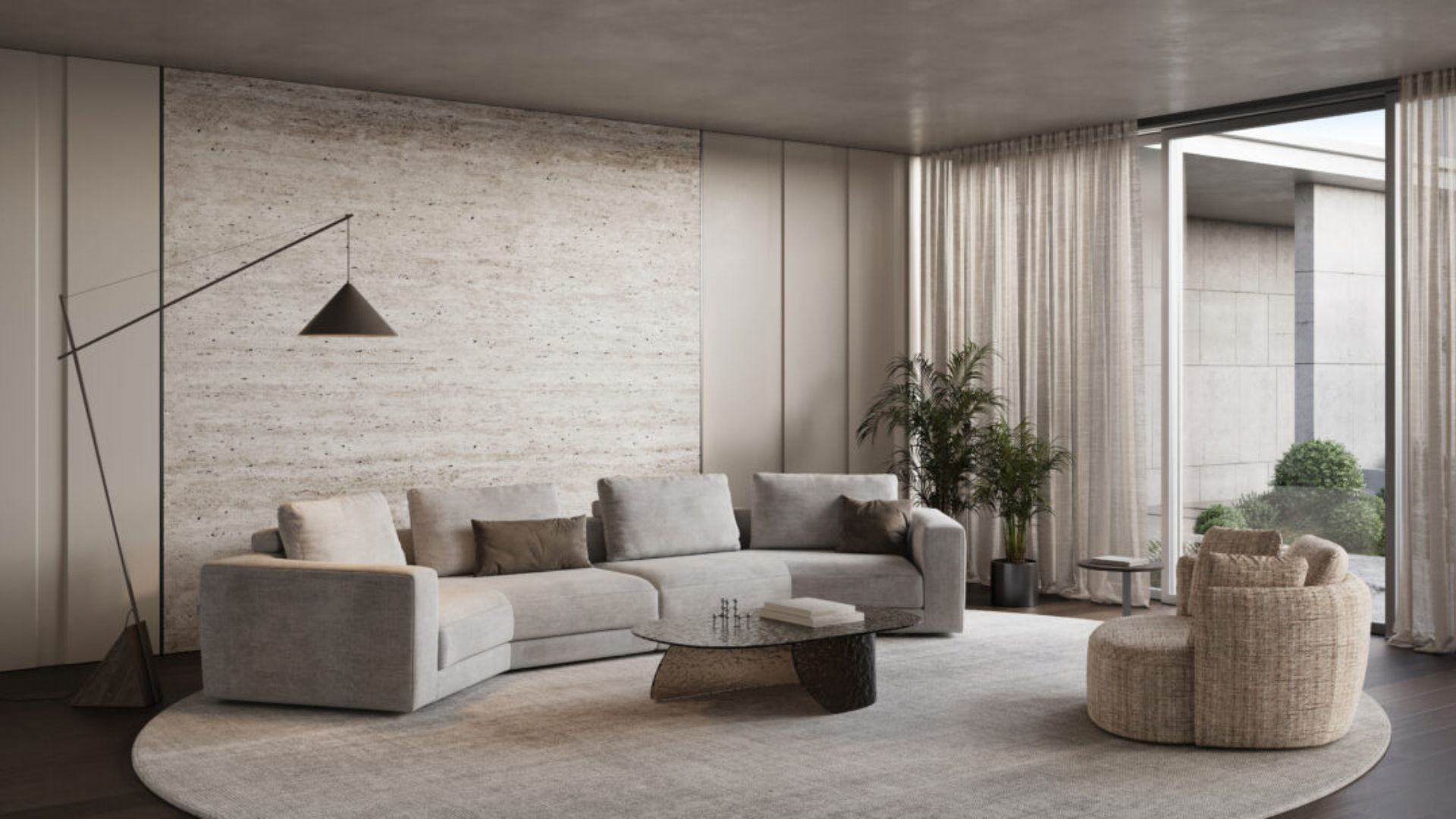

Sitting is one of the most repeated postures in daily life, yet its impact on physical and mental well-being is often underestimated. Contemporary ergonomics shows that comfort is not a matter of softness alone. It results from a precise relationship between body posture, seat geometry, and the internal structure of a sofa. OLTA approaches seating as a science grounded in European craftsmanship and a deep understanding of how the body rests, shifts, and recovers.
Ergonomics begins with proportions
A well-designed sofa supports the spine in a neutral position, distributes pressure evenly, and allows natural movement. This is achieved through carefully balanced seat depths, backrest angles, and armrest heights—all measured and engineered in centimetres to ensure consistency and repeatability.
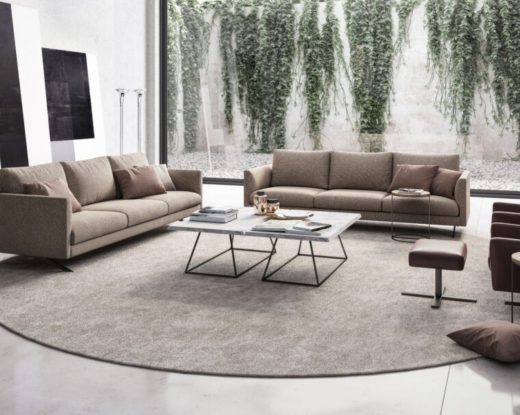
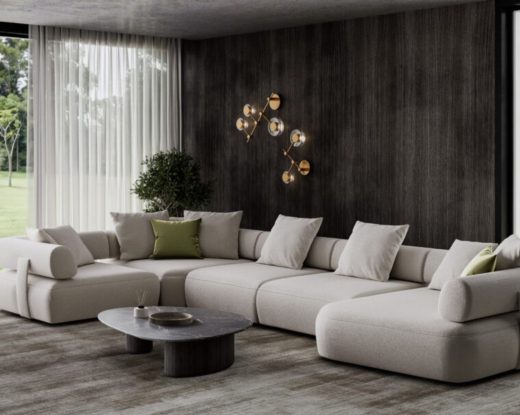
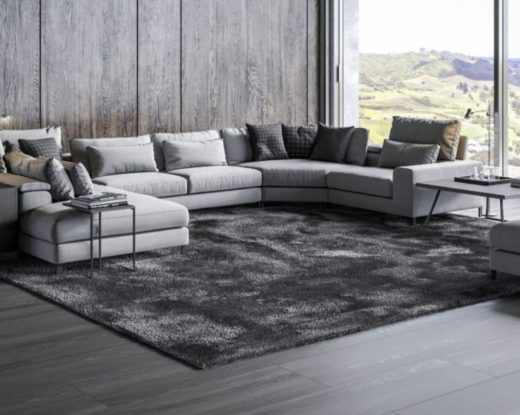
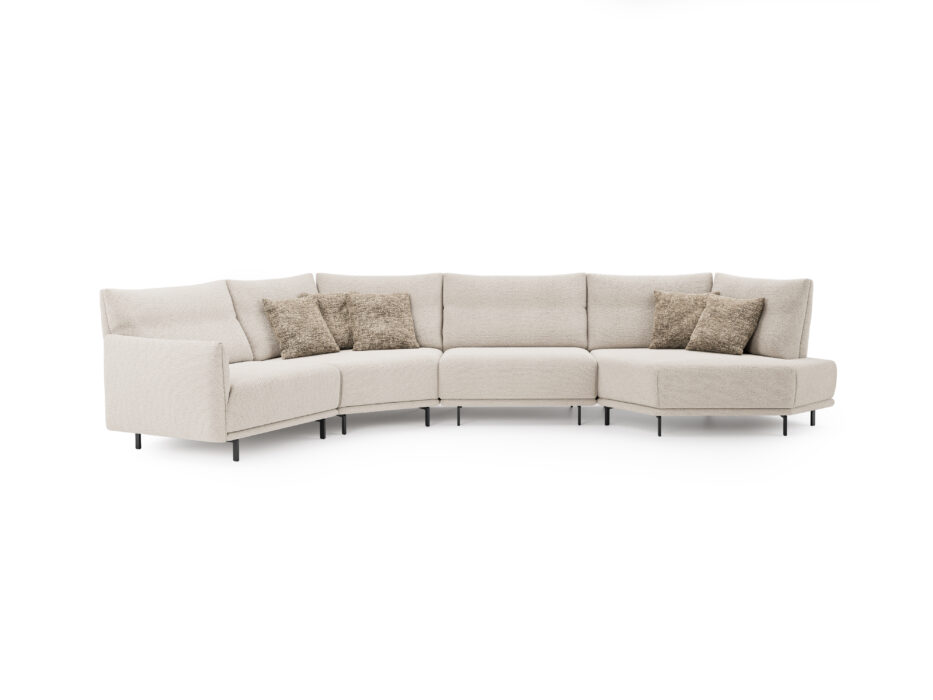
Modular systems such as Willow and Anaga illustrate this approach clearly. Their layouts are conceived to adapt to different room sizes while maintaining stable seating proportions, ensuring that posture remains supported regardless of configuration. Rather than forcing the body to adapt, the design works with it.

The role of foam: resilience over time
Foam is the structural core of most contemporary seating, but its quality varies significantly. High-resilience foams are designed to respond to body weight gradually and recover their shape after use. This behaviour reduces pressure points in the hips and thighs and supports longer, more comfortable sitting sessions.
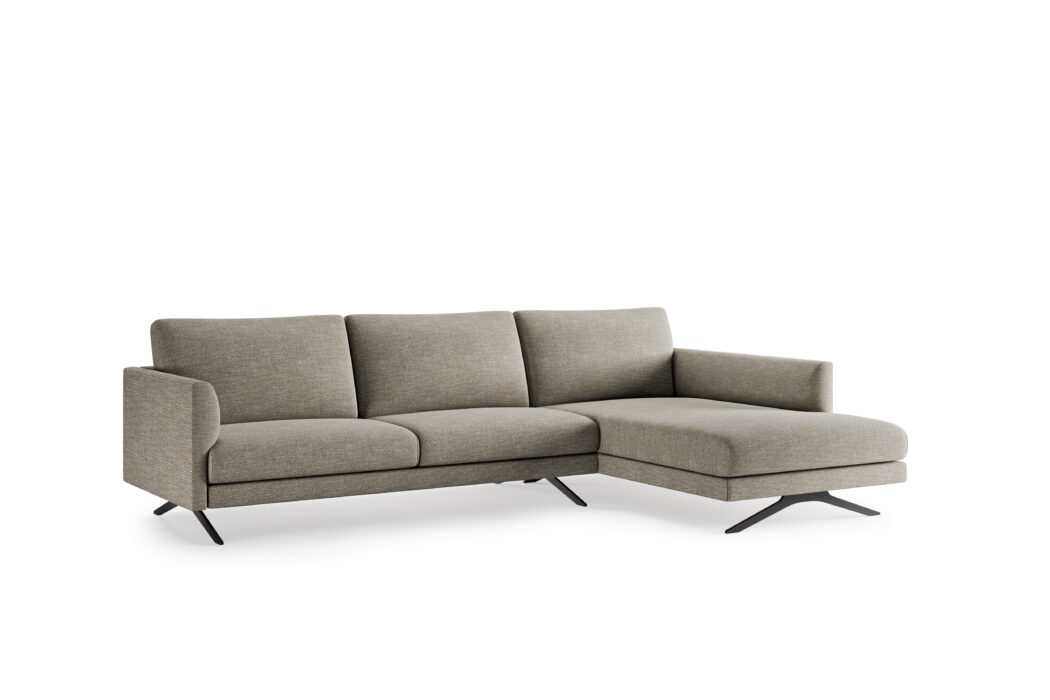
Take Maxwell, for example—its clean lines are supported by a structured seat construction that prioritises stability and controlled softness. The result is seating that feels supportive rather than yielding, an important factor for users who spend extended periods sitting, reading, or socialising.

Feather fillings and adaptive comfort
Where used, feather or feather-blend fillings contribute a different dimension of comfort. They offer surface adaptability, responding instantly to micro-movements of the body. This quality is particularly valued in back cushions, where subtle posture changes occur throughout the day.
Sofas such as Diva or Calypso are designed to accommodate this softer, more relaxed seating experience through cushion architecture that encourages gentle sink-in comfort without compromising overall support. The key lies not in excess softness, but in controlled layering.
Movement, variation, and well-being
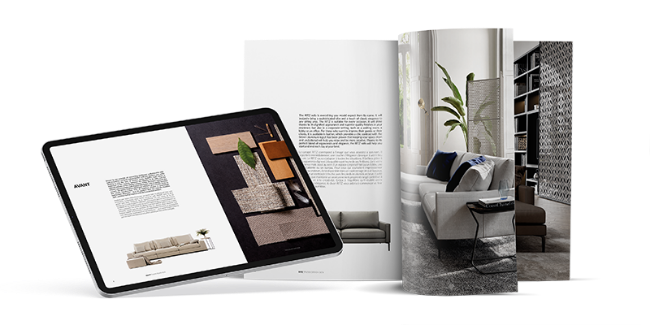
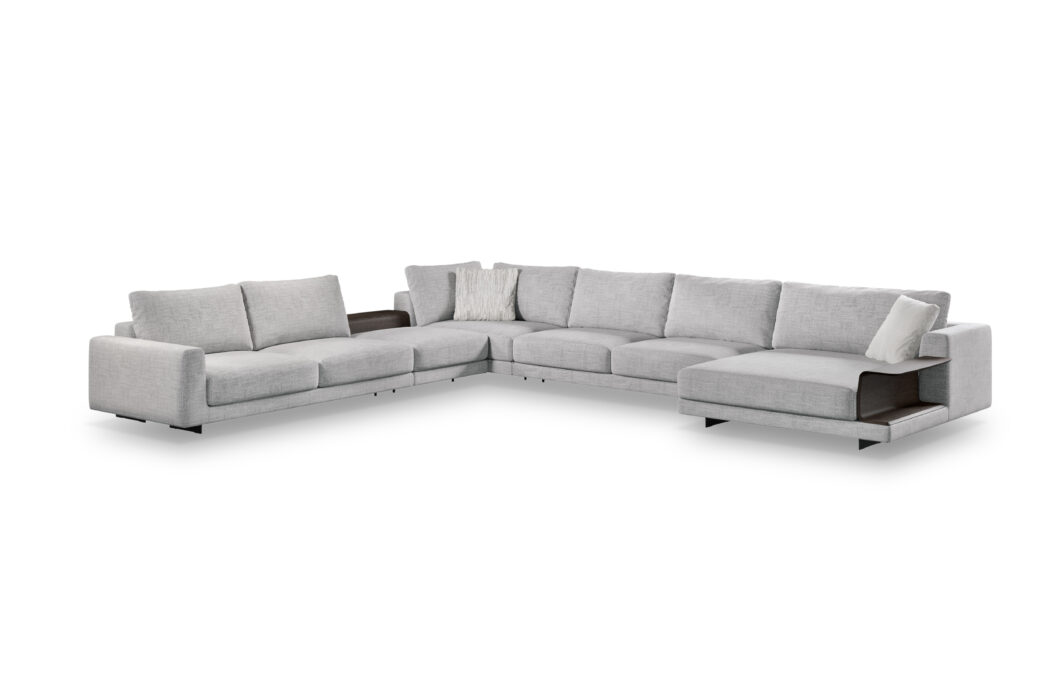
Ergonomic research emphasises the importance of small, frequent posture changes. Deep seats, flexible cushion compositions, and modular layouts all encourage this natural movement. Horizon A’s balanced proportions or Avant’s composed geometry demonstrate how thoughtful design can promote varied sitting positions—upright, reclined, or sideways—without strain.

Practical considerations when choosing a sofa
When evaluating seating for well-being, consider the following:
- Seat depth in relation to user height (measured in cm)
- Cushion structure and expected resilience over time
- Intended use: formal sitting versus relaxed lounging
- Possibility of reconfiguration without compromising ergonomics
A sofa is not a static object; it is a daily interface between the body and the home.
FAQ
Does a softer sofa always mean better ergonomics?
No. Excessive softness can reduce support and increase muscle fatigue. Ergonomic comfort depends on balanced resistance and pressure distribution.
Are feather fillings better than foam?
They serve different purposes. Foam provides structural support, while feathers add surface adaptability. The best results come from thoughtful combinations where appropriate.
How do I choose the right seat depth?
Your feet should rest comfortably on the floor while your back is supported. Seat depth should allow contact with the backrest without pressure behind the knees.
Does modularity affect comfort?
Not if designed correctly. Well-engineered modular systems maintain consistent seating geometry across configurations.
How long should quality fillings retain their properties?
High-quality foams and responsibly selected natural fillings are designed to perform consistently for many years under normal residential use.