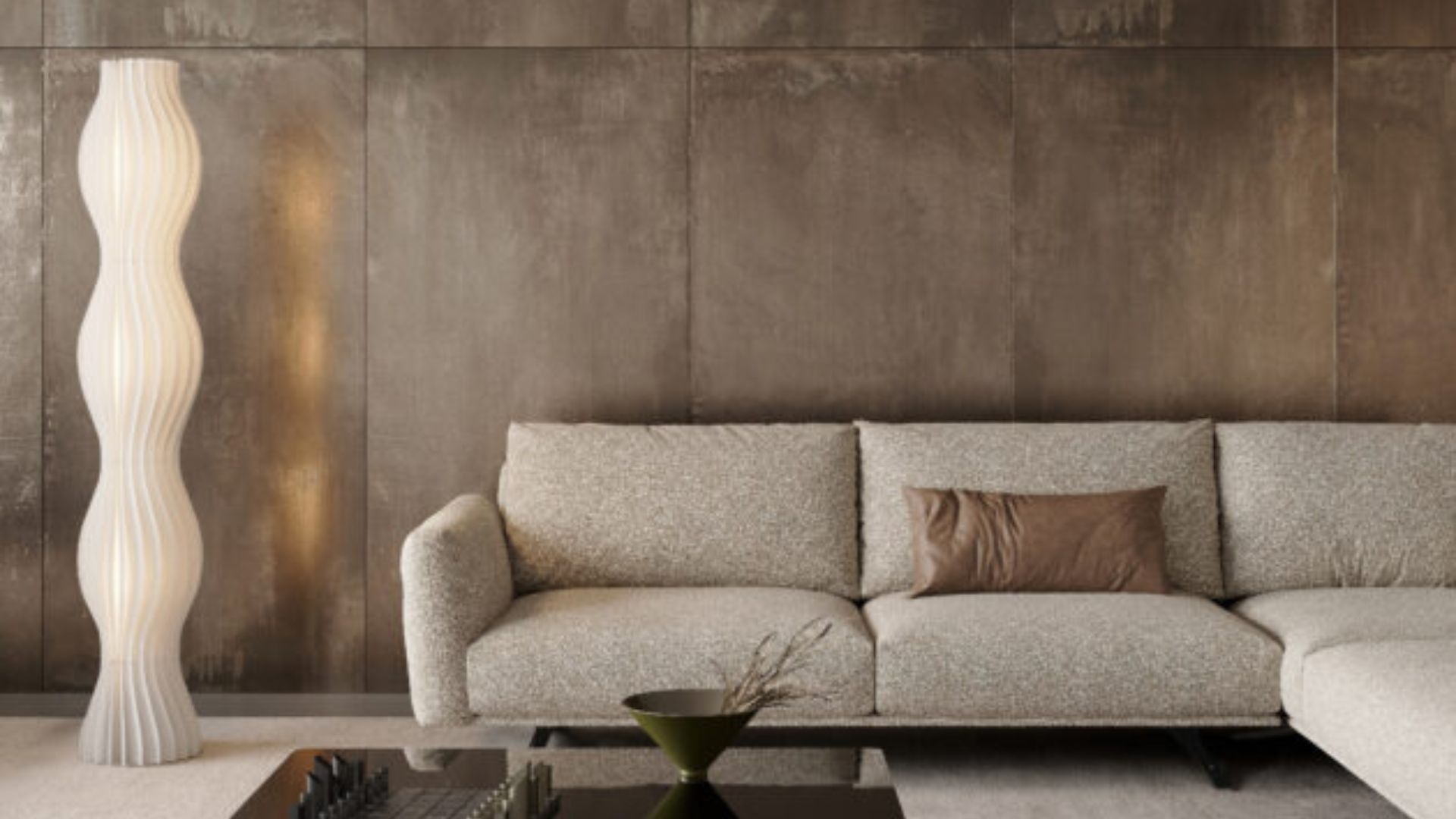

Living in a compact space doesn’t mean compromising on comfort or style. Smaller living rooms often become the most intimate and inviting spaces when thoughtfully designed. The secret lies in choosing furniture that works harder, adapts smarter, and maintains elegance despite spatial constraints.
The modular advantage in compact spaces
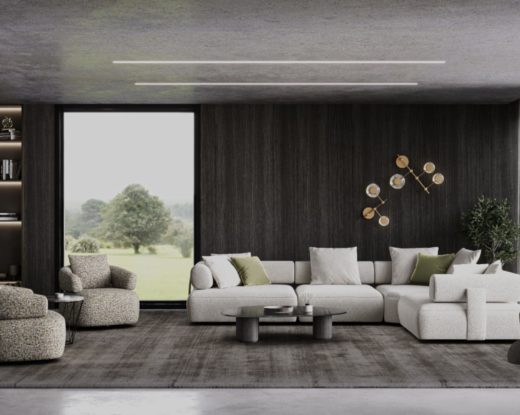
Traditional sofas can dominate small living rooms, leaving little room for movement. This is where modular systems reveal their genius. The Goya collection demonstrates how individual modules function as complete seating solutions while maintaining flexibility to expand or reconfigure. Each piece stands alone beautifully, yet connects seamlessly when you need more seating.

Oxygen‘s innovative metal frame construction allows for slimmer profiles without compromising structural integrity. The collection’s clean lines and contemporary aesthetic maintain visual lightness, preventing that overwhelming feeling oversized furniture creates in tight quarters.

Strategic configuration for maximum impact
The beauty of modular design lies not in having many pieces, but in having the right pieces that transform based on your needs:
Daily living: Arrange modules in an L-shape against walls to maximize floor space. Reverso‘s reversible design truly stands out, offering different looks and levels of comfort simply by flipping the cushions.
Entertainment: Pull modules apart to create individual seats. The Stone series works wonderfully, with each module substantial enough to stand alone.
Work-from-home: Position a upholstered armchair as an office chair alternative. The ergonomic support in Lenox Chair carefully crafted proportions makes extended sitting comfortable.

Vertical thinking and visual tricks
Small spaces benefit from thinking beyond floor plans:
- Low-profile designs that don’t block sightlines
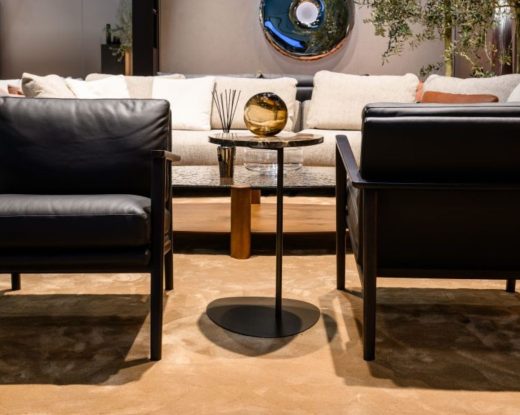
- Raised legs creating an airy feel – Hudson’s sleek base exemplifies this perfectly
- Consistent color palettes making spaces feel larger
- Dual-purpose modules that serve as storage or side tables
The versatility in Spectra’s design allows certain modules to function as both seating and surface space. Add a tray on top of a firm cushion module, and you have a coffee table that transforms back into seating when needed.
Quality that defies constraints
Small living rooms see intensive use – they’re often bedroom, office, and entertainment center rolled into one. This demands furniture built to withstand constant reconfiguration. OLTA’s signature combination of memory foam and feathers ensures consistent comfort whether modules are used separately or together.
Taking inspiration from Horizon robust construction, quality modular systems maintain their shape despite frequent rearrangement. Premium fabrics resist wear at connection points, while reinforced frames prevent loosening over time.
Smart color and fabric choices
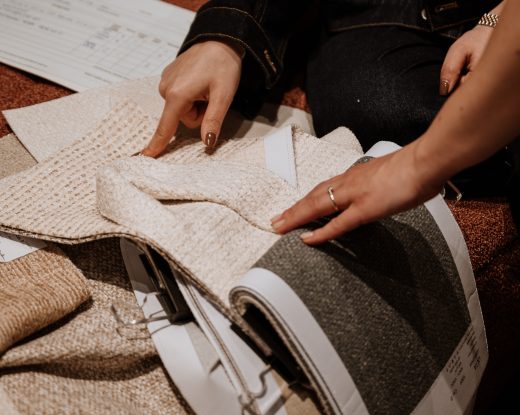
In compact rooms, fabric selection becomes critical. Light neutrals generally expand visual space, but don’t dismiss deeper colors entirely. The sophisticated palette available for Samoa shows how rich chocolate or forest green creates depth without overwhelming.
Consider performance fabrics that resist stains – essential when furniture serves multiple purposes. Textured neutrals add visual interest without busy patterns, while consistent fabric across modules ensures cohesion.
Creating zones without walls
Modular systems excel at defining areas within open-plan spaces. Reverso substantial presence can effectively separate living from dining areas. Position modules back-to-back to create distinct zones while maintaining flow.
The adaptability in Olta furniture design means you can adjust these zones seasonally – open and airy for summer, cozier configurations for winter. This flexibility lets your small space evolve with your lifestyle.
FAQ
Q: How many modules do I need for a small living room?
A: Start with 2-3 modules that work independently or together. Olta offers modules that each provide complete seating comfort, so you can begin modestly and add pieces as needed.
Q: Can modular furniture really save space compared to traditional sofas?
A: Absolutely. Olta’s modular approach means you’re not locked into one configuration. Modules can spread out for parties, consolidate for movie nights, or separate for multiple work stations – versatility a fixed sofa can’t match.
Q: What about coffee tables with modular seating?
A: Consider the Orio collection’s minimal tables designed to complement modular arrangements. Alternatively, use ottoman modules from your seating system as makeshift tables.
Q: How do I maintain style cohesion when modules are separated?
A: Choose systems with strong individual character. Stone’s refined design ensures each module looks intentional when standing alone. Consistent fabric and complementary accent pieces help maintain visual unity.