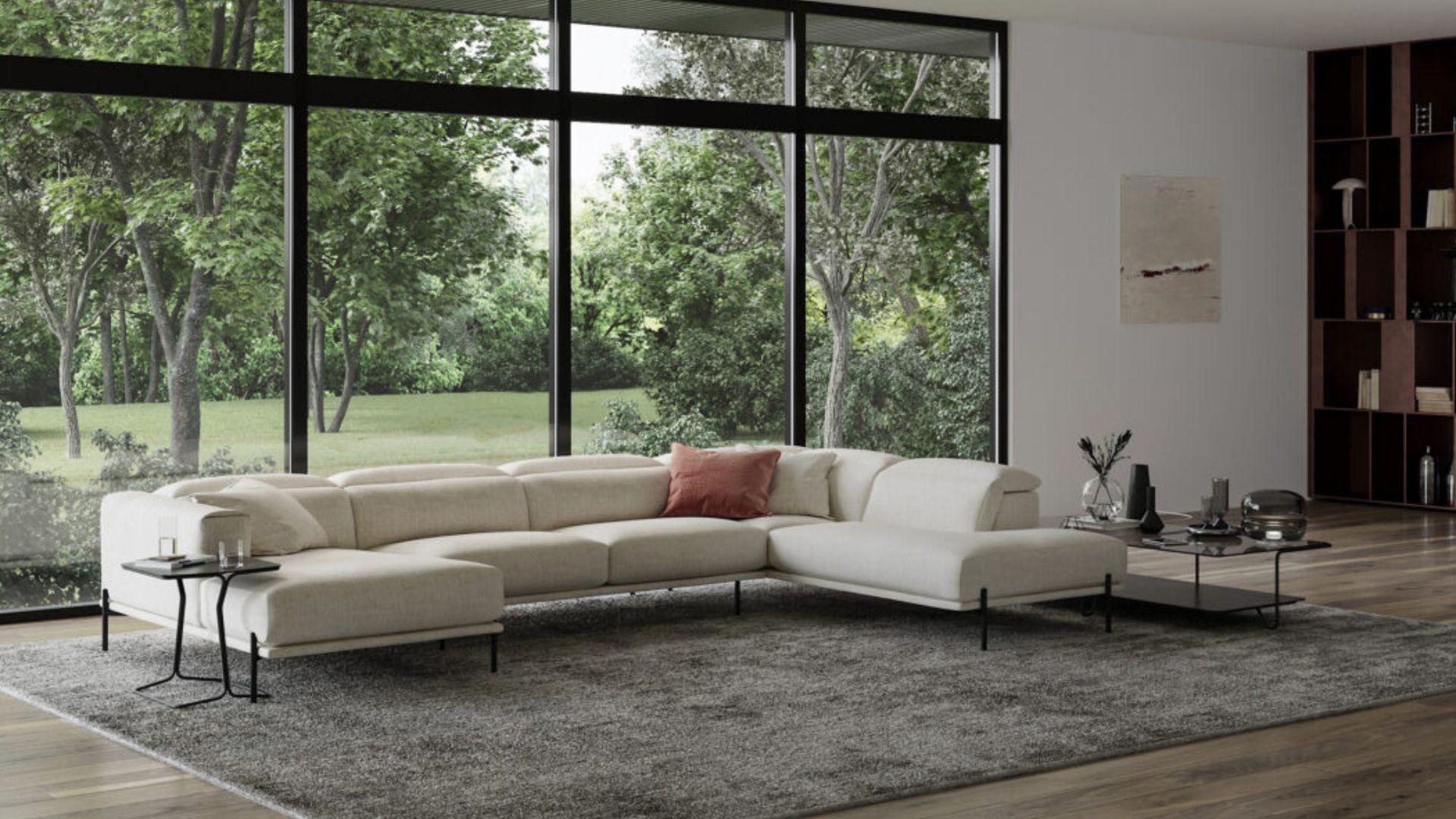

In the modern luxury landscape, sustainability is no longer a secondary consideration – it is the ultimate hallmark of quality. As homeowners move away from disposable culture, the focus has shifted toward “investment pieces” that offer both aesthetic beauty and a reduced environmental footprint through longevity. Choosing between premium natural leather and high-tech fabrics is a decision that balances tactile preference with long-term ecological impact.
The Case for Natural Longevity
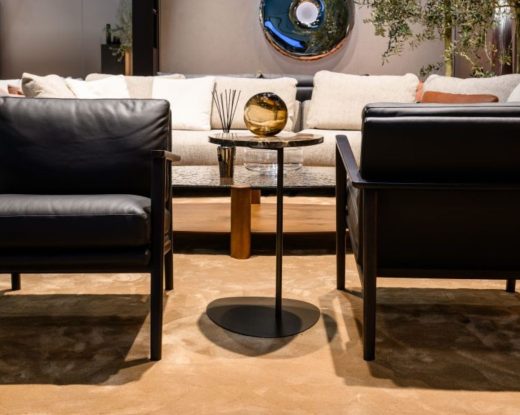
Premium leather is often cited as the gold standard for durability. When sourced and processed according to strict European standards, it becomes a material that does not just last – it evolves. Unlike synthetic alternatives that may show wear through fraying, high-quality leather develops a unique patina over time. This aging process adds character to the furniture, extending its life cycle for decades.
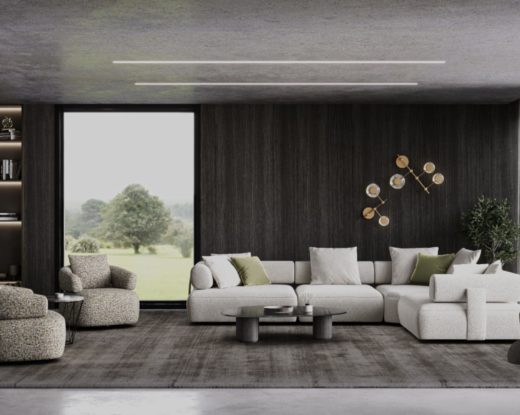
A substantial modular system, such as Ritz, gains a sense of architectural permanence when upholstered in natural hides. The material’s ability to regulate temperature and its inherent resistance to dust mites make it a practical choice for healthy living environments. Because a leather sofa can often outlast three or more textile-based counterparts, its total “cradle-to-grave” eco-footprint is significantly lower, making it a cornerstone of sustainable opulence.

Innovation in High-Tech Textiles
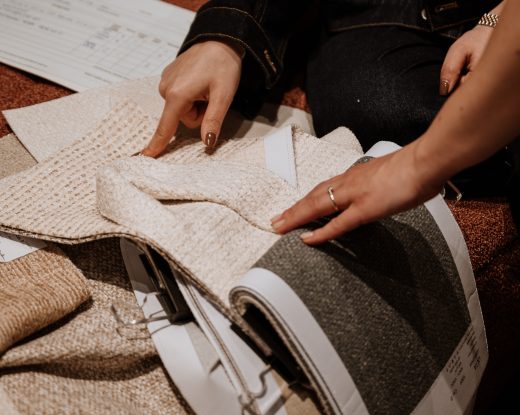
For those who prefer the warmth and variety of textiles, the “high-tech” revolution has introduced fabrics that rival leather in terms of endurance. Modern premium fabrics are engineered for high martindale counts – a technical measure of abrasion resistance – ensuring they can withstand the rigors of a multifunctional home.
The Maxwell sofa, with its clean and structured lines, serves as an excellent canvas for these advanced weaves. Many of these textiles are now produced using recycled fibers or closed-loop manufacturing processes, reducing water and energy consumption. When applied to a model like Samoa these fabrics provide a soft, breathable surface that maintains its structural integrity and color brilliance for years.

Balancing Ethics and Aesthetics
Ultimately, the most sustainable choice is the one that remains in your home the longest. Choosing a timeless silhouette over a passing trend is a vital part of eco-conscious design.
- Tactile Layering: Combine a leather-clad Spectra sofa with fabric-upholstered Oval poufs to enjoy the benefits of both worlds.
- Maintenance as Sustainability: Regular care using manufacturer-approved kits ensures that both leather and fabric remain in peak condition, preventing premature replacement.
- Modular Scalability: Systems like Horizon allow you to replace or reupholster individual modules rather than the entire unit, drastically reducing waste.
FAQ
Q: Which material is better for a home with high daily activity? A: Both offer distinct advantages. Natural leather is exceptionally easy to wipe clean, making it ideal for dining-adjacent areas. High-tech fabrics are designed with advanced weave structures that resist snagging and pilling, offering a soft yet resilient alternative.
Q: Does natural leather require more maintenance than fabric? A: Leather requires occasional conditioning to maintain its elasticity and prevent drying. However, this small investment in time is what allows the material to last for decades, whereas low-quality fabrics may lose their shape or texture much sooner.
Q: Are high-tech fabrics “breathable” for long-term comfort? A: Yes. Modern premium textiles are engineered to allow air circulation, which is essential for deep-seating models like Willow. This ensures a consistent microclimate between the user and the furniture, regardless of the season.
Q: How does the choice of filling affect the longevity of the upholstery? A: The internal structure is crucial. Models that utilize high-resilience foam paired with natural feathers – for instance, the Hudson sofa – provide a supportive base that prevents the upholstery from over-stretching, maintaining the crisp look of both leather and fabric.
Q: Can I mix different upholstery materials within one room? A: Absolutely. Integrating a leather Ray armchair into a room dominated by a fabric Goya modular system creates a sophisticated material contrast. This diversity in textures is a key element of contemporary European luxury.