In the world of contemporary furniture, versatility and adaptability have become essential qualities. For the modern consumer, a sofa is no longer just a functional object; it represents a personal experience tailored to individual comfort. The primary challenge for designers involves creating seating solutions that satisfy a wide spectrum of needs. This is especially true when housemates have contrasting tastes, where one person seeks firm, ergonomic support while another dreams of sinking into cloud-like softness.
Addressing the Comfort Spectrum
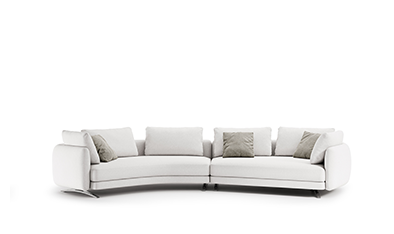
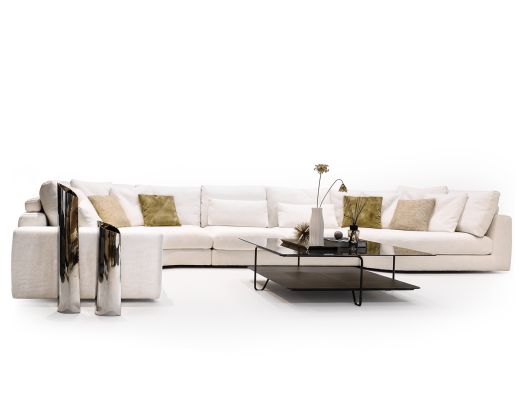
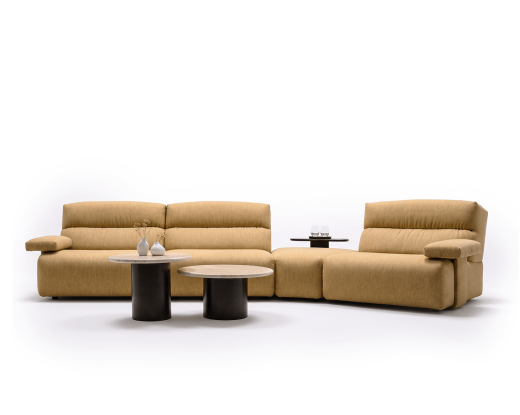
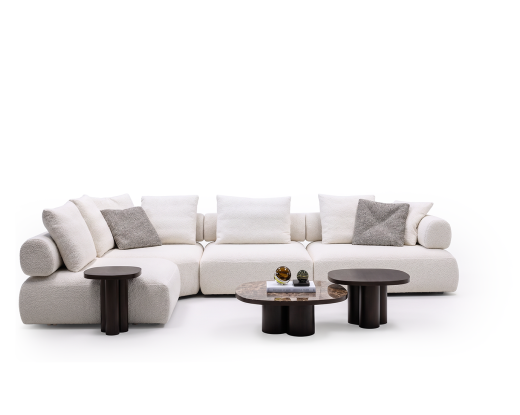
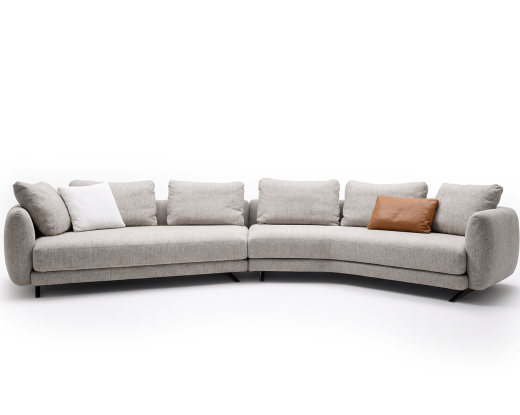
One effective approach to this challenge involves the development of modular sofas, which inherently offer spatial flexibility. The Stone system serves as a perfect example of this philosophy. Its reconfigurable modules allow users to create various seating depths and layouts in minutes, effectively tailoring the furniture to their current relaxation needs. Similarly, the Reverso collection features adaptable sections that can be assembled to create a spacious lounge area or a more structured seating arrangement. While each model maintains a consistent level of softness across all its components, the ability to personalize the configuration ensures that every user finds their ideal spot for resting.
Material Innovations for Personal Comfort
Material technology plays a crucial role in achieving this duality. The Elixir sofa provides a sophisticated example of this by combining high-resilience foam in the seat cushions with natural goose feather fillings in the backrests. This specific hybrid construction ensures that the body receives firm, structural support while sitting, while the lumbar and back areas can sink into the plush softness of the feathers. Such a functional division of materials allows a single piece of furniture to satisfy the need for both stability and cloud-like comfort simultaneously.

In another context, the Maxwell collection utilizes foam cores wrapped in high-quality fabric to offer a consistent, supportive feel. To enhance this experience, optional cushions and accessories enable further personalization of the lounging position. The key lies in this thoughtful layering, where internal composition and external accessories create a multi-level comfort experience.
Design Strategies: Balance and Personalization
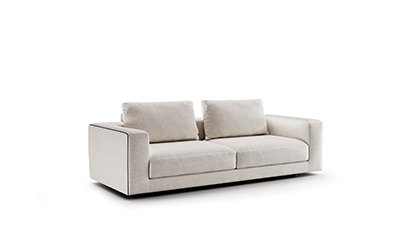
Balancing various comfort expectations within a home requires a diverse portfolio rather than a single, universal solution. The Goya sofa, for instance, represents a more structured approach with its high-resilience foam, making it an ideal choice for those who prioritize ergonomic, firm support. In contrast, the Hudson model addresses the opposite end of the spectrum. Its goose feather filling and lower density construction create a soft, “sink-in” sensation for users seeking ultimate relaxation. This strategic variety in technical specifications allows consumers to select models that precisely match their individual definition of comfort while maintaining a cohesive, high-end interior design.

Practical Application of Models
The diversity of the OLTA collection allows for a precise match between a model’s technical build and the user’s lifestyle. For those who prioritize stability and a structured feel, Spectra stands out with its firm, high-resilience foam construction, offering consistent support throughout the day. If the goal is to find a middle ground between firmness and plushness, Samoa provides a balanced experience through its carefully layered foam composition.

For households where deep relaxation is the priority, the Willow sofa offers a different sensation entirely. Its design focuses on a “sink-in” comfort, utilizing a softer density that appeals to seekers of cloud-like softness. By understanding these technical distinctions, users can choose a model that serves as a dedicated comfort zone, perfectly aligned with their personal seating preferences.
Practical Recommendations for Consumers
When selecting a sofa for a household with diverse comfort preferences, the following factors should guide your decision:
- System Versatility: Modular collections (such as Stone or Reverso) provide significant spatial flexibility. While each system has a consistent softness level, the ability to reconfigure modules allows users to adjust the seating depth and layout to find their most comfortable position.
- Material Composition: It is essential to verify the internal filling of the furniture. If you prefer a structured feel, look for models with high-resilience foam cores. For those seeking a softer experience, models featuring natural goose feathers in the backrests (for example, the Elixir sofa) offer the perfect balance of support and plushness.
- Customization through Accessories: Personal comfort can be enhanced by utilizing optional cushions and headrests. These accessories allow individuals to modify their support levels even on a sofa with a uniform firmness profile.
- Portfolio Comparison: Instead of looking for a single compromise, compare different models. A firmer Spectra might suit a formal living room, while the exceptionally soft Willow could be the ultimate choice for a private cinema room or a relaxation-focused space.
Optimizing Multi-User Comfort: How One Sofa Can Satisfy Both Firm and Soft Preference Seekers
In essence, a single sofa can indeed cater to contrasting preferences, provided that the design emphasizes flexibility, material innovation, and modularity. European craftsmanship, combined with thoughtful engineering, ensures these pieces meet high standards of quality and adaptability, enabling diverse comfort experiences without compromising aesthetic elegance.
FAQ
Q: Can modular systems satisfy both firm and soft seating preferences?
A: Modular collections – including the Stone and Reverso series – are designed with a specific, consistent comfort level for each model. While the firmness remains uniform across all modules, the flexibility of these systems allows users to personalize their experience by adjusting the layout and seating depth, which often helps in finding a comfortable position for everyone.
Q: Is it possible to find a sofa that combines foam and feather fillings?
A: Yes, many European-designed models utilize this hybrid approach to enhance comfort. A prime example is the Elixir sofa, which features supportive high-resilience foam in the seat cushions for stability, paired with natural goose feathers in the backrests for a plush, sink-in feeling. This combination provides a sophisticated balance between structural support and softness.
Q: How do I choose a sofa that suits both firm and soft preferences?
A: Prioritize models with modular components, support zones, and materials that can be adjusted or combined. Test the furniture in showrooms to ensure the design meets your comfort needs.
Q: Is multi-user comfort achievable without sacrificing aesthetic appeal?
A: Yes. Many contemporary sofas blend ergonomic support with elegant aesthetics, utilizing high-quality materials and innovative design to satisfy diverse preferences.
For many interiors, the corner sofa has long been the default choice. While practical, it often limits how a living space can evolve over time. Modular systems from OLTA offer a more flexible approach, allowing layouts to respond to daily routines, changing needs, and architectural constraints. Below are five creative configurations that move beyond the traditional corner setup—each grounded in real modular solutions from OLTA’s collection.
1. The Floating Island
Instead of pushing the sofa against the wall, position it centrally to create a social island. The Horizon modular system works particularly well here, as its clearly defined modules allow for symmetrical arrangements. A central composition helps zone open-plan interiors, separating the living area from dining or kitchen spaces without the need for partitions.
2. Two-Facing Conversation Layout
In larger living rooms, consider splitting the sofa into two facing sections. Maxwell’s modular construction makes it possible to create parallel seating that encourages direct interaction. This layout is ideal for homes where conversation and shared moments take precedence over screen-focused arrangements.

3. Compact Linear with a Twist
Not every modular solution needs to be expensive. Amalfi’s streamlined modules allow for a linear setup enhanced by a single perpendicular element. The result is a compact yet dynamic composition that fits well in narrower rooms while still offering visual interest and practical seating.

4. Open U-Shape Without Enclosure
A U-shaped layout does not have to feel heavy or enclosing. Take the Stone system, for example—its modular proportions allow for an open-ended U configuration that maintains circulation flow. This arrangement works well in family living rooms, offering generous seating while keeping the space breathable.
5. Lounge-Oriented Asymmetry
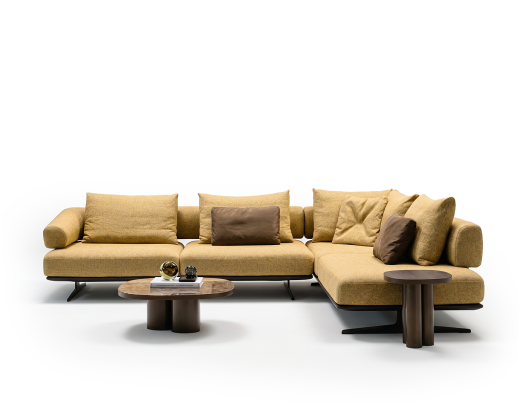
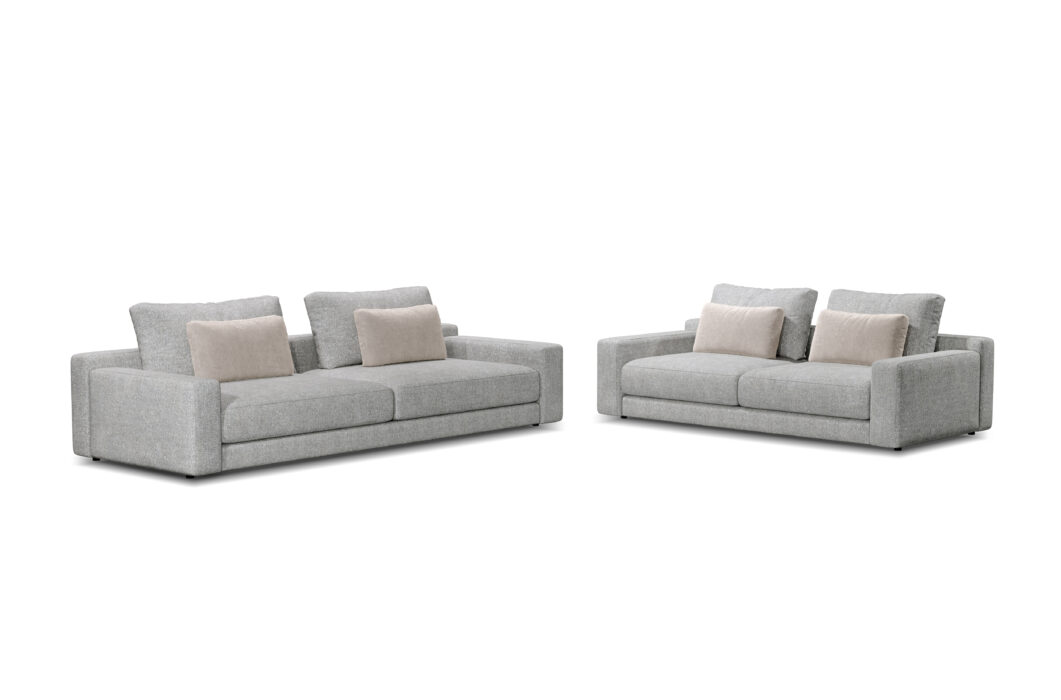
For a more relaxed atmosphere, asymmetrical layouts introduce an informal rhythm. Reverso’s modular elements can be combined into uneven compositions that prioritize lounging and flexibility. This approach suits interiors designed around slow living, where comfort and adaptability define the space.
Practical Tips for Planning a Modular Layout
- Always measure circulation paths; allow comfortable walkways in centimeters, not approximations.
- Combine modules gradually—start with a core configuration and expand if needed.
- Use modularity to adapt the sofa to architectural features rather than forcing symmetry.
FAQ
Can OLTA modular sofas be reconfigured after purchase?
Yes. All modular systems are designed to allow reconfiguration using compatible modules within the same collection.
Are these layouts suitable for small living rooms?
Yes. Systems such as Goya and Diva or Horizon offer modules that support compact and linear arrangements ideal for limited spaces.
Do modular sofas require special tools to rearrange?
No. Reconfiguration is straightforward and does not require specialized tools.
Are OLTA modular sofas produced in Europe?
Yes. OLTA furniture reflects European craftsmanship and design standards.