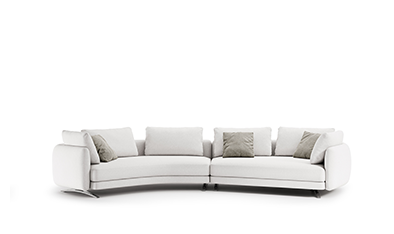
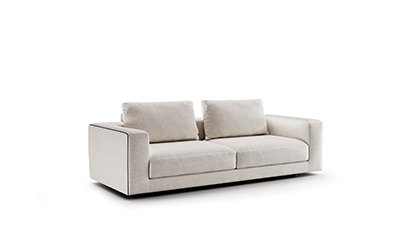
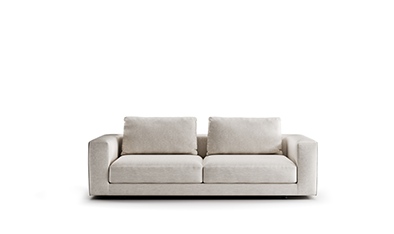
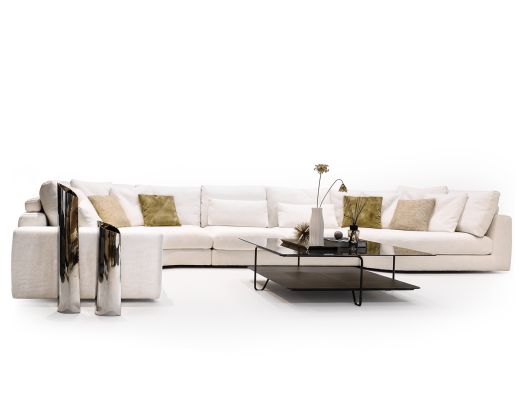
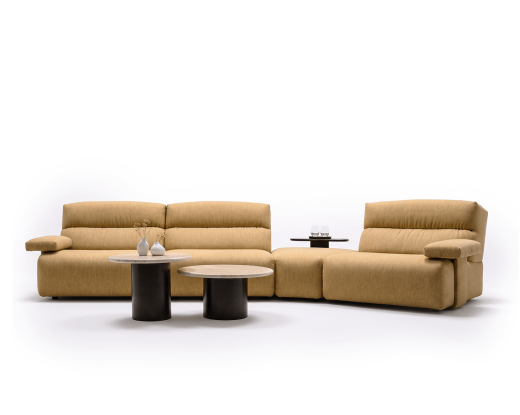
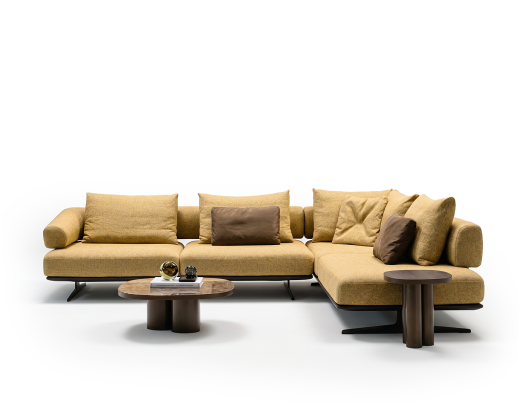
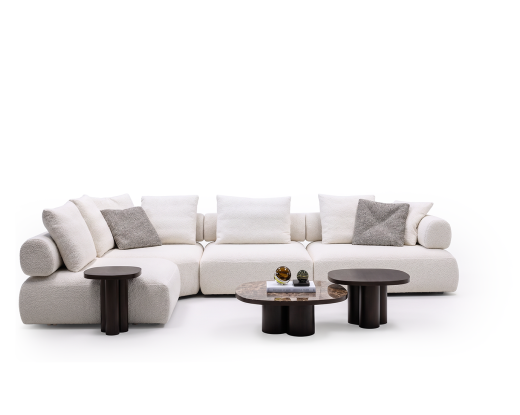
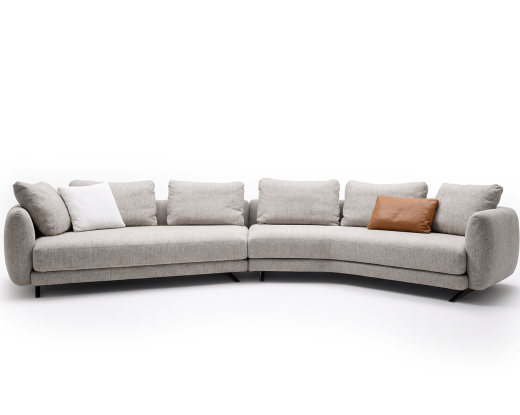
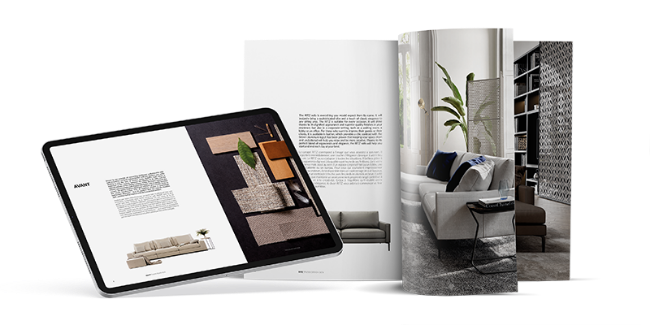
Buying a sofa is rarely a short-term decision. It often marks a life moment: a first independent apartment, a shared home, or a growing family space. The idea of a “forever sofa” is not about permanence in form but about adaptability. Modular design makes this possible by allowing one piece of furniture to evolve alongside its owners.
Stage One: The First Apartment
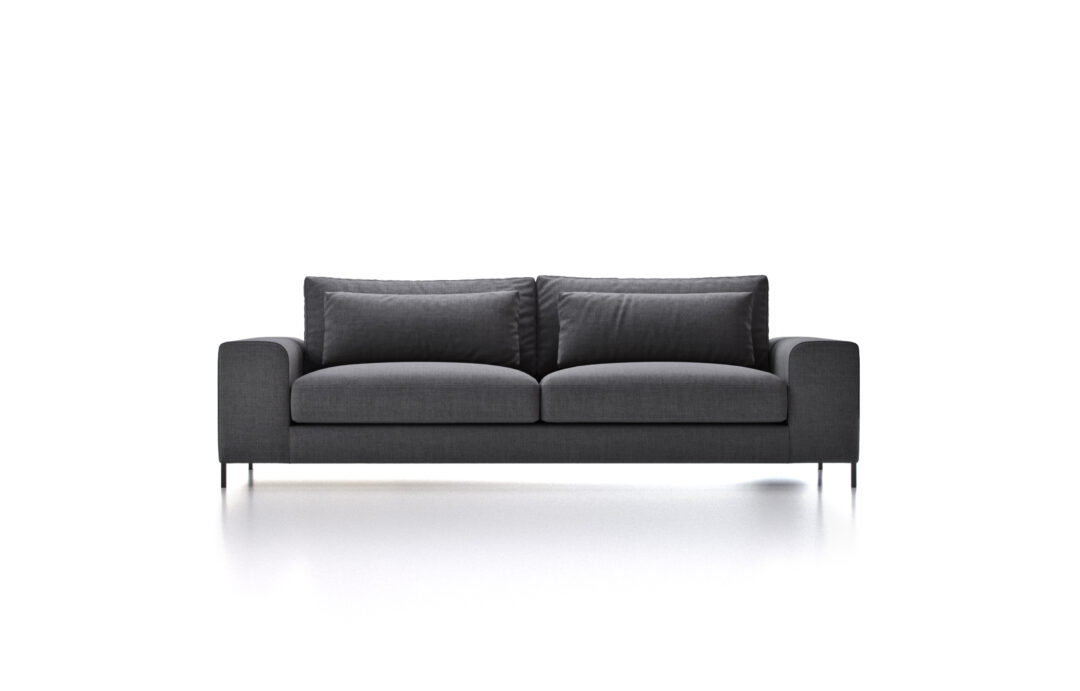
In compact living spaces, flexibility is essential. A modular sofa allows you to start small and avoid overwhelming the room. Take Willow system, for example—its clean proportions and compact modules fit comfortably into smaller interiors without sacrificing seating comfort. A simple two- or three-seat configuration can later become the foundation for something larger.

At this stage, it’s worth measuring:
- available wall length in cm
- circulation space (minimum 80–90 cm for comfortable movement)
- door and stair widths to ensure delivery access
Stage Two: Moving In Together
When lifestyles merge, seating needs change. Modular sofas allow you to reconfigure layouts to support everyday routines—movie nights, hosting friends, or simply stretching out after work. Adding a corner or chaise module increases seating without replacing the entire sofa.
Stone’s modular concept supports this transition naturally: existing elements remain, while new modules expand functionality. This approach reduces waste and keeps the interior visually consistent, an important principle in slow living.
Stage Three: A Growing Family Home
As homes grow, durability and layout flexibility become priorities. Systems such as Amalfi or Horizon are designed to scale: more seats for family gatherings, clearer zoning between relaxation and social areas, and layouts that can change as children grow.
A larger living room often benefits from:
- deeper seating zones for relaxed lounging
- modular layouts that define space without walls
- configurations that can be adjusted as needs evolve
Rather than replacing furniture every few years, modularity allows you to adapt the same sofa to new realities.
Why Modular Means Long-Term Thinking
Modular design is not about trends—it’s about longevity. European craftsmanship emphasizes quality structures, timeless proportions, and solutions that age well. Produced in Europe and inspired by refined design traditions, OLTA’s modular sofas are built to support long-term use rather than short-term replacement.
Practical Tips Before Choosing a “Forever Sofa”
- Measure your current space and anticipate future layouts
- Ask which modules can be added later
- Consider how seating zones might change over time
- Choose upholstery suited to everyday life, not just first impressions
One Sofa, Many Lives
A truly great sofa doesn’t belong to a single moment in time. It adapts quietly as life evolves—moving with you from a first apartment to a shared home and eventually into a space shaped by family and routine. Modular design makes this continuity possible, allowing comfort, proportion, and function to change without starting over. Choosing a “forever sofa” is less about predicting the future and more about preparing for it—thoughtfully, sustainably, and with confidence that your living space can grow at the same pace as you do.
FAQ: Modular Sofas and Life Changes
Can a modular sofa really last through multiple life stages?
Yes—provided the system allows adding, removing, and rearranging modules without replacing the core structure.
Is modular furniture suitable for small apartments?
Absolutely. Starting with fewer modules keeps proportions balanced, while future expansion remains possible.
What should I measure before buying?
Always measure room dimensions, access points, and circulation paths in centimeters. Planning ahead prevents costly mistakes.
Does modular mean compromising on aesthetics?
No. Well-designed systems maintain visual cohesion even as layouts change, supporting a calm, intentional interior over time.
The modern living room works overtime. Morning yoga, afternoon reading, evening entertaining – one space must gracefully transition between solitary relaxation and social energy. Multifunctional furniture makes this possible without compromising style or comfort.
Modular flexibility is key
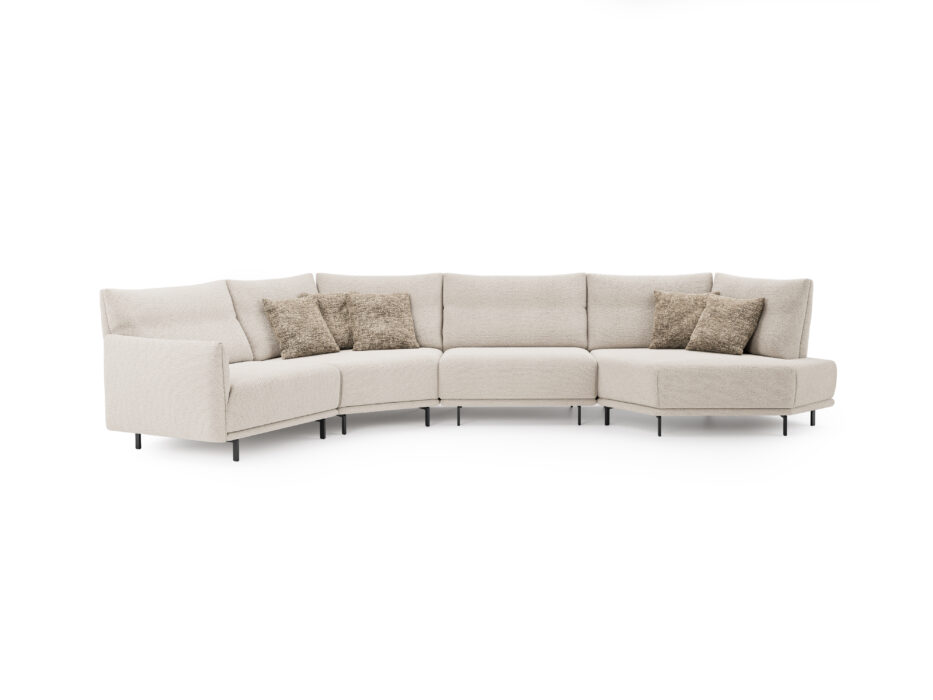
Reconfigurable seating adapts to shifting needs throughout the day. A sprawling L-shape perfect for solo binge-watching sessions transforms into an open, conversation-friendly arrangement when guests arrive. Anaga‘s adjustable headrests lower for social settings, then rise for social settings, then lower for cocooned evening relaxation. Reverso and Goya offer similar versatility – modules that can be pushed together for intimate lounging or separated to accommodate a crowd.
Coffee tables that multitask
Your coffee table works harder than any other piece. The Orio collection provides surface space for morning laptops, afternoon books, and evening drinks alike. Consider height and accessibility: lower tables encourage relaxed floor-style gatherings, while slightly taller options ease the transition from daytime productivity to cocktail hour.

Poufs and armchairs: secret weapons
Lightweight seating expands capacity without cluttering your layout. Coco and Oval armchairs tuck into corners during the day, then pull forward to complete a conversation circle at night. Poufs – Uno, or the ottoman modules available with most sofa collections – serve as footrests for solo lounging, extra seating for parties, or impromptu side tables when topped with a tray.

Lighting shapes the mood
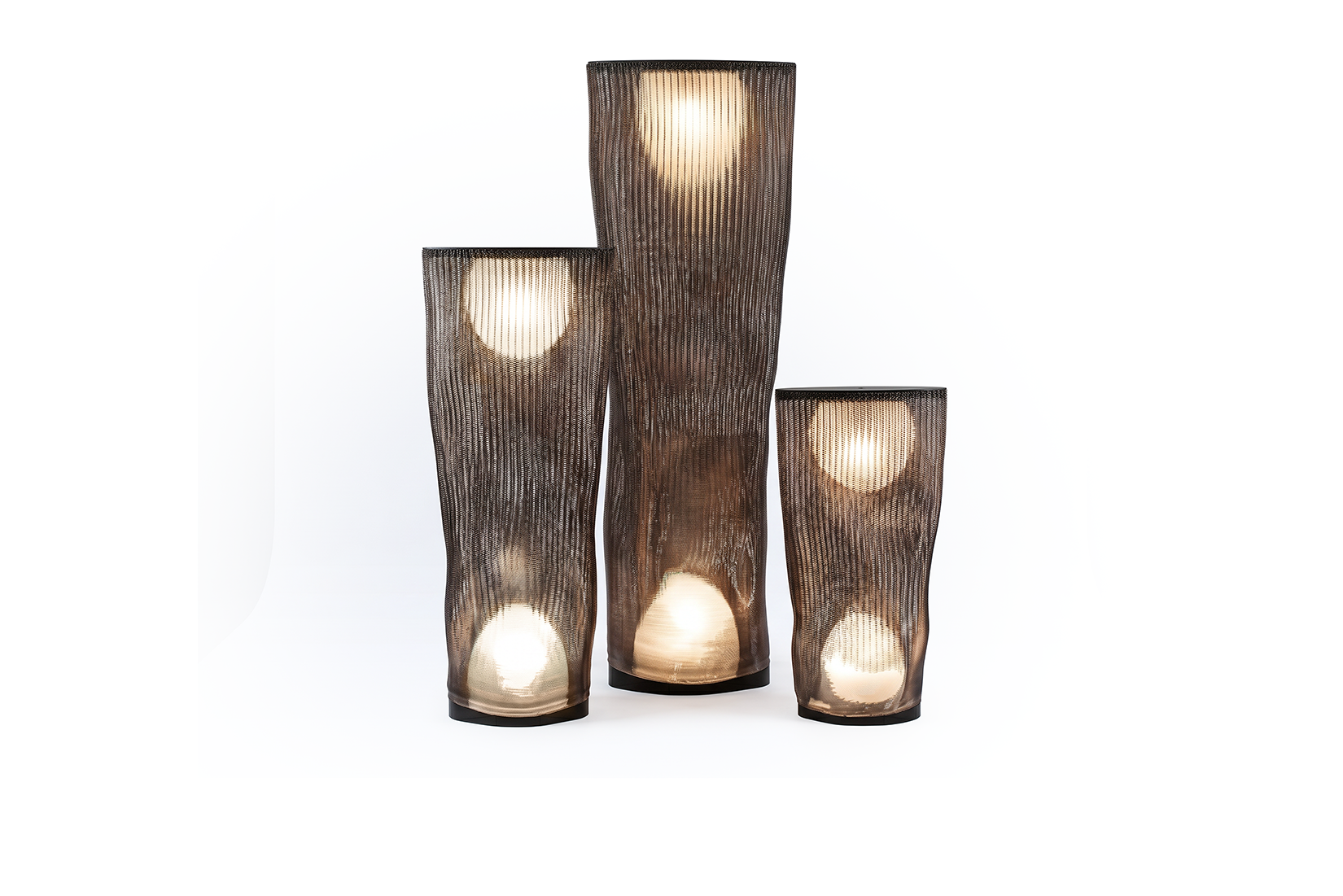
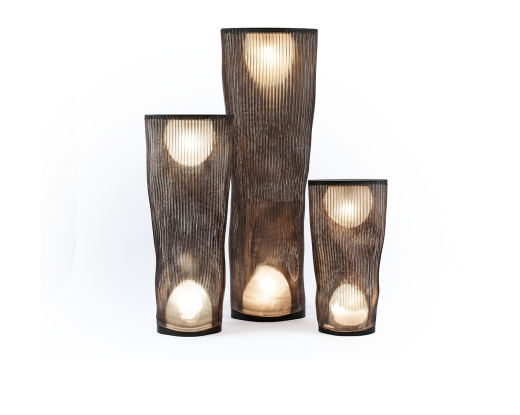
Furniture alone cannot complete the transformation. Layer ambient, task, and accent lighting to shift the atmosphere as the day progresses.
FAQ
How many seats should I plan for evening gatherings?
A practical rule: your primary seating plus two flexible options. A three-seat modular sofa combined with two poufs and an armchair comfortably hosts six to seven guests without overwhelming daytime proportions.
Can one sofa really work for both lounging and entertaining?
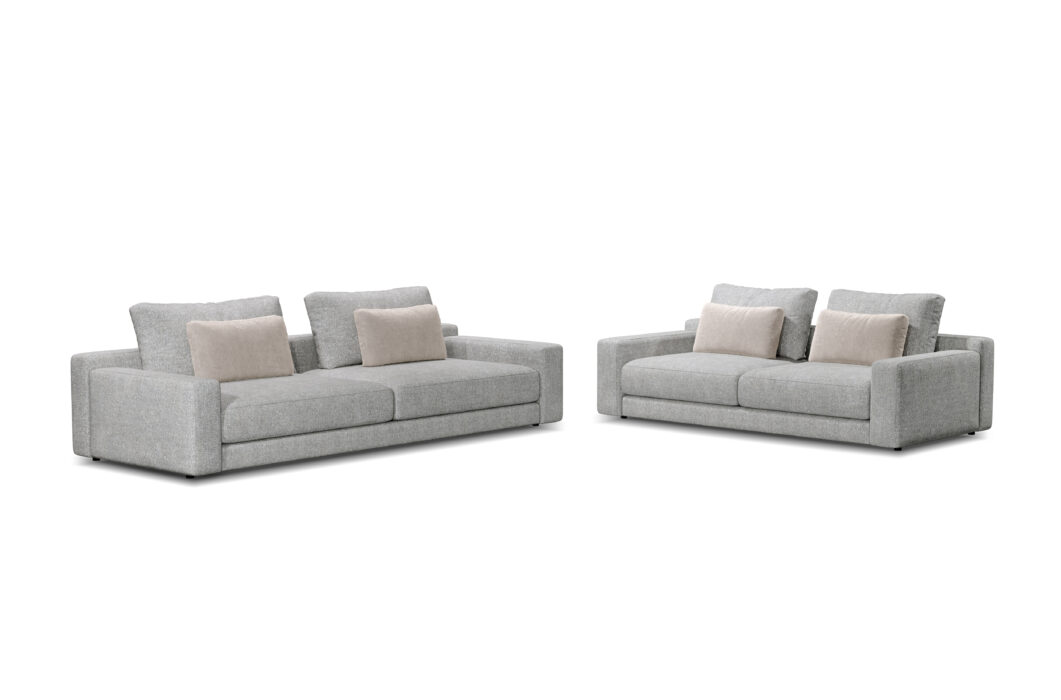
Yes! Modularity makes the difference. Deep-seated configurations like Hudson or Reverso support full relaxation, while their reconfigurable elements open sightlines for group conversation when needed.
What’s the fastest way to transition a room from day to night mode?
Rearrange poufs and armchairs into a circular formation, dim overhead lights in favour of lamps, and clear coffee table clutter. Five minutes transforms the energy completely.