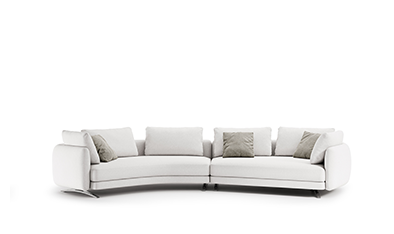
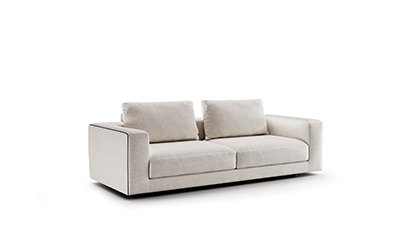
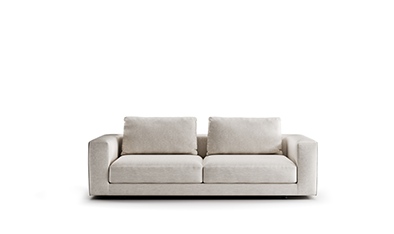
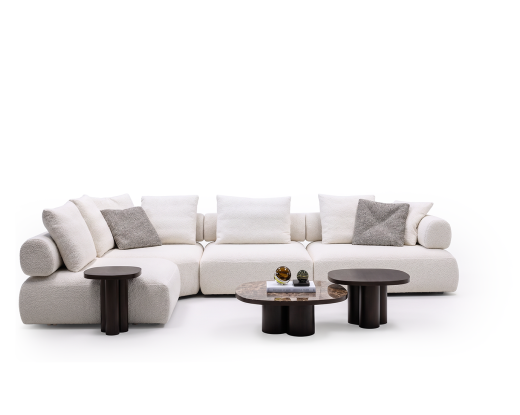
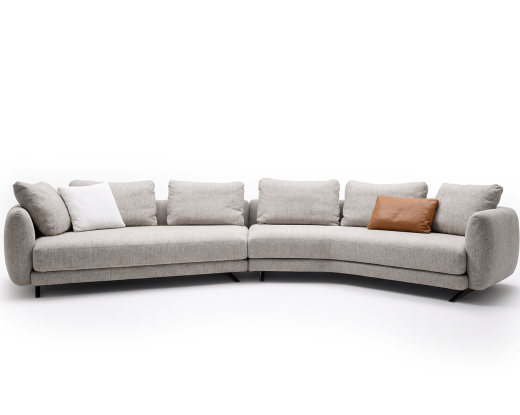
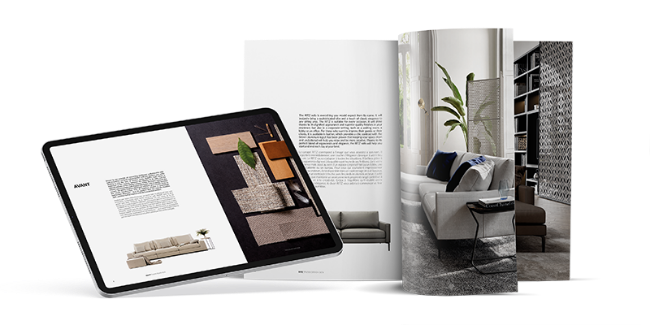
Buying a sofa is rarely a short-term decision. It often marks a life moment: a first independent apartment, a shared home, or a growing family space. The idea of a “forever sofa” is not about permanence in form but about adaptability. Modular design makes this possible by allowing one piece of furniture to evolve alongside its owners.
Stage One: The First Apartment
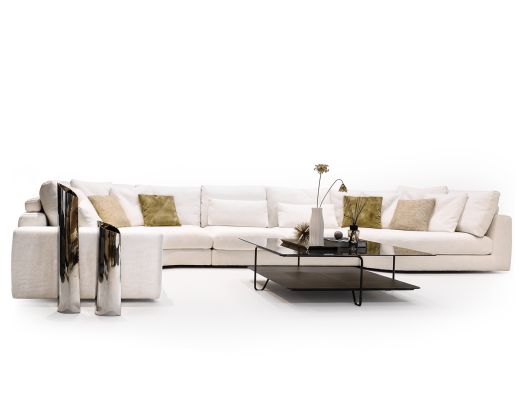
In compact living spaces, flexibility is essential. A modular sofa allows you to start small and avoid overwhelming the room. Take Willow system, for example—its clean proportions and compact modules fit comfortably into smaller interiors without sacrificing seating comfort. A simple two- or three-seat configuration can later become the foundation for something larger.

At this stage, it’s worth measuring:
- available wall length in cm
- circulation space (minimum 80–90 cm for comfortable movement)
- door and stair widths to ensure delivery access
Stage Two: Moving In Together
When lifestyles merge, seating needs change. Modular sofas allow you to reconfigure layouts to support everyday routines—movie nights, hosting friends, or simply stretching out after work. Adding a corner or chaise module increases seating without replacing the entire sofa.
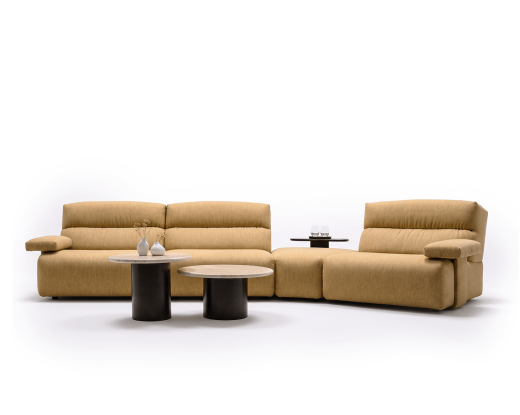
Stone’s modular concept supports this transition naturally: existing elements remain, while new modules expand functionality. This approach reduces waste and keeps the interior visually consistent, an important principle in slow living.
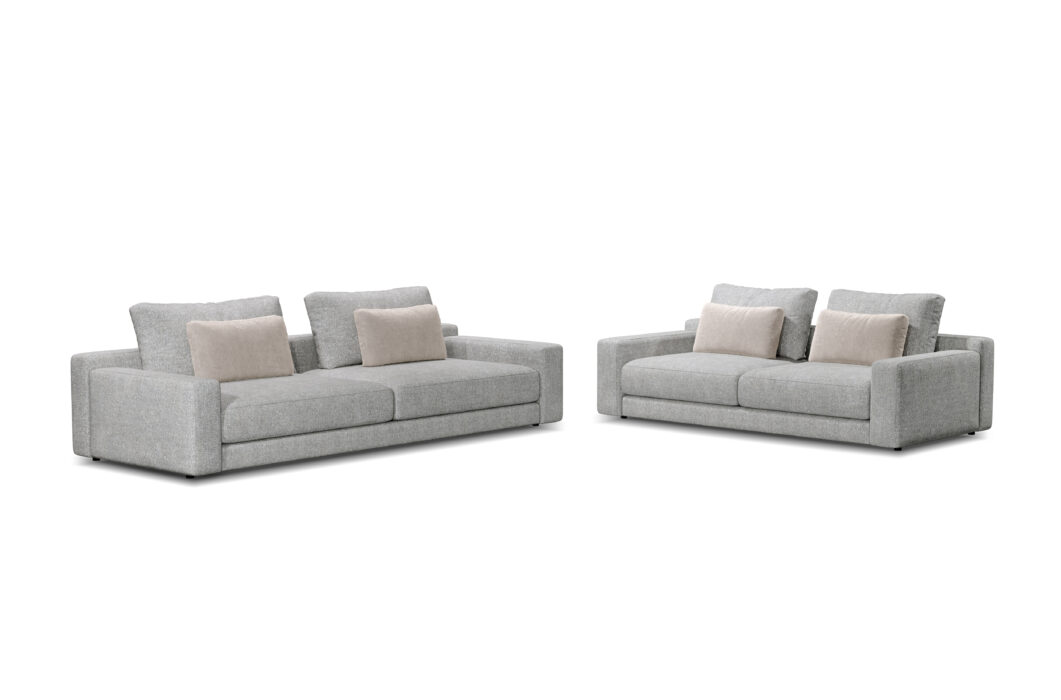
Stage Three: A Growing Family Home
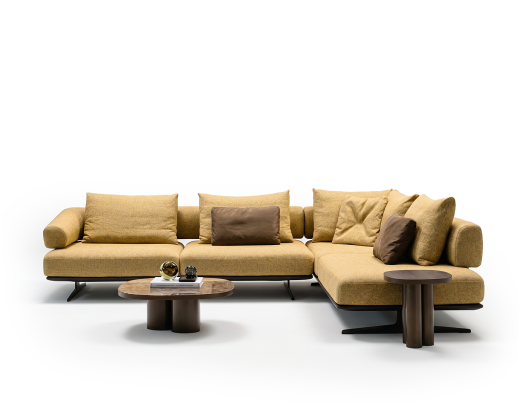
As homes grow, durability and layout flexibility become priorities. Systems such as Amalfi or Horizon are designed to scale: more seats for family gatherings, clearer zoning between relaxation and social areas, and layouts that can change as children grow.
A larger living room often benefits from:
- deeper seating zones for relaxed lounging
- modular layouts that define space without walls
- configurations that can be adjusted as needs evolve
Rather than replacing furniture every few years, modularity allows you to adapt the same sofa to new realities.
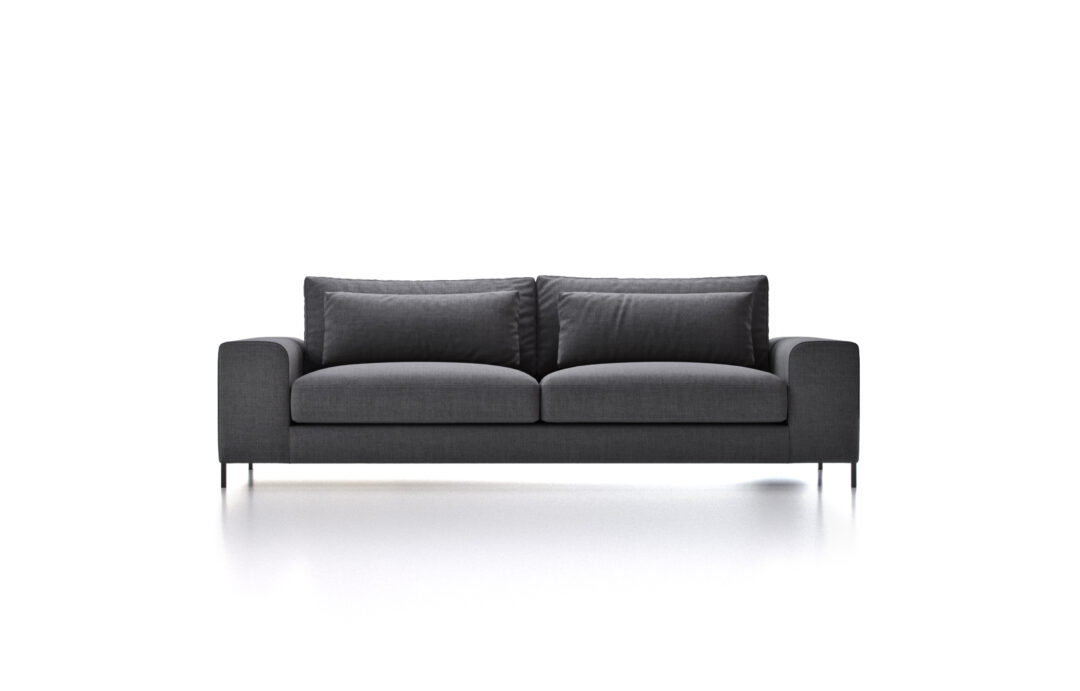
Why Modular Means Long-Term Thinking
Modular design is not about trends—it’s about longevity. European craftsmanship emphasizes quality structures, timeless proportions, and solutions that age well. Produced in Europe and inspired by refined design traditions, OLTA’s modular sofas are built to support long-term use rather than short-term replacement.
Practical Tips Before Choosing a “Forever Sofa”
- Measure your current space and anticipate future layouts
- Ask which modules can be added later
- Consider how seating zones might change over time
- Choose upholstery suited to everyday life, not just first impressions
One Sofa, Many Lives
A truly great sofa doesn’t belong to a single moment in time. It adapts quietly as life evolves—moving with you from a first apartment to a shared home and eventually into a space shaped by family and routine. Modular design makes this continuity possible, allowing comfort, proportion, and function to change without starting over. Choosing a “forever sofa” is less about predicting the future and more about preparing for it—thoughtfully, sustainably, and with confidence that your living space can grow at the same pace as you do.
FAQ: Modular Sofas and Life Changes
Can a modular sofa really last through multiple life stages?
Yes—provided the system allows adding, removing, and rearranging modules without replacing the core structure.
Is modular furniture suitable for small apartments?
Absolutely. Starting with fewer modules keeps proportions balanced, while future expansion remains possible.
What should I measure before buying?
Always measure room dimensions, access points, and circulation paths in centimeters. Planning ahead prevents costly mistakes.
Does modular mean compromising on aesthetics?
No. Well-designed systems maintain visual cohesion even as layouts change, supporting a calm, intentional interior over time.
Visiting a showroom for your new sofa is an exciting step toward creating your ideal living space. To make the most of this experience, it’s essential to ask the right questions and measure carefully to ensure the furniture fits perfectly and meets your comfort needs. Here’s a guide to help you navigate the showroom with confidence and acquire a piece that truly aligns with your lifestyle.
Understanding the Range of Models and Their Features
When exploring options, it’s important to approach each model with a fresh perspective. Instead of repeatedly referencing sofas like Stone or Reverso, consider how each piece’s unique qualities serve different needs:
- The Horizon provides a perfect example of how technical dimensions translate into daily comfort. Its generous seat depth makes it an ideal choice for taller individuals, as it offers full support for the thighs and prevents that uncomfortable feeling of being perched on the edge. This deep-seated design also invites a more relaxed, “slow living” style of lounging. When visiting a showroom, it is worth asking about the specific filling of the cushions to ensure that this spaciousness aligns with your personal preference for either soft, feather-based relaxation or more structured, foam-led support.
- The Anaga collection perfectly illustrates how modern design can adapt to the user’s immediate needs through functional versatility. Instead of a fixed silhouette, this model features adjustable headrests and armrests, allowing you to manually transition from a formal, upright seating position to a more relaxed, lounging posture. When testing this system in a showroom, pay close attention to the smooth operation of these mechanisms. It is the ideal solution for those who want a single piece of furniture to serve both as a supportive spot for reading and a comfortable space for evening relaxation, regardless of the user’s height.
- For those drawn to a minimalist, almost architectural aesthetic, the Goya sofa offers a distinct visual and ergonomic experience. Far from being a traditional or classic design, this model is characterized by its low-slung, monolithic silhouette that fits perfectly into contemporary, open-plan interiors. Since its construction relies on high-density foam without feather additions, it provides firm, resilient support—ideal for those who prefer stability over a deep “sink-in” feeling. In the showroom, it is worth observing how this solid structure maintains its precise shape even after use, which is essential for preserving its clean, modern lines over time.
What to Measure Before Visiting the Showroom
Accurate measurements prevent surprises upon delivery. Use a tape measure to record:
- Room dimensions: Measure the space where the sofa will go, including width, depth, and height restrictions. Remember to check doorways, staircases, and elevator dimensions.
- Available space for the sofa:
- Ensure the sofa’s width, depth, and height fit comfortably without obstructing movement or other furniture.
- Seat depth and height:
- For comfortable seating, the seat depth should generally be between 55-70 cm. The seat height, usually around 41-45 cm, should align with your other furniture and ergonomic preferences.
- Clearance for movement:
- Leave at least 10-15 cm around the sofa for ease of access and cleaning.
Key Questions to Ask in the Showroom
To gain comprehensive insight, consider these questions:
What are the dimensions of the sofa?
- Measure both the overall size and internal spaces like seat depth (cm), height (cm), and width (cm). Confirm these match your available space.
Can I test the softness and support in person?
- Sit comfortably and test the cushions’ firmness or softness. Remember, softness is subjective, but personal testing is crucial.
What materials are used for the cushions and frame?
- Confirm if the foam includes memory or feathers for support, and whether the frame is constructed with European craftsmanship.
Does the sofa feature a low-profile or elevated design?
- The visual weight of a sofa is often defined by its base. You should decide between a low-profile, “floor sofa” aesthetic—where the frame sits almost directly on the ground—and a model elevated on higher legs. For instance, a sofa on slim, tall legs can make a smaller room feel more spacious by exposing the floor beneath it, whereas a low-profile design creates a grounded, cozy atmosphere. In the showroom, check how the height of the base influences both the overall look and the ease of cleaning underneath.
What fabric options are available?
- Ask for approved fabrics, especially those that are easy to maintain and suited to your lifestyle. It is highly recommended to ask the salesperson for a fabric sample to take home; this allows you to see how the color and texture behave under the specific lighting conditions of your own space, which can differ significantly from the showroom environment.
Does the sofa come with a warranty or certification?
- Inquire about warranty details, technical certifications, and whether the product is produced with sustainable practices.
Final Checks Before Buying
- Confirm all dimensions are in centimeters and match your measurements.
- Verify that the features you need—such as support support, removable covers, or specific foam types—are present in the model you choose.
- Avoid assumptions about features like built-in USB ports or storage compartments unless explicitly confirmed by the supplier.
- Check the support and support system’s technical specifications with the catalog or directly with the dealer.
- For international purchase, focus on European craftsmanship and produced-in-Europe quality standards.
Frequently Asked Questions (FAQ)
Q: How do I ensure the sofa will fit through my door?
A: Measure the widest points of the sofa (including armrests and backrest if possible) and compare these with door widths and stairwell dimensions. Remember to account for the packaging and delivery route.
Q: What support features should I look for?
A: Look for reinforced frames, high-density foam support, and support systems that match your comfort preferences. Ask about the support structure and materials used.
Q: Are all fabrics in the collection equally durable?
A: No, durability and stain resistance vary depending on the fabric composition. Natural fibers offer a classic, breathable feel but may require more careful maintenance. For high-traffic households, it is better to look for fabrics featuring technologies like Aqua Pure, which provides advanced stain resistance and easy cleaning. When discussing options with a consultant, ask about the Martindale count for durability and the specific fiber type that best matches your daily lifestyle.
Q: Can I customize the sofa’s configuration?
A: All OLTA collections are designed as modular systems, offering nearly limitless possibilities for customization. Whether you are interested in a compact straight sofa or an expansive corner arrangement, every model can be tailored to fit your specific room dimensions. In the showroom, you can discuss various module combinations to create a layout that perfectly matches your interior’s functional requirements.
Q: How do I verify technical features like foam support or fabric quality?
A: Always review the technical specifications in the product catalog or consult directly with the dealer to confirm features like memory foam support, fabric certifications, and technical support support.You can also chceck producer or seler website for technical sheets or online version of catalogue.
Modern minimalism is more than an aesthetic; it is a way of living that values purposeful design, spatial clarity, and comfort without clutter. In contemporary interiors, clean lines and neutral palettes create calm environments, but comfort should never be sacrificed for simplicity. Thoughtful selection of furnishings – from sofas to armchairs and tables – can deliver a minimalist look while ensuring that every piece invites you to relax and dwell. European craftsmanship underscores this approach, where refined design meets ergonomic detail.
The Essence of Minimalist Comfort
Minimalist interiors thrive on restraint: limited decorative elements, clean geometric forms, and seamless spatial flow. However, minimalist furniture can still be deeply inviting. Consider the Willow sofa—its modularity allows you to tailor configurations for social lounging or intimate relaxation without disrupting a pared‑back palette, and its seat height of 42 cm supports ergonomic comfort.
Anchor Seating: Sofas that Elevate Minimalism
The beauty of simplicity is that each piece becomes intentional and meaningful.
- Willow sofa structures the living area with soft geometric forms that balance visual calm and tactile comfort. Its configurable modules adapt from 80 cm to 256 cm in width, enabling you to scale seating to the room without visual overload.
- In contrast, model Anaga offers adjustable headrests and supportive back layers that foster a more dynamic comfort profile while preserving minimalist lines.
- Take the Ritz sofa—a distinctly simple silhouette with high‑quality supportive construction that shapes comfort harmoniously within a restrained scheme.
Each of these sofas exemplifies how minimalist form and ergonomic features can coexist without unnecessary ornamentation.
Seating and Accent Pieces: Adding Depth Without Clutter
Minimalist interiors benefit from carefully chosen accent chairs and low‑profile tables that act as functional focal points.
An armchair such as Lenox complements minimalist seating arrangements by offering a compact footprint without compromising comfort. Selecting upholstery and finishes that match or subtly contrast the sofa fabric maintains visual continuity.

For surfaces, low‑slim tables should offer practicality without heaviness. Simple rectangular or round tops in light wood or matte finishes support activities—from holding a morning coffee to displaying a carefully curated book stack—while preserving clean sightlines.
Functional Layering with Tables
Introduce occasional tables as anchors for activity zones. A coffee table with a surface height around 40–45 cm encourages relaxed interaction without interrupting minimalist proportions. While surface choices are stylistic, prioritize sturdy materials and clean forms that articulate function through simplicity.
Practical Tips for Achieving a Minimalist yet Comfortable Space
1. Limit Visual Noise:
Select a restrained color palette—warm neutrals, muted tones, or soft earth shades—to reinforce calm spatial perception.
2. Prioritize Proportions:
Measure your seating and circulation zones carefully. Optimal distances between sofa edges and tables (around 45–60 cm) ensure ease of movement and practical use.
3. Layer Textures, Not Objects:
Introduce texture with upholstery and textiles rather than decorative knick‑knacks. A finely tailored sofa fabric and a subtle wool rug add comfort while maintaining minimalism.
FAQ—Minimalism and Comfort in Practice
Q: How do I maintain a minimalist aesthetic without making my space feel cold?
A: Invest in high‑quality seating with thoughtful upholstery and ergonomic design. Soft yet structured sofas with warm upholstery (e.g., Willow) and accent chairs with supportive cushions deliver human comfort within a minimalist aesthetic.
Q: Can modular seating work in small spaces?
A: Yes. Modular systems allow you to define zones efficiently and reconfigure seating as needs change. Choose compact modules for small rooms and keep clear pathways.
Q: What height should my coffee table be relative to my sofa?
A: Aim for surface heights that are about 40–45 cm to sit comfortably within reach of standard sofa seat heights to support everyday use without disrupting line of sight.
Q: Should minimalist rooms avoid color entirely?
A: Minimalism benefits from a limited palette, but soft hues and natural materials add warmth without compromising simplicity.
For many interiors, the corner sofa has long been the default choice. While practical, it often limits how a living space can evolve over time. Modular systems from OLTA offer a more flexible approach, allowing layouts to respond to daily routines, changing needs, and architectural constraints. Below are five creative configurations that move beyond the traditional corner setup—each grounded in real modular solutions from OLTA’s collection.
1. The Floating Island
Instead of pushing the sofa against the wall, position it centrally to create a social island. The Horizon modular system works particularly well here, as its clearly defined modules allow for symmetrical arrangements. A central composition helps zone open-plan interiors, separating the living area from dining or kitchen spaces without the need for partitions.
2. Two-Facing Conversation Layout
In larger living rooms, consider splitting the sofa into two facing sections. Maxwell’s modular construction makes it possible to create parallel seating that encourages direct interaction. This layout is ideal for homes where conversation and shared moments take precedence over screen-focused arrangements.

3. Compact Linear with a Twist
Not every modular solution needs to be expensive. Amalfi’s streamlined modules allow for a linear setup enhanced by a single perpendicular element. The result is a compact yet dynamic composition that fits well in narrower rooms while still offering visual interest and practical seating.

4. Open U-Shape Without Enclosure
A U-shaped layout does not have to feel heavy or enclosing. Take the Stone system, for example—its modular proportions allow for an open-ended U configuration that maintains circulation flow. This arrangement works well in family living rooms, offering generous seating while keeping the space breathable.
5. Lounge-Oriented Asymmetry
For a more relaxed atmosphere, asymmetrical layouts introduce an informal rhythm. Reverso’s modular elements can be combined into uneven compositions that prioritize lounging and flexibility. This approach suits interiors designed around slow living, where comfort and adaptability define the space.
Practical Tips for Planning a Modular Layout
- Always measure circulation paths; allow comfortable walkways in centimeters, not approximations.
- Combine modules gradually—start with a core configuration and expand if needed.
- Use modularity to adapt the sofa to architectural features rather than forcing symmetry.
FAQ
Can OLTA modular sofas be reconfigured after purchase?
Yes. All modular systems are designed to allow reconfiguration using compatible modules within the same collection.
Are these layouts suitable for small living rooms?
Yes. Systems such as Goya and Diva or Horizon offer modules that support compact and linear arrangements ideal for limited spaces.
Do modular sofas require special tools to rearrange?
No. Reconfiguration is straightforward and does not require specialized tools.
Are OLTA modular sofas produced in Europe?
Yes. OLTA furniture reflects European craftsmanship and design standards.