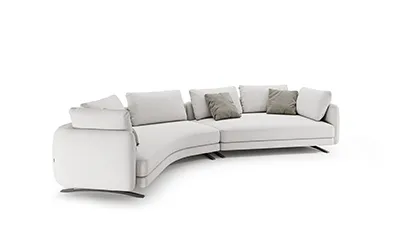
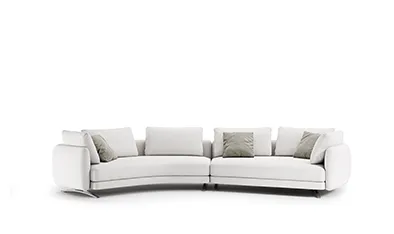
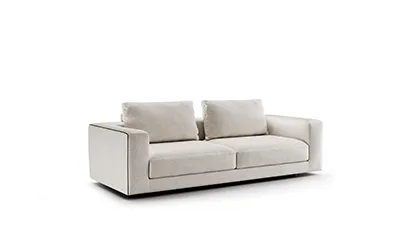
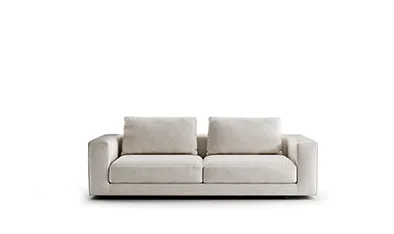
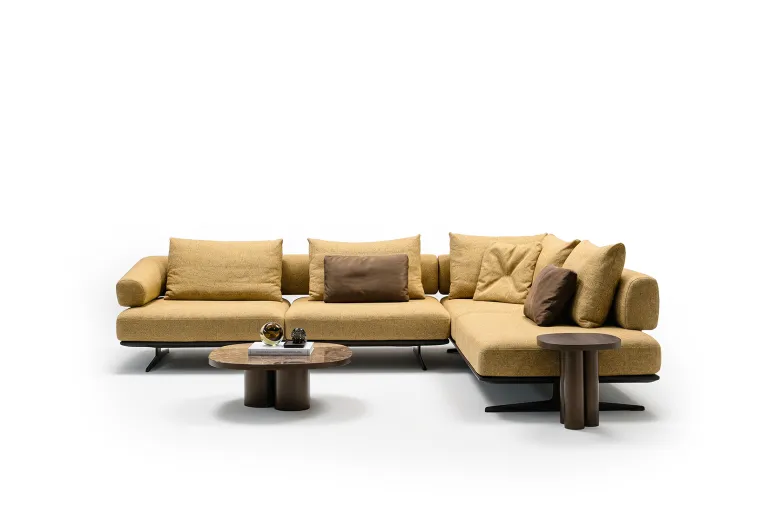
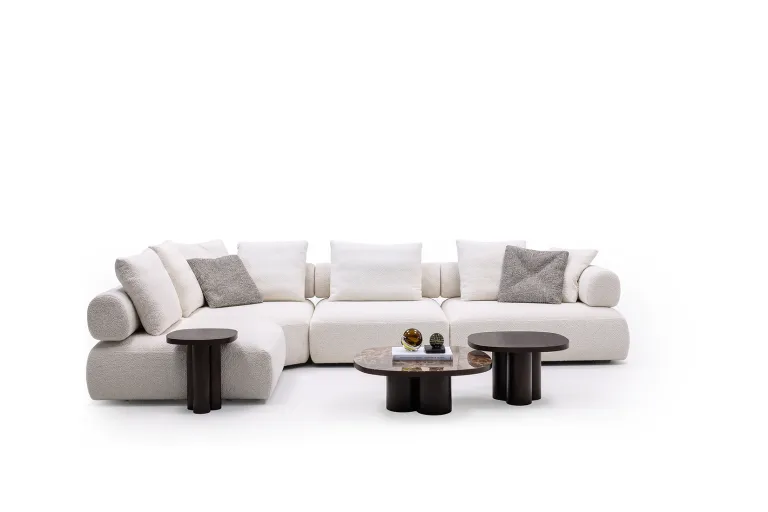
Visiting a showroom is a critical step in the journey toward owning high-end furniture. While digital galleries provide aesthetic inspiration, the physical experience of “test-sitting” allows you to evaluate the ergonomic engineering that defines a premium piece. Selecting a sofa or armchair is a long-term investment, and understanding how a frame supports your body is essential to achieving lasting comfort in your home.
Beyond the Initial Surface Feel
When you first sit on a sofa, the immediate sensation is often one of welcoming softness. However, true comfort is found in the layers beneath the upholstery. Designers at Olta focus on the internal composition – pairing high-resilience foam with natural feathers or down fillings – to ensure that the piece provides both initial “sink-in” comfort and long-term structural support.
During your visit, pay attention to the recovery of the cushions. A model such as Willow is designed for deep relaxation, featuring a seat depth of over 100 cm. When you stand up, a well-constructed cushion should begin to regain its form, indicating the quality of the internal fillings. If a seat feels too hollow or fails to provide resistance, it may not offer the necessary support for extended periods of “slow living.”

Ergonomics and Proportions
Every individual has a unique “comfort profile” based on their height and preferred sitting posture. A showroom visit allows you to test how different seat depths and backrest heights interact with your frame. For those who prefer an upright, supported position, the Hudson sofa offers precise tailoring and an ergonomic silhouette that maintains a sense of architectural discipline.
Conversely, if your lifestyle favors lounging, the Olta modular system – with its 103 cm seat depth – provides a more expansive environment. While testing these pieces, check the relationship between your knees and the edge of the seat; there should be no uncomfortable pressure. This physical trial is an artistic decision that ensures the furniture fits your body as perfectly as it fits your room’s dimensions.
Testing the “Hidden” Details
A premium piece of furniture should be equally impressive from every angle. In the showroom, take the opportunity to examine the rear and sides of the furniture. Designers at Olta ensure that every model is fully finished on all sides, making them ideal for central “island” placements.
The stability of the frame and the quality of the joints are often felt rather than seen. When testing a swivel piece, such as the Oval armchair, observe the smoothness and silence of the rotation. The mechanism should feel fluid and balanced, reflecting the high standards of modern engineering. Similarly, examine the legs of the Coco sofa; their solid stance and precise attachment are indicators of a piece built for longevity.

Practical Tips for Your Showroom Visit
- The 10-Minute Rule: Do not just sit for a few seconds. Spend at least ten minutes on a sofa to see how your body settles and if the support remains consistent.
- Bring Measurements: Ensure you know the dimensions of your living space to understand how the scale of a showroom model – which often looks smaller in a large hall – will translate to your home.
- Test Different Textures: Sit on various upholstery options. A structured weave may feel different from a smooth velvet, even on the same model, affecting your perception of softness.
FAQ
Q: Why does the same sofa feel different in the showroom than in a home?
A: Large showroom spaces with high ceilings can alter your perception of scale and acoustics. Additionally, showroom models are often “broken in” by many visitors, whereas a new sofa delivered to your home will feel slightly firmer initially as the high-resilience foam and feathers settle.
Q: How do I know if a seat depth is right for me?
A: If you prefer to sit with your feet flat on the floor, a standard depth is ideal. For those who like to tuck their legs up, a deeper model – such as Elixir – provides the necessary surface area to do so comfortably without feeling like you are sliding off the edge.
Q: How can I evaluate the quality of a sofa’s backrest?
A: Lean back fully and check for a balance between softness and support. A model like Goya provides a lower profile that encourages conversation, while other systems offer more vertical support for the neck and shoulders. Your choice should depend on whether you use the sofa primarily for socializing or for watching films.
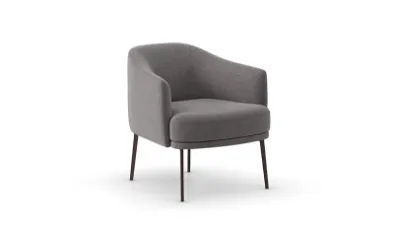
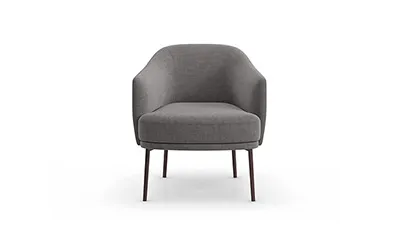
Q: Does the type of floor in the showroom affect the feel of the furniture? A: The floor affects the stability and “grip” of the piece. High-quality furniture features protective glides or solid steel legs – such as the brown- or black-painted steel on the Lenox armchair – which ensure stability and protect floors regardless of the surface.


In an era of mass-produced aesthetics, the most compelling interiors are those that reflect a personal narrative. Moving away from the “total look” of a furniture catalogue, modern designers now favor a blend of contemporary precision and the soulful imperfection of the past. By integrating a clean-lined sofa or armchair with curated vintage finds, you create a space that feels both timeless and deeply personal – a home that has evolved over years rather than being assembled in a single afternoon.
The Anchor of Modern Comfort
The foundation of a successful “lived-in” room is a high-quality contemporary anchor. While vintage seating may offer charm, it often lacks the ergonomic support required for daily use. Designers at Olta prioritize the balance of architectural form and physical well-being, providing the perfect base for eclectic styling.
The Willow sofa, with its substantial proportions and generous cushions, acts as a sophisticated canvas. Its clean, modern silhouette provides a necessary visual rest point that allows an antique wooden cabinet or a 1960s ceramic lamp to truly stand out. When the primary seating feels grounded and intentional, the surrounding vintage accessories feel like curated choices rather than clutter.
Contrasting Textures and Eras
A truly unique interior thrives on the tension between different materials. Pairing a sleek, contemporary piece with the weathered patina of an old find creates a sensory richness that a monochromatic, single-era room cannot achieve.
Consider the Coco armchair, noted for its refined and sculptural presence. Placing this modern seat next to a mid-century teak bookshelf or a hand-woven antique rug highlights the best qualities of both periods. This contrast is an artistic decision that brings energy to the space. Similarly, a modern sofa with soft edges – such as the Amalfi system – serves as the perfect complement to a home office featuring a classic vintage desk, balancing the sharp lines of traditional workspace furniture with welcoming, organic contours.
Bridging the Gap with Accessories
To unify a room filled with disparate eras, use materials that speak to both worlds. Natural wood and muted metallic finishes are universal design languages that harmonize the new with the old.
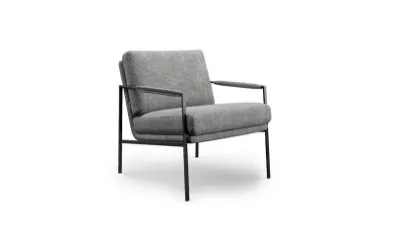
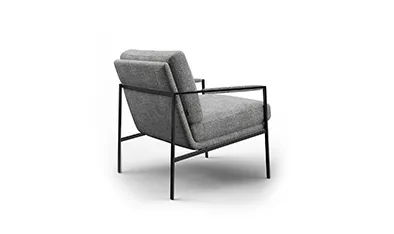
The Metro coffee table is an ideal tool for this integration. Available in light or dark oak finishes, its organic wood grain resonates with the materiality of vintage furniture while its minimalist frame remains firmly modern. This shared material palette creates a cohesive narrative across the room. Furthermore, incorporating the Grey armchair provides a functional link between zones; its structured form and precise detailing offer a muted, architectural presence that complements both a contemporary sofa and a rustic, aged sideboard.

Curating the “Lived-in” Balance
- The 80/20 Rule: For a balanced look, aim for 80% contemporary pieces to ensure the room feels functional and fresh, using 20% vintage accents to provide character and history.
- Vertical Interest: Use vintage art or mirrors to add height, while keeping the main seating, such as the Reverso sofa, low and grounded to maintain a sense of modern space.
- Tonal Harmony: Keep the color palette consistent across both new and old pieces to ensure the diverse styles feel like part of a single, unified vision.
FAQ
Q: Can I pair a modern modular sofa with an antique rug? A: Absolutely. A modular system – such as the Ritz – provides a clean, structured boundary that frames the intricate patterns and textures of an antique rug, making the floor a focal point of the room.
Q: How do I prevent a room with mixed styles from looking messy? A: Focus on the “flow” of the room. Designers at Olta suggest maintaining a clear 90 cm passage for walkways. When the functional layout is disciplined, the eclectic mix of furniture feels organized and intentional.
Q: Are modern fabrics compatible with the look of vintage textiles? A: Yes. The advanced weaves used on models like the Mistral sofa are designed to be tactile and rich. These textures pair beautifully with the heavy wools or linens often found in vintage décor, creating a sophisticated material layer.
Q: Is it possible to use a modern armchair at an old dining table? A: The Lenox armchair is a perfect candidate for this. Available with higher legs, it can transition from the living area to the head of a vintage dining table, blending modern ergonomic comfort with a historic setting.
Q: Which table works best in a room full of diverse, vintage objects? A: The Orio table series, with its minimalist black steel frames, is an excellent choice. Its unobtrusive design provides a functional surface without competing for visual attention, allowing your unique vintage finds to remain the stars of the arrangement.
Visiting a showroom for your new sofa is an exciting step toward creating your ideal living space. To make the most of this experience, it’s essential to ask the right questions and measure carefully to ensure the furniture fits perfectly and meets your comfort needs. Here’s a guide to help you navigate the showroom with confidence and acquire a piece that truly aligns with your lifestyle.
Understanding the Range of Models and Their Features
When exploring options, it’s important to approach each model with a fresh perspective. Instead of repeatedly referencing sofas like Stone or Reverso, consider how each piece’s unique qualities serve different needs:
- The Horizon provides a perfect example of how technical dimensions translate into daily comfort. Its generous seat depth makes it an ideal choice for taller individuals, as it offers full support for the thighs and prevents that uncomfortable feeling of being perched on the edge. This deep-seated design also invites a more relaxed, “slow living” style of lounging. When visiting a showroom, it is worth asking about the specific filling of the cushions to ensure that this spaciousness aligns with your personal preference for either soft, feather-based relaxation or more structured, foam-led support.
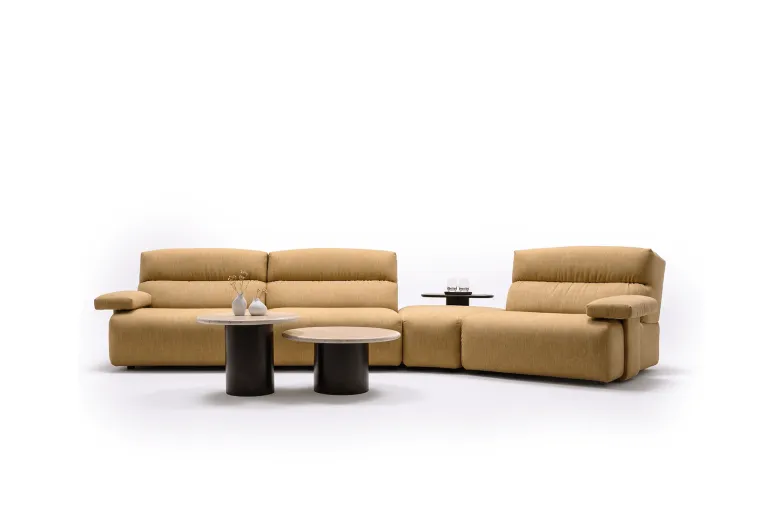
- The Anaga collection perfectly illustrates how modern design can adapt to the user’s immediate needs through functional versatility. Instead of a fixed silhouette, this model features adjustable headrests and armrests, allowing you to manually transition from a formal, upright seating position to a more relaxed, lounging posture. When testing this system in a showroom, pay close attention to the smooth operation of these mechanisms. It is the ideal solution for those who want a single piece of furniture to serve both as a supportive spot for reading and a comfortable space for evening relaxation, regardless of the user’s height.
- For those drawn to a minimalist, almost architectural aesthetic, the Goya sofa offers a distinct visual and ergonomic experience. Far from being a traditional or classic design, this model is characterized by its low-slung, monolithic silhouette that fits perfectly into contemporary, open-plan interiors. Since its construction relies on high-density foam without feather additions, it provides firm, resilient support—ideal for those who prefer stability over a deep “sink-in” feeling. In the showroom, it is worth observing how this solid structure maintains its precise shape even after use, which is essential for preserving its clean, modern lines over time.
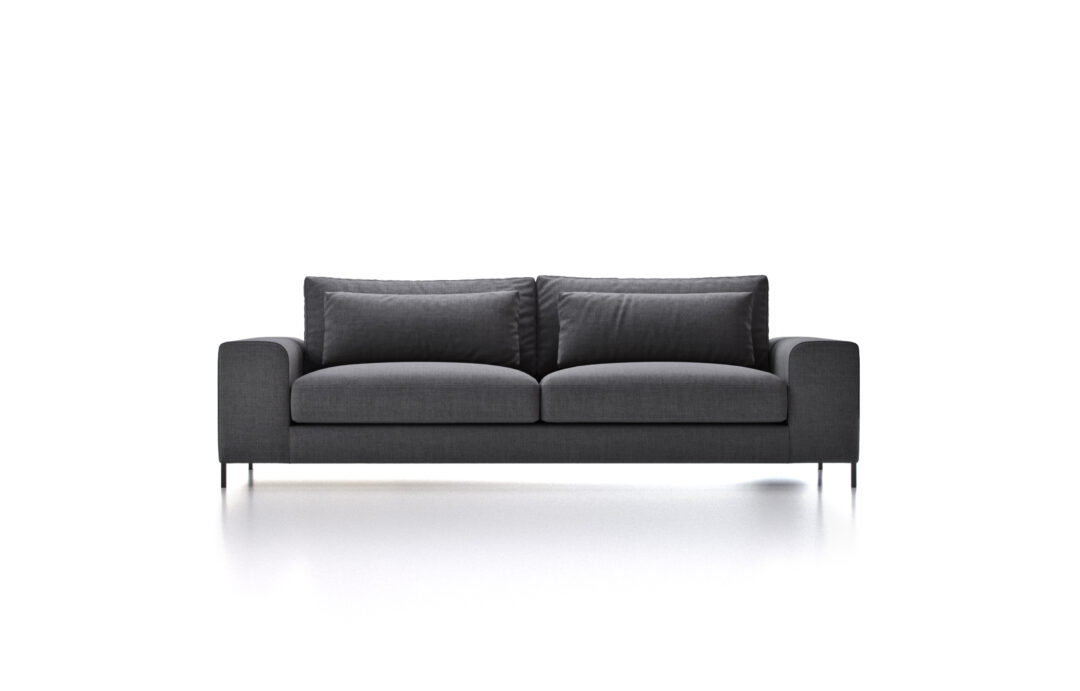
What to Measure Before Visiting the Showroom
Accurate measurements prevent surprises upon delivery. Use a tape measure to record:
- Room dimensions: Measure the space where the sofa will go, including width, depth, and height restrictions. Remember to check doorways, staircases, and elevator dimensions.
- Available space for the sofa:
- Ensure the sofa’s width, depth, and height fit comfortably without obstructing movement or other furniture.
- Seat depth and height:
- For comfortable seating, the seat depth should generally be between 55-70 cm. The seat height, usually around 41-45 cm, should align with your other furniture and ergonomic preferences.
- Clearance for movement:
- Leave at least 10-15 cm around the sofa for ease of access and cleaning.
Key Questions to Ask in the Showroom
To gain comprehensive insight, consider these questions:
What are the dimensions of the sofa?
- Measure both the overall size and internal spaces like seat depth (cm), height (cm), and width (cm). Confirm these match your available space.
Can I test the softness and support in person?
- Sit comfortably and test the cushions’ firmness or softness. Remember, softness is subjective, but personal testing is crucial.
What materials are used for the cushions and frame?
- Confirm if the foam includes memory or feathers for support, and whether the frame is constructed with European craftsmanship.
Does the sofa feature a low-profile or elevated design?
- The visual weight of a sofa is often defined by its base. You should decide between a low-profile, “floor sofa” aesthetic—where the frame sits almost directly on the ground—and a model elevated on higher legs. For instance, a sofa on slim, tall legs can make a smaller room feel more spacious by exposing the floor beneath it, whereas a low-profile design creates a grounded, cozy atmosphere. In the showroom, check how the height of the base influences both the overall look and the ease of cleaning underneath.
What fabric options are available?
- Ask for approved fabrics, especially those that are easy to maintain and suited to your lifestyle. It is highly recommended to ask the salesperson for a fabric sample to take home; this allows you to see how the color and texture behave under the specific lighting conditions of your own space, which can differ significantly from the showroom environment.
Does the sofa come with a warranty or certification?
- Inquire about warranty details, technical certifications, and whether the product is produced with sustainable practices.
Final Checks Before Buying
- Confirm all dimensions are in centimeters and match your measurements.
- Verify that the features you need—such as support support, removable covers, or specific foam types—are present in the model you choose.
- Avoid assumptions about features like built-in USB ports or storage compartments unless explicitly confirmed by the supplier.
- Check the support and support system’s technical specifications with the catalog or directly with the dealer.
- For international purchase, focus on European craftsmanship and produced-in-Europe quality standards.
Frequently Asked Questions (FAQ)
Q: How do I ensure the sofa will fit through my door?
A: Measure the widest points of the sofa (including armrests and backrest if possible) and compare these with door widths and stairwell dimensions. Remember to account for the packaging and delivery route.
Q: What support features should I look for?
A: Look for reinforced frames, high-density foam support, and support systems that match your comfort preferences. Ask about the support structure and materials used.
Q: Are all fabrics in the collection equally durable?
A: No, durability and stain resistance vary depending on the fabric composition. Natural fibers offer a classic, breathable feel but may require more careful maintenance. For high-traffic households, it is better to look for fabrics featuring technologies like Aqua Pure, which provides advanced stain resistance and easy cleaning. When discussing options with a consultant, ask about the Martindale count for durability and the specific fiber type that best matches your daily lifestyle.
Q: Can I customize the sofa’s configuration?
A: All OLTA collections are designed as modular systems, offering nearly limitless possibilities for customization. Whether you are interested in a compact straight sofa or an expansive corner arrangement, every model can be tailored to fit your specific room dimensions. In the showroom, you can discuss various module combinations to create a layout that perfectly matches your interior’s functional requirements.
Q: How do I verify technical features like foam support or fabric quality?
A: Always review the technical specifications in the product catalog or consult directly with the dealer to confirm features like memory foam support, fabric certifications, and technical support support.You can also chceck producer or seler website for technical sheets or online version of catalogue.
Selecting an armchair to accompany a sofa is more than a matter of color or pattern. The goal is harmony without uniformity—creating a seating arrangement that feels intentional and inviting while offering functional comfort. Understanding proportion, style, and ergonomics allows a space to feel cohesive without appearing staged.
Proportion first
An armchair should relate to the sofa in scale rather than mimic it exactly. For example, the Grey armchair presents a compact profile with a slightly angled backrest, making it ideal beside low-profile sofas such as Calypso. The differing height and depth create visual interest while maintaining a sense of balance.
Material and texture contrast
Introducing textural contrast enhances depth in a living area. Consider Ray, whose velvet upholstery introduces tactile variation alongside the structured, fabric-covered surfaces of sofas like Mistral. The interplay of materials communicates sophistication while remaining approachable. When mixing textures, ensure both pieces share a coherent color palette to prevent visual dissonance.

Shape and silhouette
Curved or geometric forms can complement rather than replicate existing furniture. Oval’s rounded contours, for instance, soften the angular lines of a sofa such as Hudson, producing a dynamic but balanced composition. Conversely, pairing angular armchairs with modular sofas—Reverso, for instance—creates rhythm through deliberate contrast, emphasizing architectural qualities in both pieces.
Ergonomic alignment
Comfort should never be sacrificed for aesthetic coherence. Seat height, depth, and armrest positioning must align to support natural posture. Armchairs like Kelly or Grey Wood are designed with ergonomic backrests and adequate seat depth, making them functional companions to various European-crafted sofas. Users can sit, relax, or engage in conversation without awkward adjustments.

Practical pairing tips
- Measure first: Ensure the chair’s seat height complements the sofa (typically within 2–3 cm).
- Mix materials thoughtfully: Contrast fabrics or leathers to create depth.
- Consider the room’s flow: Armchairs should allow free movement around the sofa without crowding the space.
- Use accent accessories: Cushions or throws can tie the pieces together subtly without forcing uniformity.
Crafting a Living Space That Feels Complete
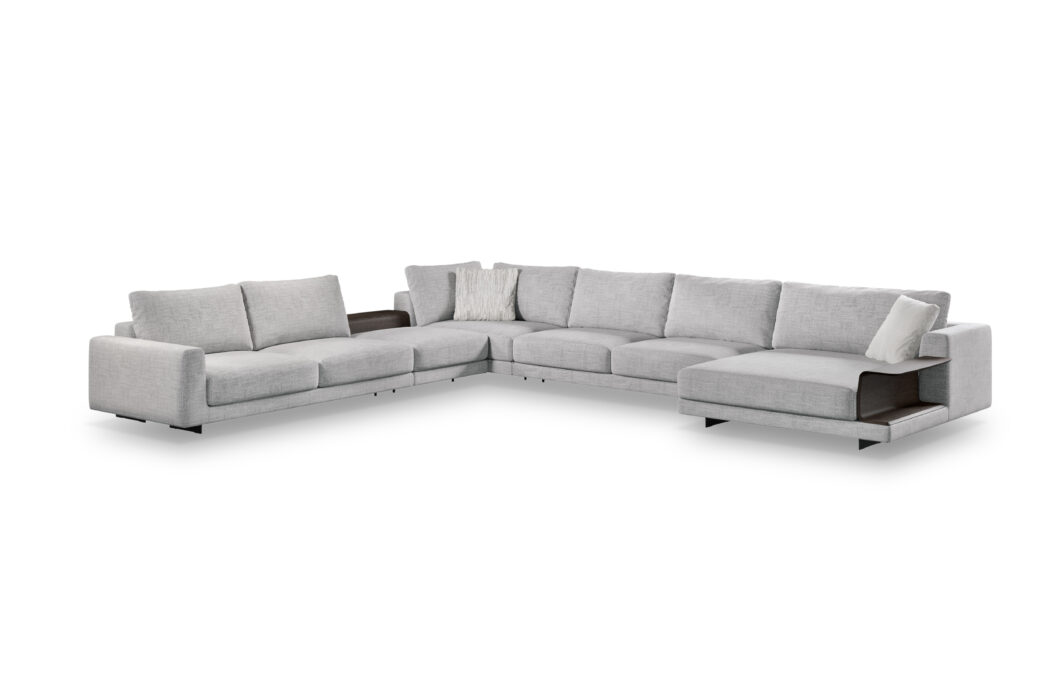
Choosing the right armchair is the final piece in creating a living area that feels both balanced and inviting. When proportion, texture, and ergonomics are carefully considered, an armchair does more than occupy space—it interacts with the sofa, encourages conversation, and enhances everyday comfort. By selecting pieces that complement rather than duplicate one another, you introduce subtle layers of design that reflect thoughtfulness and European craftsmanship. Whether it’s the curved elegance of Oval beside the structured lines of Hudson or the compact Grey paired with a modular Calypso configuration, the result is a harmonious yet dynamic seating arrangement. Remember, a well-chosen armchair does not compete with your sofa; it completes the story of your living space.
FAQ
Can an armchair be entirely different from my sofa?
Yes. As long as proportions, color harmony, and ergonomics are considered, differences in shape or texture enhance the overall aesthetic.
Is matching upholstery necessary?
No. Complementary colors or textures often produce a more sophisticated, layered look than strict matching.
How do I ensure ergonomic comfort?
Compare seat height and depth between the sofa and chair. Aim for armrests at a compatible height and backrests that support upright or relaxed postures.
Should style contrast be subtle or bold?
Both approaches can work. Subtle contrasts—like pairing Lenox with Stone—offer quiet elegance, while bold contrasts—such as Grey with Goya—create visual interest.
Are there armchairs better suited for modular sofas?
Compact designs with flexible silhouettes, such as Coco or Ray, adapt well to modular configurations without disrupting seating flow. Both armchairs are available in two size options, allowing you to proportionally match the armchair to the scale of the sofa and maintain visual balance regardless of the chosen configuration.
Creating a cohesive interior no longer means purchasing a complete furniture set from a single collection. OLTA encourages a more thoughtful approach: combining sofas, armchairs, and tables across collections to reflect how people truly live. When proportions, materials, and scales are aligned, mixed arrangements feel intentional rather than accidental.
Start with a Sofa as the Anchor
Every composition begins with a central element. Ritz and Hudson sofas offer clearly defined forms that work well as visual anchors. Their balanced proportions make them compatible with a wide range of complementary pieces, allowing the sofa to set the rhythm without dominating the space.

Introduce Contrast Through Seating
Once the main sofa is in place, contrast adds character. Armchairs such as Ray—with its sculptural silhouette—or the more compact Kelly can be positioned independently, creating flexible seating zones. Instead of mirroring the sofa, these pieces introduce variation while maintaining visual coherence through shared material palettes.

Coffee Tables as Functional Connectors
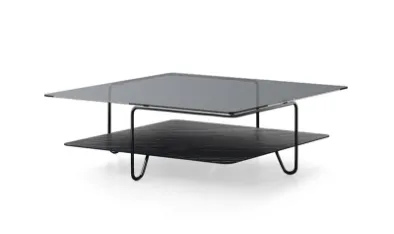
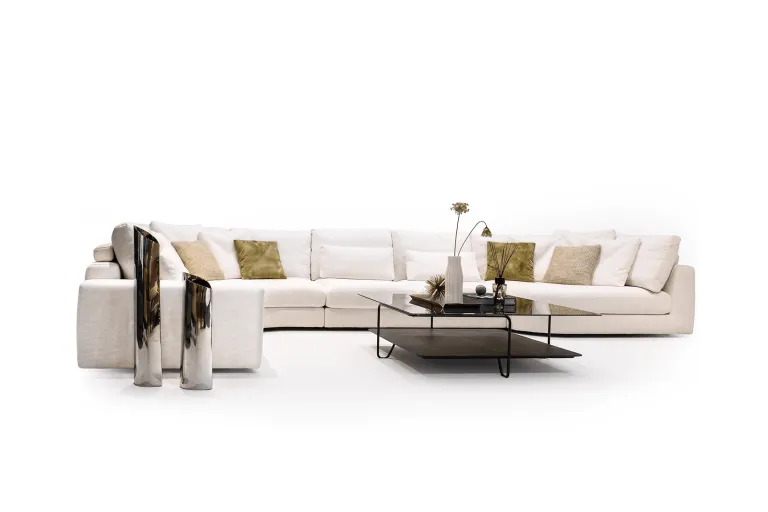
Tables play a crucial role in tying different elements together. The Metro coffee table, for instance, offers restrained geometry that pairs well with both structured and softer seating forms. In larger layouts, combining it with Orio allows for layered functionality, adapting the arrangement to everyday use without overcrowding the space.
Modular Thinking Beyond the Sofa
Mixing does not stop at individual pieces. Modular systems—Diva’s clean-lined modules, for example—can be paired with standalone furniture to create hybrid layouts. This approach works especially well in open-plan interiors, where the sofa defines zones while armchairs and tables provide flexibility.
Balance Scale and Distance
Successful mix-and-match interiors rely on proportion. Maintain consistent seat heights and allow clear circulation paths measured in centimeters. Thoughtful spacing ensures that each piece retains its function while contributing to a unified whole.
Practical Guidelines for Mixing OLTA Pieces
- Choose one dominant form and let other elements play a supporting role
- Repeat materials or finishes to maintain visual continuity
- Use tables to bridge differences in sofa and armchair geometry
FAQ
Can OLTA pieces from different collections be combined?
Yes. OLTA designs its collections with compatible proportions, making cross-collection combinations both functional and visually consistent.
Is it better to mix within one category or across categories?
The most balanced interiors often combine both—pairing a sofa from one line with armchairs and tables from others.
Do mixed arrangements work in smaller spaces?
Yes. Compact pieces such as Kelly or streamlined tables like Metro are well suited to limited interiors.
Are OLTA products produced in Europe?
Yes. All pieces reflect European craftsmanship and design quality.
Choosing the right sofa color can transform your living space from ordinary to extraordinary. Yet many homeowners hesitate, paralyzed by the fear of making the wrong choice. The truth is, with the right approach, selecting sofa colors becomes an exciting opportunity to express your style while creating a space that serves you for years to come.
Understanding your space’s foundation
Before falling in love with any particular shade, assess your room’s existing elements. Natural light plays a crucial role – north-facing rooms benefit from warmer tones like terracotta or cream, while south-facing spaces can handle cooler blues and greys beautifully. Consider your flooring, wall colors, and architectural details. Models like Maxwell or Avant work exceptionally well as neutral anchors, allowing you to experiment with colorful accessories without overwhelming the space.

The psychology of sofa colors
Colors influence mood and energy levels more than we realize. Deep blues and forest greens, perfect for pieces like Hudson or Onyx, create calming retreats ideal for relaxation and reading. Warm greys and beiges offer sophisticated neutrality – think Elixir or Oxygen collections – providing a serene backdrop that adapts to seasonal décor changes. Bold colors like burgundy or navy make powerful statements but require confident styling.

Practical considerations for long-term satisfaction
Color Durability Factors:
- Light colors show dirt and wear more quickly but create spacious, airy feelings,
- Medium tones like charcoal or taupe offer the best balance of practicality and style,
- Dark colors hide stains well but can show pet hair and dust,
- Textured fabrics in collections like Stone or Reverso camouflage wear better than smooth surfaces.
Consider your lifestyle honestly. Families with young children might prefer forgiving colors in durable fabrics, while empty nesters can explore lighter, more delicate options. Modular systems offer flexibility – individual modules can be reupholstered in different colors over time, allowing gradual style evolution.
Timeless vs. Trendy: making smart choices
Investing in quality pieces like those from OLTA’s collections means thinking long-term. Classic colors – whites, greys, navy, and warm beiges – provide enduring appeal and easier restyling options. These work beautifully in models like Amalfi or Horizon, creating sophisticated foundations that welcome seasonal accent changes.
If you crave color, consider the 80/20 rule: 80% neutral base with 20% personality through accent pieces. This approach lets you experiment with trendy colors through cushions, throws, and artwork while keeping your major investment piece timeless.
Working with existing décor
Your sofa should harmonize with, not compete against, other furnishings. If you have a colorful rug or bold artwork, choose sofas in complementary neutrals. Pieces in muted tones can ground vibrant spaces beautifully. Conversely, if your space feels too neutral, a colored sofa becomes the perfect focal point – perhaps a rich cognac leather in Ritz or a deep green velvet in Mistral.

Testing colors with confidence
Never choose colors from small swatches alone. Request larger samples and observe them in your space at different times of day. Natural and artificial lighting dramatically affects color perception. Many OLTA collections offer extensive fabric options, allowing you to find the perfect shade that works with your specific lighting conditions.
Consider creating a mood board with your chosen sofa color alongside existing room elements. This visual exercise often reveals harmonies or conflicts you might miss otherwise.
The flexibility advantage
Olta furniture is available in a wide range of fabrics with various textures and in many different colors. Mix complementary tones within the same arrangement – perhaps combining cream and grey modules for subtle visual interest. This approach creates depth while maintaining cohesion, perfect for contemporary interiors that value both comfort and style.
FAQ
Q: Should I choose a sofa color based on current trends? A: Base your choice on timeless appeal and personal preference rather than trends alone. Quality OLTA pieces are long-term investments – choose colors you’ll love for years. You can always incorporate trends through easily changeable accessories.
Q: How do I know if a bold color will work in my space? A: Test the color against your existing décor using large fabric samples. Bold colors work best when they complement rather than clash with your room’s undertones.
Q: What’s the safest color choice for a high-investment sofa? A: Medium-toned neutrals like warm grey, taupe, or navy offer the best balance of style, practicality, and longevity. These colors hide wear well while providing sophisticated foundations for various decorating styles.
Visiting a furniture showroom should be exciting, not overwhelming. The right preparation transforms browsing into focused decision-making, helping you find pieces that truly work in your space. Here’s your essential checklist for a productive showroom visit.
Room measurements and floor plan
Never leave home without accurate measurements. Bring your room dimensions, doorway widths, and ceiling heights. A simple floor plan sketch showing windows, doors, and existing furniture helps visualize how your dream furniture will fit. Measure twice – many showroom disappointments stem from pieces that look perfect but won’t fit through the front door.
Include measurements of your current seating to compare comfort levels. For example, models like Spectra or Oxygen have specific seat depths and heights that may differ significantly from your existing furniture.

Visual references from your space
Photos speak louder than descriptions. Bring images of your room from multiple angles, including close-ups of existing colors, textures, and finishes. This helps showroom consultants suggest complementary pieces and identify whether that beautiful Onyx sectional will harmonize with your décor or clash dramatically.

Include shots of your lighting – both natural and artificial. Colors and fabrics can look completely different under showroom lights versus your home environment. To make sure the furniture will be in the right color, you can also ask a showroom consultant for fabric samples and check how they look in your own interior.
Material and color samples
Essential Samples to Bring:
- Paint chips from your walls
- Fabric swatches from existing furniture or curtains
- Wood samples from flooring or furniture finishes
- Metal finishes from hardware or light fixtures
These references ensure color coordination and help you evaluate how different fabric options in Olta collections will work with your existing palette.
Budget parameters and timeline
Set realistic budget ranges including delivery and setup costs. Quality pieces like those in OLTA collections are investments – knowing your limits helps focus on appropriate options without uncomfortable surprises.
Consider your timeline too. Custom orders and specific fabric choices can extend delivery times significantly.
Strategic questions for maximum value
Prepare specific questions about construction quality, warranty terms, and customization options. Ask about fabric durability, frame materials, and maintenance requirements. For modular systems, understand expansion possibilities and individual component replacement options.
Inquire about delivery logistics, especially for larger pieces or challenging access points.
Making the most of your visit
Test every piece thoroughly. Sit in different positions, lean back, get up and down multiple times. Comfort that feels good for five minutes in a showroom needs to work for hours at home. Our armchairs Kelly or Grey might surprise you with their ergonomic differences.

Don’t rush decisions. Quality furniture purchases deserve careful consideration. Take notes, photos (if permitted), and fabric samples for home comparison.
Beyond the basics
Consider bringing a friend with honest opinions and different physical dimensions. What feels comfortable to you might not work for other family members. Someone else’s perspective can reveal blind spots in your decision-making.
If working with a designer, bring their contact information and any specific requirements they’ve outlined.
FAQ
Q: Should I bring my partner or family members to the showroom? A: Yes, especially for major pieces. Different body types experience comfort differently, and family members may have practical insights you’ve overlooked. However, limit the group to key decision-makers to avoid confusion.
Q: How long should I plan to spend in the showroom? A: Allow 2-3 hours for thorough evaluation, especially when considering major purchases like sectionals or multiple pieces. Quality decisions can’t be rushed, and you’ll want time to test comfort thoroughly.
Q: What if I like something but want to think about it? A: Most reputable showrooms encourage thoughtful decisions. Ask about hold policies, take detailed notes and photos, and request fabric samples. Quality pieces deserve careful consideration rather than impulse purchases.
When choosing living room furniture, we often focus on appearance over comfort. But understanding what creates lasting comfort helps you invest in pieces that enhance daily life for years.
Construction quality: the invisible foundation
Solid hardwood frames provide stability and prevent sagging over time. Quality joinery ensures the frame won’t loosen with regular use.
Professional support systems ensure even weight distribution and long-lasting comfort. Combined with solid hardwood frames, these systems maintain their properties for years of daily use.
Cushion composition: finding your perfect feel
High-density foam provides structure and prevents sagging, while down and feathers add softness and adaptability. Olta’s approach combines memory foam with natural feathers, creating cushions that conform to your body while maintaining shape over time.
Ergonomic proportions matter
Proper seat depth allows comfortable sitting without cutting circulation behind knees.
Appropriate back height supports your spine without restricting movement.
Collections like Amalfi and Maxwell demonstrate how refined proportions create comfort through carefully calculated dimensions for both upright sitting and relaxed reclining.

Fabric choice affects daily comfort
Breathable fabrics prevent overheating during extended use, while appropriate texture provides grip to prevent sliding. Consider how fabric interacts with your routine – smooth surfaces for formal sitting, textured materials for stability while reading or working.
Modularity for real-life needs
Modular systems like Goya or Oxygenadapt to different activities and space requirements. This flexibility ensures your furniture serves current needs rather than limiting options.

Size and scale for your space
Proper scale affects psychological comfort as much as physical comfort. For smaller spaces, Grey or Ray armchairs provide full comfort without dominating. Larger areas benefit from substantial pieces like Onyx or expansive modular arrangements.
Long-term comfort considerations
Quality construction maintains comfort properties over time while cheaper alternatives often disappoint as they age. Consider maintenance too – removable cushion covers and quality details ensure your investment remains comfortable and attractive.
FAQ
Q: How do I know if a sofa will remain comfortable after years of use?
A: Look for solid hardwood frames, professional support systems, and premium foam and feather combinations. Olta’s construction techniques in Onyx and Elixir collections maintain comfort properties even with intensive daily use.
Q: What’s the difference between modular and classic sofas for long-term comfort?
A: Modular systems like Goya and Oxygen offer adaptability – reconfigure for different activities and replace individual elements if needed. These can include both individual modules and complete sofa units that work as part of a larger system. Classic pieces like Amalfi provide consistent, refined comfort with elegant fixed proportions and traditional single-piece construction.
Q: How important is seat depth for daily comfort?
A: Seat depth is crucial for proper circulation and posture. Olta’s collections feature carefully calculated proportions that accommodate different body types while maintaining ergonomic support for extended use.