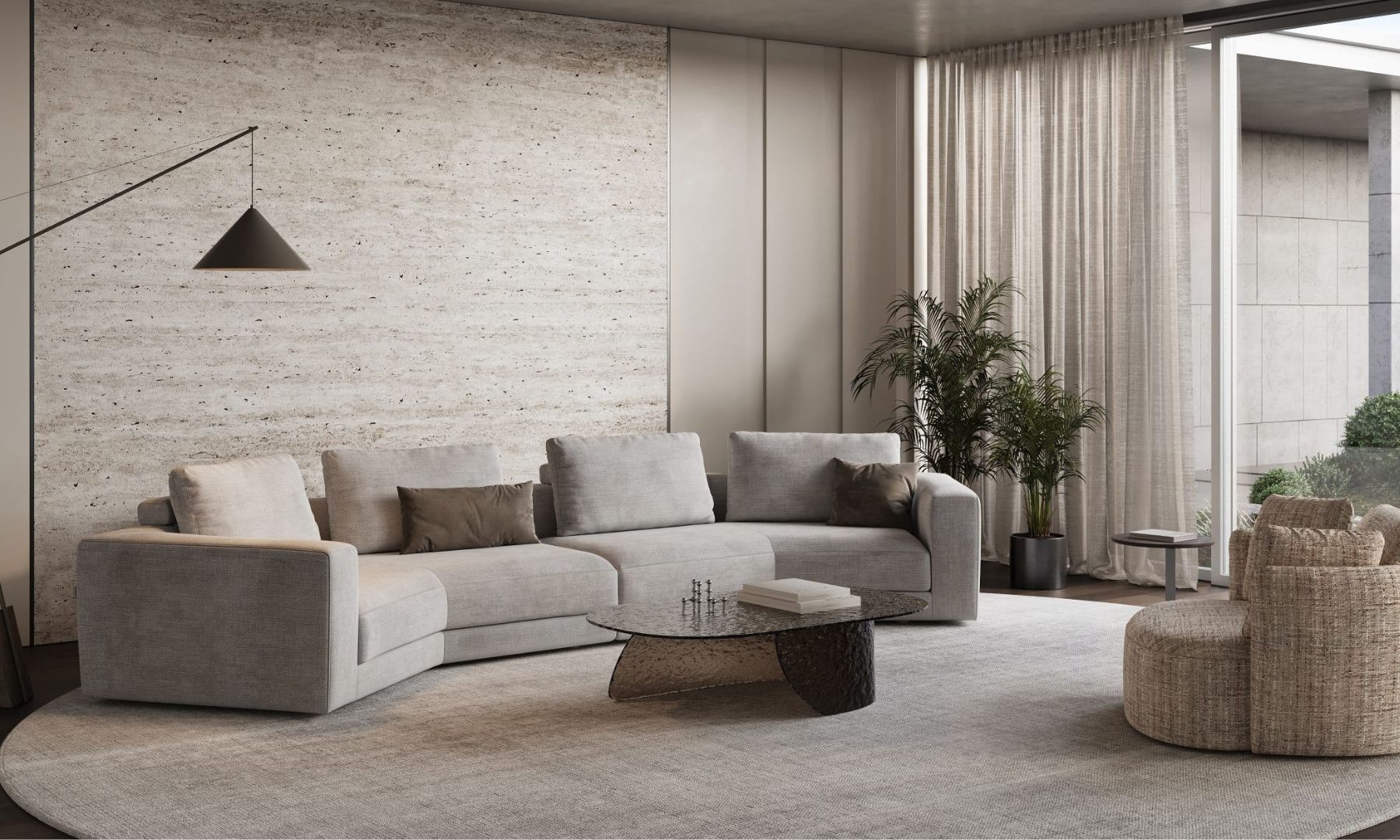

The traditional layout of the luxury home has undergone a significant architectural shift. While the open-plan living room remains the energetic hub for social gathering and family interaction, it often lacks the quiet isolation required for true mental restoration. In response, contemporary residential design has repurposed the main bedroom, transforming it from a strict sleeping quarter into an expansive, multi-functional sanctuary. At the center of this spatial evolution is the strategic placement of a statement armchair – a deliberate design choice that pulls the ultimate reading nook out of the public eye and places it firmly within a private refuge.
The Evolution of the Private Sanctuary
Modern architecture increasingly treats the master suite as a self-contained apartment within the home, incorporating dedicated dressing rooms, open en-suite bathrooms, and private seating zones. This layout acknowledges that luxury is defined as much by privacy as it is by space. Moving a premium armchair into this deeply personal environment alters how the room is utilized, encouraging owners to use the suite throughout the day rather than strictly after dark.
The physical placement of seating within the suite requires a deep understanding of spatial boundaries. Positioned near a floor-to-ceiling window or nestled into a quiet corner, a dedicated lounge piece establishes a secondary destination within the room. This zoning creates a clear psychological separation between the active areas of the house and a personal space dedicated entirely to quiet contemplation, fluid reading, or morning routines.
Engineering Comfort for Private Spaces
In a living room, furniture choices are frequently compromised by the need to accommodate large groups, leading to expansive modular setups. The master suite, however, allows for a highly individualized approach to comfort, focusing entirely on the personal physical requirements of the occupant.
The Coco armchair is engineered precisely for this type of intimate architectural setting. Featuring a highly functional swivel base, this model allows the user to smoothly alter their perspective without moving the footprint of the chair itself. A person resting in the bedroom can easily pivot toward the natural light of a window during the day, then rotate inward toward the warmth of a fireplace or the sleeping area in the evening. This effortless adaptability ensures the furniture remains integrated into the changing rhythm of a private sanctuary.

Material Selection and Architectural Texture
Because the master suite is a low-traffic environment compared to the main lounge, material choices can favor rich, delicate textures that invite physical touch. The fabric or leather applied to a bedroom armchair acts as a tactile anchor, softening the clean, rigid lines often found in modern architectural framing.
For suites that lean toward a clean, minimalist aesthetic, a fixed-leg design provides a sense of permanent architectural discipline. The Kelly armchair – supported by its distinctive, sturdily anchored metal legs – introduces a crisp, graphical silhouette to a bedroom corner. Specifying this model in a heavily structured, matte upholstery fabric creates a beautiful visual contrast against smooth hardwood flooring or plush carpets, adding a sophisticated layer of material depth without overcrowding the private layout.

Layout Strategies for the Bedroom Lounge
- Maintain the Clearance Radius: Ensure there is a minimum of 45 cm of open space around a swivel model to guarantee the backrest never interferes with bedroom cabinetry or drapery during rotation.
- Establish Independent Lighting: Position a low-profile floor lamp immediately behind the seating piece to create an independent pool of light, defining the lounge zone separate from the main bedroom illumination.
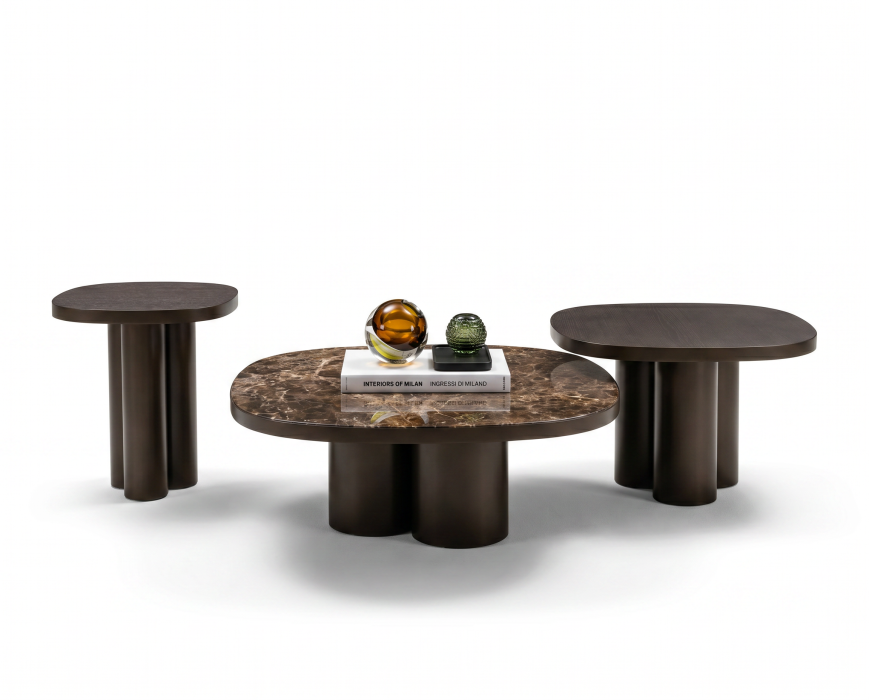
- Incorporate Flat Surfaces: Pair the armchair with a low-slung, architectural side piece – such as the Alba coffee table – to provide a stable, easily reachable surface for books or morning espresso.
FAQ
Q: Should the armchair fabric match the upholstery of the bed frame?
A: Not necessarily. While maintaining a cohesive color palette is important for a serene environment, varying the texture prevents the suite from looking like a rigid catalog layout. Pairing a smooth velvet bed frame with a highly textured weave on a Ray armchair introduces a necessary layer of visual depth.

Q: Can a large armchair overwhelm a standard-sized master bedroom?
A: It depends entirely on the frame's silhouette. A model with an elevated, structural base – such as the Kelly armchair with its slim metal legs – allows light to pass underneath the seat, creating an airy feeling that preserves the perception of floor space in smaller suites.
Q: What is the main functional benefit of a swivel base in a bedroom?
A: A swivel mechanism provides total spatial flexibility. It allows a single armchair – such as the Coco or Oval design – to face the bedroom window for morning reading, pivot toward the bed for conversation with a partner, or turn toward a television screen without the need to physically drag heavy furniture across the floor.
Q: How do I choose between a swivel chair and a fixed-leg armchair for a private suite?
A: Base your choice on the room's viewing angles. If your bedroom layout features a single, dedicated view – such as a fireplace or an art wall – a fixed-leg model is ideal. If the room features multiple focal points, a swivel base is the superior choice.
Q: How far should the armchair be placed from the bed?
A: To preserve natural walking pathways, maintain a minimum distance of 60 cm between the edge of the bed and the furthest extension of the armchair frame, ensuring fluid movement throughout the suite.