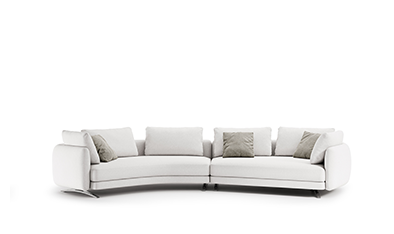
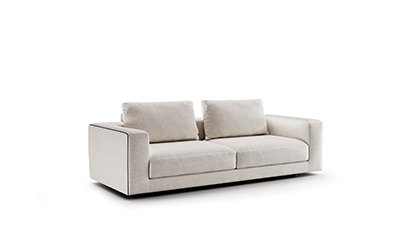
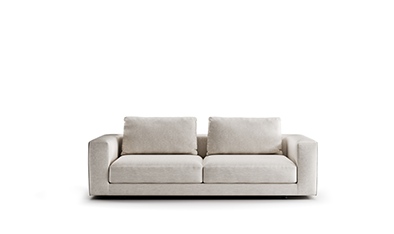
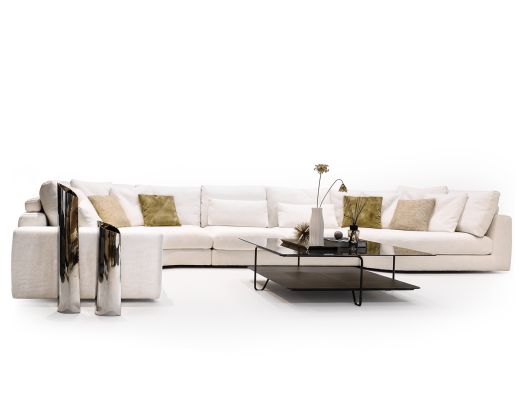
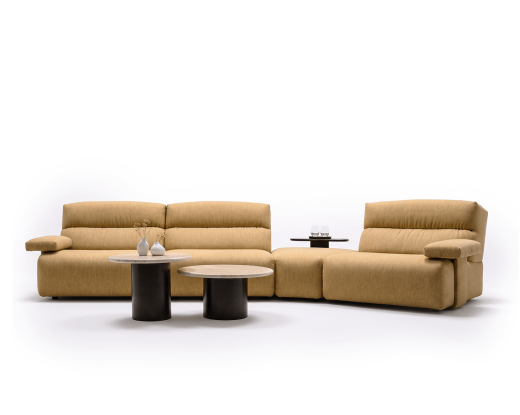
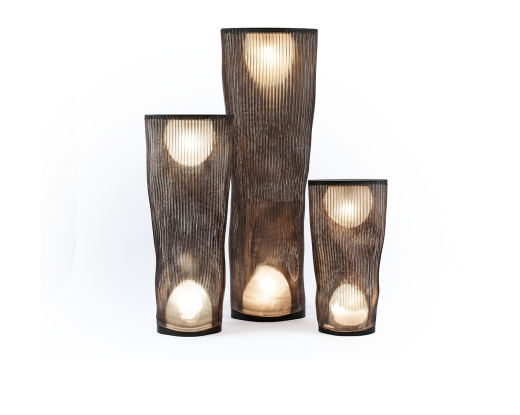
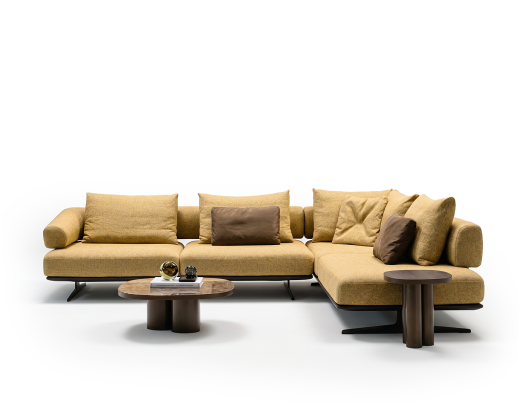
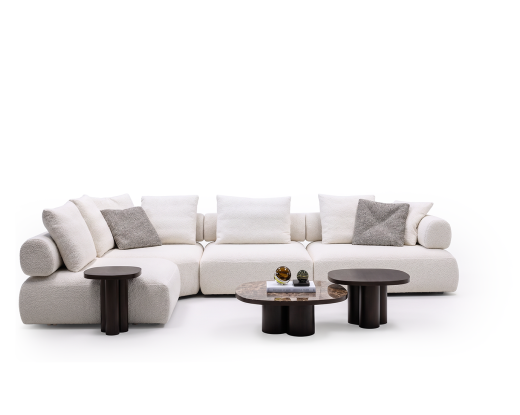
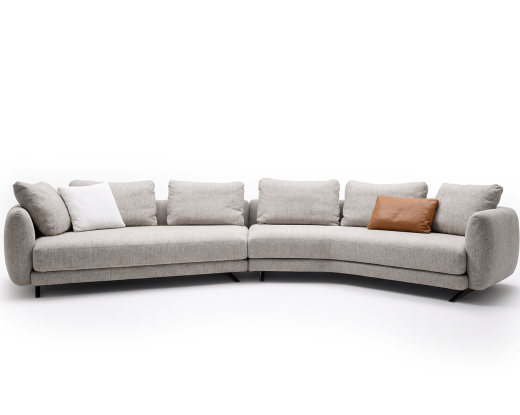
The rise of the “raw” interior trend brings natural materials into the spotlight, celebrating textures, organic forms, and understated elegance. Pairing Olta’s upholstery with natural stone and wooden coffee tables allows you to balance comfort with tactile authenticity in living spaces.
Sofas as Anchors of Texture
Take the WILLOW sofa, for instance—its deep 106 cm seating invites long, relaxed lounging, while the muted textile highlights the natural grain of a wooden table. In contrast, the MISTRAL modular system introduces flexible seating arrangements that complement irregular stone surfaces without overpowering them.
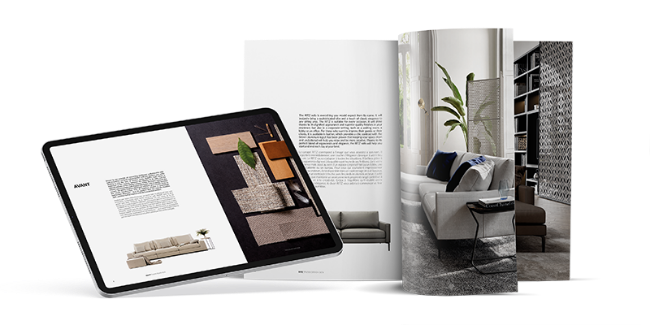
For a more sculptural statement, AVANT’s angular lines work beautifully next to minimalist coffee tables. Its 112 cm seat depth ensures generous comfort, making it ideal for family spaces where both form and function matter.

Coffee Tables that Ground the Space
Coffee tables serve as the tactile anchors of a lounge area, bridging the gap between soft upholstery and the architectural lines of the room. Olta’s TAXI table, crafted from solid wood, offers a robust and sturdy surface that highlights the organic beauty of natural timber. With its height ranging from 50 to 58 cm, it is a versatile piece that pairs naturally with textured linens or stoneware accents.
For those seeking a more cool, mineral touch, the ORIO table features a stone top that introduces a sophisticated material contrast. Pairing the solid, cool surface of stone with a soft, plush sofa creates a harmonious balance where structured elements meet relaxed comfort. These pieces are not just functional surfaces but essential elements that reinforce the “raw” aesthetic through their honest use of materials.

Chairs and Poufs for Layering
To create a multi-dimensional and functional interior, layer the space with accent chairs and versatile poufs. The GREY WOOD armchair is a perfect choice for this trend; its exposed wooden frame serves as a direct, cohesive link to other natural timber elements in the room, such as a coffee table or flooring. In contrast, the COCO armchair, with its soft and rounded silhouette, provides a gentle counterpoint to the rigid, cool surfaces of stone or marble, softening the overall look of the arrangement.

To complete the flow, incorporate the UNO pouf. Its simple, geometric form makes it an ideal informal seating option that can be easily repositioned beside a low stone table without obstructing the visual field. These additional layers allow the seating area to evolve organically around a central table, ensuring the space feels lived-in and thoughtfully curated.
Integrating Natural Materials
A practical way to achieve the “raw” look is to look for furniture that integrates natural materials directly into its structure. Instead of searching for separate pieces, consider modular systems that allow for built-in functionality. For example, the REVERSO and STONE models offer the unique possibility of incorporating integrated wooden shelves or dedicated side tables directly into the seating arrangement.
This seamless integration creates a clean, architectural flow while ensuring that the warmth of natural wood is physically connected to the comfort of the upholstery. It also solves the issue of proportions automatically; the built-in surfaces are perfectly scaled to the sofa’s silhouette. When choosing finishes, remember that raw wood with visible knots pairs beautifully with matte, textured fabrics, reinforcing the organic and honest character of a nature-inspired interior.
Color and Texture Play
Neutral upholstery shades—such as beige, warm gray, or muted earth tones—enhance the tactile appeal of natural wood and stone. The HORIZON collection, with its structured and disciplined silhouette, provides an excellent visual anchor when paired with the irregular, organic edges of a natural stone table. This interaction between the sofa’s precise lines and the raw, unpredictable patterns of the stone creates a sophisticated and balanced environment. To further elevate this look, choose matte, heavy-weave fabrics that mirror the honesty of the natural materials used throughout the room.
Practical Arrangement Tips
- Functional Zoning: Use a large pouf to delineate reading corners or separate conversational clusters. Because they lack a fixed backrest, poufs maintain an open line of sight while providing a flexible spot for lounging or placing a tray.
- Flow Maintenance: Maintain a distance of approximately 40–50 cm between the sofa and the coffee table. This ensures enough legroom and ease of movement while keeping the table surface within comfortable reach.
- Texture Contrast: Create visual depth by pairing textured textiles with polished stone surfaces, or smooth leathers with matte, raw wood. This interplay of surfaces prevents a monochromatic room from feeling flat, adding a sensory layer to the “raw” design theme.
Embrace the Raw Elegance
Bringing together Olta’s thoughtfully designed upholstery with natural stone and wood coffee tables is more than a stylistic choice—it’s a way to celebrate texture, comfort, and European craftsmanship in everyday living. By mixing modular systems, accent chairs, and versatile poufs, you create spaces that feel organic, inviting, and perfectly balanced. The “raw” trend isn’t just about materials; it’s about curating harmony between form and function, allowing your living room to be both a sanctuary and a statement.
FAQ
Q: Which sofa depths work best with stone coffee tables?
A: A: It depends on the desired lounging style. Deep models like WILLOW (with a 120 cm depth) or SAMOA (112 cm) pair beautifully with robust tables, creating a spacious and relaxed zone. To maintain ergonomic comfort and easy access to the surface, these sofas work best with tables like TAXI or ORIO, which offer heights between 50 and 58 cm.
Q: Can I mix multiple table materials in one space?
A: Yes. Combining wood and stone adds visual interest. Keep heights similar or stagger by 5–10 cm to maintain harmony.
Q: Are all Olta modular systems suitable for irregular table shapes?
A: Yes, the modular nature of our collections allows for great flexibility. Systems like RITZ or STONE are particularly adaptable because their configurations can be adjusted to create space for irregular stone or wood surfaces. Additionally, models like REVERSO allow you to incorporate wooden elements directly into the layout, ensuring that even the most organic table shapes feel like a cohesive part of the overall composition.
Q: How do I layer chairs and poufs without overcrowding the space?
A: To maintain a comfortable flow, aim for a clearance of approximately 50–60 cm between individual pieces. Accent chairs like COCO or GREY WOOD should be positioned as distinct seating spots that anchor the arrangement, while versatile poufs like UNO can be tucked into corners or placed closer to the coffee table. This layering approach provides flexible seating for guests without disrupting the room’s visual and physical pathways.
Q: Are there recommended upholstery colors for the “raw” trend?
A: Earth tones, soft pastels, and muted grays highlight natural stone and wood, enhancing texture contrast while keeping the space serene.
Buying a sofa is rarely a short-term decision. It often marks a life moment: a first independent apartment, a shared home, or a growing family space. The idea of a “forever sofa” is not about permanence in form but about adaptability. Modular design makes this possible by allowing one piece of furniture to evolve alongside its owners.
Stage One: The First Apartment
In compact living spaces, flexibility is essential. A modular sofa allows you to start small and avoid overwhelming the room. Take Willow system, for example—its clean proportions and compact modules fit comfortably into smaller interiors without sacrificing seating comfort. A simple two- or three-seat configuration can later become the foundation for something larger.

At this stage, it’s worth measuring:
- available wall length in cm
- circulation space (minimum 80–90 cm for comfortable movement)
- door and stair widths to ensure delivery access
Stage Two: Moving In Together
When lifestyles merge, seating needs change. Modular sofas allow you to reconfigure layouts to support everyday routines—movie nights, hosting friends, or simply stretching out after work. Adding a corner or chaise module increases seating without replacing the entire sofa.
Stone’s modular concept supports this transition naturally: existing elements remain, while new modules expand functionality. This approach reduces waste and keeps the interior visually consistent, an important principle in slow living.
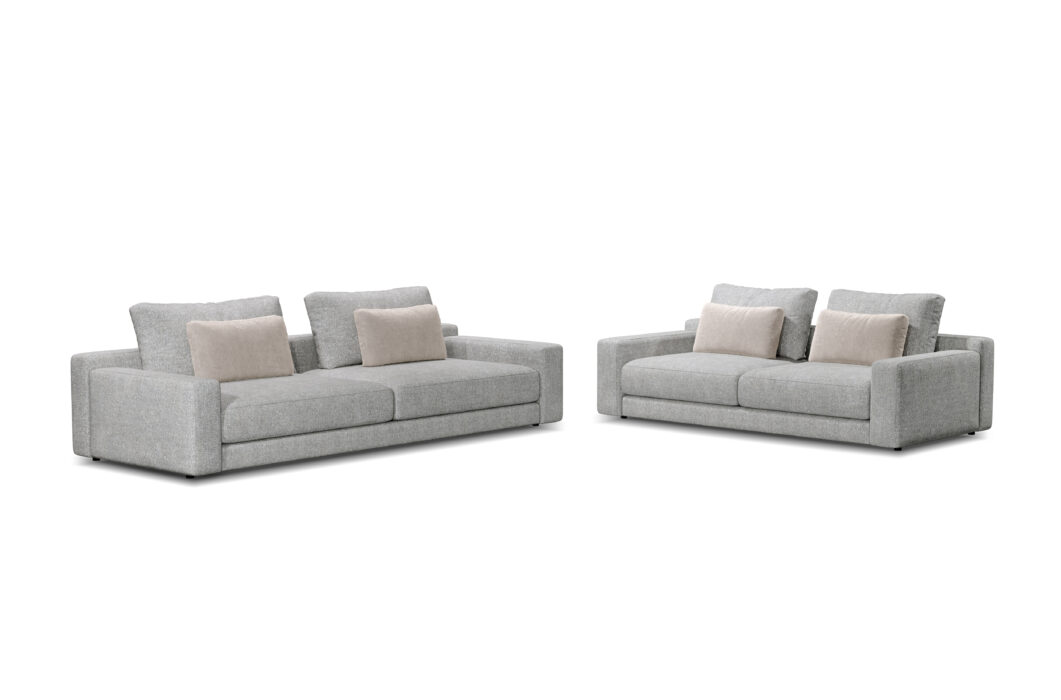
Stage Three: A Growing Family Home
As homes grow, durability and layout flexibility become priorities. Systems such as Amalfi or Horizon are designed to scale: more seats for family gatherings, clearer zoning between relaxation and social areas, and layouts that can change as children grow.
A larger living room often benefits from:
- deeper seating zones for relaxed lounging
- modular layouts that define space without walls
- configurations that can be adjusted as needs evolve
Rather than replacing furniture every few years, modularity allows you to adapt the same sofa to new realities.
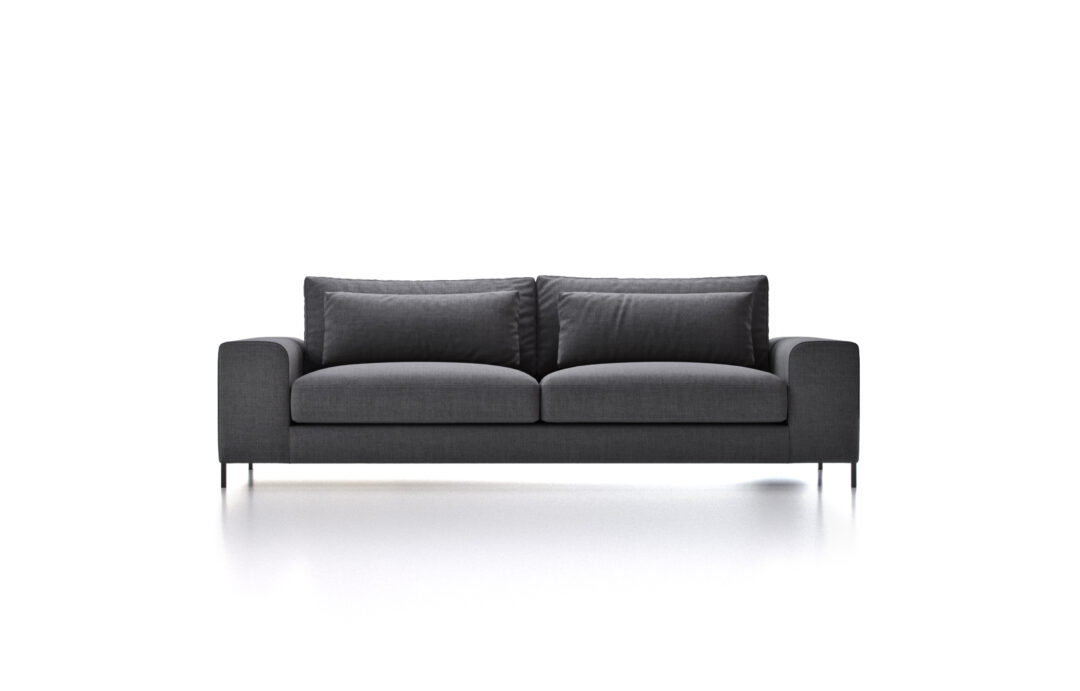
Why Modular Means Long-Term Thinking
Modular design is not about trends—it’s about longevity. European craftsmanship emphasizes quality structures, timeless proportions, and solutions that age well. Produced in Europe and inspired by refined design traditions, OLTA’s modular sofas are built to support long-term use rather than short-term replacement.
Practical Tips Before Choosing a “Forever Sofa”
- Measure your current space and anticipate future layouts
- Ask which modules can be added later
- Consider how seating zones might change over time
- Choose upholstery suited to everyday life, not just first impressions
One Sofa, Many Lives
A truly great sofa doesn’t belong to a single moment in time. It adapts quietly as life evolves—moving with you from a first apartment to a shared home and eventually into a space shaped by family and routine. Modular design makes this continuity possible, allowing comfort, proportion, and function to change without starting over. Choosing a “forever sofa” is less about predicting the future and more about preparing for it—thoughtfully, sustainably, and with confidence that your living space can grow at the same pace as you do.
FAQ: Modular Sofas and Life Changes
Can a modular sofa really last through multiple life stages?
Yes—provided the system allows adding, removing, and rearranging modules without replacing the core structure.
Is modular furniture suitable for small apartments?
Absolutely. Starting with fewer modules keeps proportions balanced, while future expansion remains possible.
What should I measure before buying?
Always measure room dimensions, access points, and circulation paths in centimeters. Planning ahead prevents costly mistakes.
Does modular mean compromising on aesthetics?
No. Well-designed systems maintain visual cohesion even as layouts change, supporting a calm, intentional interior over time.
Visiting a showroom for your new sofa is an exciting step toward creating your ideal living space. To make the most of this experience, it’s essential to ask the right questions and measure carefully to ensure the furniture fits perfectly and meets your comfort needs. Here’s a guide to help you navigate the showroom with confidence and acquire a piece that truly aligns with your lifestyle.
Understanding the Range of Models and Their Features
When exploring options, it’s important to approach each model with a fresh perspective. Instead of repeatedly referencing sofas like Stone or Reverso, consider how each piece’s unique qualities serve different needs:
- The Horizon provides a perfect example of how technical dimensions translate into daily comfort. Its generous seat depth makes it an ideal choice for taller individuals, as it offers full support for the thighs and prevents that uncomfortable feeling of being perched on the edge. This deep-seated design also invites a more relaxed, “slow living” style of lounging. When visiting a showroom, it is worth asking about the specific filling of the cushions to ensure that this spaciousness aligns with your personal preference for either soft, feather-based relaxation or more structured, foam-led support.
- The Anaga collection perfectly illustrates how modern design can adapt to the user’s immediate needs through functional versatility. Instead of a fixed silhouette, this model features adjustable headrests and armrests, allowing you to manually transition from a formal, upright seating position to a more relaxed, lounging posture. When testing this system in a showroom, pay close attention to the smooth operation of these mechanisms. It is the ideal solution for those who want a single piece of furniture to serve both as a supportive spot for reading and a comfortable space for evening relaxation, regardless of the user’s height.
- For those drawn to a minimalist, almost architectural aesthetic, the Goya sofa offers a distinct visual and ergonomic experience. Far from being a traditional or classic design, this model is characterized by its low-slung, monolithic silhouette that fits perfectly into contemporary, open-plan interiors. Since its construction relies on high-density foam without feather additions, it provides firm, resilient support—ideal for those who prefer stability over a deep “sink-in” feeling. In the showroom, it is worth observing how this solid structure maintains its precise shape even after use, which is essential for preserving its clean, modern lines over time.
What to Measure Before Visiting the Showroom
Accurate measurements prevent surprises upon delivery. Use a tape measure to record:
- Room dimensions: Measure the space where the sofa will go, including width, depth, and height restrictions. Remember to check doorways, staircases, and elevator dimensions.
- Available space for the sofa:
- Ensure the sofa’s width, depth, and height fit comfortably without obstructing movement or other furniture.
- Seat depth and height:
- For comfortable seating, the seat depth should generally be between 55-70 cm. The seat height, usually around 41-45 cm, should align with your other furniture and ergonomic preferences.
- Clearance for movement:
- Leave at least 10-15 cm around the sofa for ease of access and cleaning.
Key Questions to Ask in the Showroom
To gain comprehensive insight, consider these questions:
What are the dimensions of the sofa?
- Measure both the overall size and internal spaces like seat depth (cm), height (cm), and width (cm). Confirm these match your available space.
Can I test the softness and support in person?
- Sit comfortably and test the cushions’ firmness or softness. Remember, softness is subjective, but personal testing is crucial.
What materials are used for the cushions and frame?
- Confirm if the foam includes memory or feathers for support, and whether the frame is constructed with European craftsmanship.
Does the sofa feature a low-profile or elevated design?
- The visual weight of a sofa is often defined by its base. You should decide between a low-profile, “floor sofa” aesthetic—where the frame sits almost directly on the ground—and a model elevated on higher legs. For instance, a sofa on slim, tall legs can make a smaller room feel more spacious by exposing the floor beneath it, whereas a low-profile design creates a grounded, cozy atmosphere. In the showroom, check how the height of the base influences both the overall look and the ease of cleaning underneath.
What fabric options are available?
- Ask for approved fabrics, especially those that are easy to maintain and suited to your lifestyle. It is highly recommended to ask the salesperson for a fabric sample to take home; this allows you to see how the color and texture behave under the specific lighting conditions of your own space, which can differ significantly from the showroom environment.
Does the sofa come with a warranty or certification?
- Inquire about warranty details, technical certifications, and whether the product is produced with sustainable practices.
Final Checks Before Buying
- Confirm all dimensions are in centimeters and match your measurements.
- Verify that the features you need—such as support support, removable covers, or specific foam types—are present in the model you choose.
- Avoid assumptions about features like built-in USB ports or storage compartments unless explicitly confirmed by the supplier.
- Check the support and support system’s technical specifications with the catalog or directly with the dealer.
- For international purchase, focus on European craftsmanship and produced-in-Europe quality standards.
Frequently Asked Questions (FAQ)
Q: How do I ensure the sofa will fit through my door?
A: Measure the widest points of the sofa (including armrests and backrest if possible) and compare these with door widths and stairwell dimensions. Remember to account for the packaging and delivery route.
Q: What support features should I look for?
A: Look for reinforced frames, high-density foam support, and support systems that match your comfort preferences. Ask about the support structure and materials used.
Q: Are all fabrics in the collection equally durable?
A: No, durability and stain resistance vary depending on the fabric composition. Natural fibers offer a classic, breathable feel but may require more careful maintenance. For high-traffic households, it is better to look for fabrics featuring technologies like Aqua Pure, which provides advanced stain resistance and easy cleaning. When discussing options with a consultant, ask about the Martindale count for durability and the specific fiber type that best matches your daily lifestyle.
Q: Can I customize the sofa’s configuration?
A: All OLTA collections are designed as modular systems, offering nearly limitless possibilities for customization. Whether you are interested in a compact straight sofa or an expansive corner arrangement, every model can be tailored to fit your specific room dimensions. In the showroom, you can discuss various module combinations to create a layout that perfectly matches your interior’s functional requirements.
Q: How do I verify technical features like foam support or fabric quality?
A: Always review the technical specifications in the product catalog or consult directly with the dealer to confirm features like memory foam support, fabric certifications, and technical support support.You can also chceck producer or seler website for technical sheets or online version of catalogue.
In the world of contemporary furniture, versatility and adaptability have become essential qualities. For the modern consumer, a sofa is no longer just a functional object; it represents a personal experience tailored to individual comfort. The primary challenge for designers involves creating seating solutions that satisfy a wide spectrum of needs. This is especially true when housemates have contrasting tastes, where one person seeks firm, ergonomic support while another dreams of sinking into cloud-like softness.
Addressing the Comfort Spectrum
One effective approach to this challenge involves the development of modular sofas, which inherently offer spatial flexibility. The Stone system serves as a perfect example of this philosophy. Its reconfigurable modules allow users to create various seating depths and layouts in minutes, effectively tailoring the furniture to their current relaxation needs. Similarly, the Reverso collection features adaptable sections that can be assembled to create a spacious lounge area or a more structured seating arrangement. While each model maintains a consistent level of softness across all its components, the ability to personalize the configuration ensures that every user finds their ideal spot for resting.
Material Innovations for Personal Comfort
Material technology plays a crucial role in achieving this duality. The Elixir sofa provides a sophisticated example of this by combining high-resilience foam in the seat cushions with natural goose feather fillings in the backrests. This specific hybrid construction ensures that the body receives firm, structural support while sitting, while the lumbar and back areas can sink into the plush softness of the feathers. Such a functional division of materials allows a single piece of furniture to satisfy the need for both stability and cloud-like comfort simultaneously.

In another context, the Maxwell collection utilizes foam cores wrapped in high-quality fabric to offer a consistent, supportive feel. To enhance this experience, optional cushions and accessories enable further personalization of the lounging position. The key lies in this thoughtful layering, where internal composition and external accessories create a multi-level comfort experience.
Design Strategies: Balance and Personalization
Balancing various comfort expectations within a home requires a diverse portfolio rather than a single, universal solution. The Goya sofa, for instance, represents a more structured approach with its high-resilience foam, making it an ideal choice for those who prioritize ergonomic, firm support. In contrast, the Hudson model addresses the opposite end of the spectrum. Its goose feather filling and lower density construction create a soft, “sink-in” sensation for users seeking ultimate relaxation. This strategic variety in technical specifications allows consumers to select models that precisely match their individual definition of comfort while maintaining a cohesive, high-end interior design.

Practical Application of Models
The diversity of the OLTA collection allows for a precise match between a model’s technical build and the user’s lifestyle. For those who prioritize stability and a structured feel, Spectra stands out with its firm, high-resilience foam construction, offering consistent support throughout the day. If the goal is to find a middle ground between firmness and plushness, Samoa provides a balanced experience through its carefully layered foam composition.

For households where deep relaxation is the priority, the Willow sofa offers a different sensation entirely. Its design focuses on a “sink-in” comfort, utilizing a softer density that appeals to seekers of cloud-like softness. By understanding these technical distinctions, users can choose a model that serves as a dedicated comfort zone, perfectly aligned with their personal seating preferences.
Practical Recommendations for Consumers
When selecting a sofa for a household with diverse comfort preferences, the following factors should guide your decision:
- System Versatility: Modular collections (such as Stone or Reverso) provide significant spatial flexibility. While each system has a consistent softness level, the ability to reconfigure modules allows users to adjust the seating depth and layout to find their most comfortable position.
- Material Composition: It is essential to verify the internal filling of the furniture. If you prefer a structured feel, look for models with high-resilience foam cores. For those seeking a softer experience, models featuring natural goose feathers in the backrests (for example, the Elixir sofa) offer the perfect balance of support and plushness.
- Customization through Accessories: Personal comfort can be enhanced by utilizing optional cushions and headrests. These accessories allow individuals to modify their support levels even on a sofa with a uniform firmness profile.
- Portfolio Comparison: Instead of looking for a single compromise, compare different models. A firmer Spectra might suit a formal living room, while the exceptionally soft Willow could be the ultimate choice for a private cinema room or a relaxation-focused space.
Optimizing Multi-User Comfort: How One Sofa Can Satisfy Both Firm and Soft Preference Seekers
In essence, a single sofa can indeed cater to contrasting preferences, provided that the design emphasizes flexibility, material innovation, and modularity. European craftsmanship, combined with thoughtful engineering, ensures these pieces meet high standards of quality and adaptability, enabling diverse comfort experiences without compromising aesthetic elegance.
FAQ
Q: Can modular systems satisfy both firm and soft seating preferences?
A: Modular collections – including the Stone and Reverso series – are designed with a specific, consistent comfort level for each model. While the firmness remains uniform across all modules, the flexibility of these systems allows users to personalize their experience by adjusting the layout and seating depth, which often helps in finding a comfortable position for everyone.
Q: Is it possible to find a sofa that combines foam and feather fillings?
A: Yes, many European-designed models utilize this hybrid approach to enhance comfort. A prime example is the Elixir sofa, which features supportive high-resilience foam in the seat cushions for stability, paired with natural goose feathers in the backrests for a plush, sink-in feeling. This combination provides a sophisticated balance between structural support and softness.
Q: How do I choose a sofa that suits both firm and soft preferences?
A: Prioritize models with modular components, support zones, and materials that can be adjusted or combined. Test the furniture in showrooms to ensure the design meets your comfort needs.
Q: Is multi-user comfort achievable without sacrificing aesthetic appeal?
A: Yes. Many contemporary sofas blend ergonomic support with elegant aesthetics, utilizing high-quality materials and innovative design to satisfy diverse preferences.
Modern minimalism is more than an aesthetic; it is a way of living that values purposeful design, spatial clarity, and comfort without clutter. In contemporary interiors, clean lines and neutral palettes create calm environments, but comfort should never be sacrificed for simplicity. Thoughtful selection of furnishings – from sofas to armchairs and tables – can deliver a minimalist look while ensuring that every piece invites you to relax and dwell. European craftsmanship underscores this approach, where refined design meets ergonomic detail.
The Essence of Minimalist Comfort
Minimalist interiors thrive on restraint: limited decorative elements, clean geometric forms, and seamless spatial flow. However, minimalist furniture can still be deeply inviting. Consider the Willow sofa—its modularity allows you to tailor configurations for social lounging or intimate relaxation without disrupting a pared‑back palette, and its seat height of 42 cm supports ergonomic comfort.
Anchor Seating: Sofas that Elevate Minimalism
The beauty of simplicity is that each piece becomes intentional and meaningful.
- Willow sofa structures the living area with soft geometric forms that balance visual calm and tactile comfort. Its configurable modules adapt from 80 cm to 256 cm in width, enabling you to scale seating to the room without visual overload.
- In contrast, model Anaga offers adjustable headrests and supportive back layers that foster a more dynamic comfort profile while preserving minimalist lines.
- Take the Ritz sofa—a distinctly simple silhouette with high‑quality supportive construction that shapes comfort harmoniously within a restrained scheme.
Each of these sofas exemplifies how minimalist form and ergonomic features can coexist without unnecessary ornamentation.
Seating and Accent Pieces: Adding Depth Without Clutter
Minimalist interiors benefit from carefully chosen accent chairs and low‑profile tables that act as functional focal points.
An armchair such as Lenox complements minimalist seating arrangements by offering a compact footprint without compromising comfort. Selecting upholstery and finishes that match or subtly contrast the sofa fabric maintains visual continuity.

For surfaces, low‑slim tables should offer practicality without heaviness. Simple rectangular or round tops in light wood or matte finishes support activities—from holding a morning coffee to displaying a carefully curated book stack—while preserving clean sightlines.
Functional Layering with Tables
Introduce occasional tables as anchors for activity zones. A coffee table with a surface height around 40–45 cm encourages relaxed interaction without interrupting minimalist proportions. While surface choices are stylistic, prioritize sturdy materials and clean forms that articulate function through simplicity.
Practical Tips for Achieving a Minimalist yet Comfortable Space
1. Limit Visual Noise:
Select a restrained color palette—warm neutrals, muted tones, or soft earth shades—to reinforce calm spatial perception.
2. Prioritize Proportions:
Measure your seating and circulation zones carefully. Optimal distances between sofa edges and tables (around 45–60 cm) ensure ease of movement and practical use.
3. Layer Textures, Not Objects:
Introduce texture with upholstery and textiles rather than decorative knick‑knacks. A finely tailored sofa fabric and a subtle wool rug add comfort while maintaining minimalism.
FAQ—Minimalism and Comfort in Practice
Q: How do I maintain a minimalist aesthetic without making my space feel cold?
A: Invest in high‑quality seating with thoughtful upholstery and ergonomic design. Soft yet structured sofas with warm upholstery (e.g., Willow) and accent chairs with supportive cushions deliver human comfort within a minimalist aesthetic.
Q: Can modular seating work in small spaces?
A: Yes. Modular systems allow you to define zones efficiently and reconfigure seating as needs change. Choose compact modules for small rooms and keep clear pathways.
Q: What height should my coffee table be relative to my sofa?
A: Aim for surface heights that are about 40–45 cm to sit comfortably within reach of standard sofa seat heights to support everyday use without disrupting line of sight.
Q: Should minimalist rooms avoid color entirely?
A: Minimalism benefits from a limited palette, but soft hues and natural materials add warmth without compromising simplicity.
Sitting is one of the most repeated postures in daily life, yet its impact on physical and mental well-being is often underestimated. Contemporary ergonomics shows that comfort is not a matter of softness alone. It results from a precise relationship between body posture, seat geometry, and the internal structure of a sofa. OLTA approaches seating as a science grounded in European craftsmanship and a deep understanding of how the body rests, shifts, and recovers.
Ergonomics begins with proportions
A well-designed sofa supports the spine in a neutral position, distributes pressure evenly, and allows natural movement. This is achieved through carefully balanced seat depths, backrest angles, and armrest heights—all measured and engineered in centimetres to ensure consistency and repeatability.
Modular systems such as Willow and Anaga illustrate this approach clearly. Their layouts are conceived to adapt to different room sizes while maintaining stable seating proportions, ensuring that posture remains supported regardless of configuration. Rather than forcing the body to adapt, the design works with it.
The role of foam: resilience over time
Foam is the structural core of most contemporary seating, but its quality varies significantly. High-resilience foams are designed to respond to body weight gradually and recover their shape after use. This behaviour reduces pressure points in the hips and thighs and supports longer, more comfortable sitting sessions.
Take Maxwell, for example—its clean lines are supported by a structured seat construction that prioritises stability and controlled softness. The result is seating that feels supportive rather than yielding, an important factor for users who spend extended periods sitting, reading, or socialising.

Feather fillings and adaptive comfort
Where used, feather or feather-blend fillings contribute a different dimension of comfort. They offer surface adaptability, responding instantly to micro-movements of the body. This quality is particularly valued in back cushions, where subtle posture changes occur throughout the day.
Sofas such as Diva or Calypso are designed to accommodate this softer, more relaxed seating experience through cushion architecture that encourages gentle sink-in comfort without compromising overall support. The key lies not in excess softness, but in controlled layering.
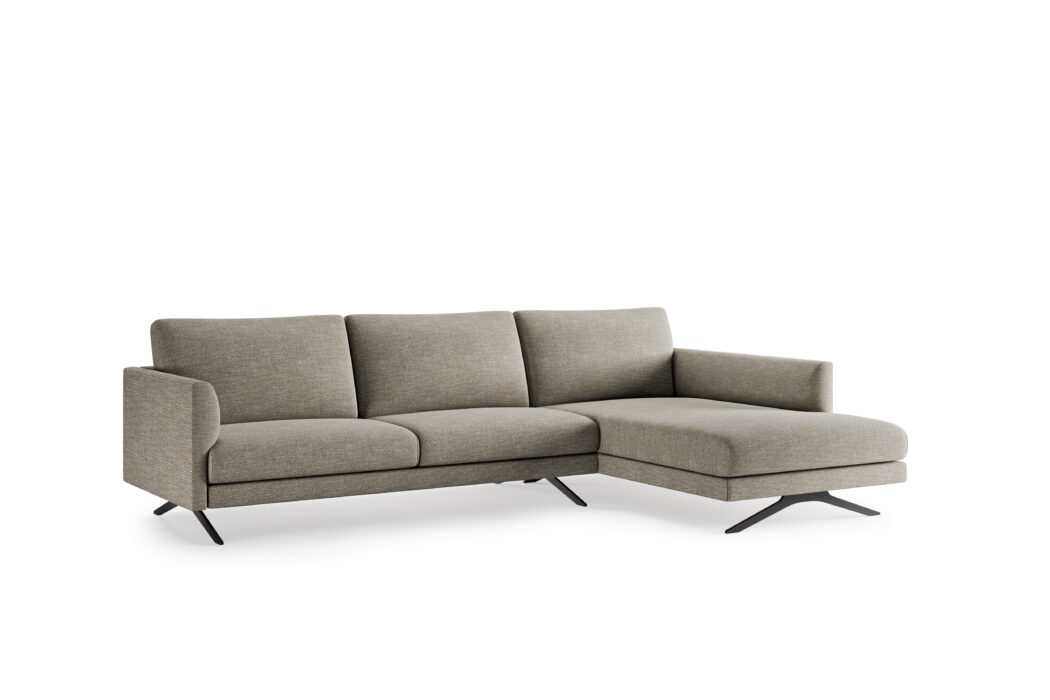
Movement, variation, and well-being
Ergonomic research emphasises the importance of small, frequent posture changes. Deep seats, flexible cushion compositions, and modular layouts all encourage this natural movement. Horizon A’s balanced proportions or Avant’s composed geometry demonstrate how thoughtful design can promote varied sitting positions—upright, reclined, or sideways—without strain.
Practical considerations when choosing a sofa
When evaluating seating for well-being, consider the following:
- Seat depth in relation to user height (measured in cm)
- Cushion structure and expected resilience over time
- Intended use: formal sitting versus relaxed lounging
- Possibility of reconfiguration without compromising ergonomics
A sofa is not a static object; it is a daily interface between the body and the home.
FAQ
Does a softer sofa always mean better ergonomics?
No. Excessive softness can reduce support and increase muscle fatigue. Ergonomic comfort depends on balanced resistance and pressure distribution.
Are feather fillings better than foam?
They serve different purposes. Foam provides structural support, while feathers add surface adaptability. The best results come from thoughtful combinations where appropriate.
How do I choose the right seat depth?
Your feet should rest comfortably on the floor while your back is supported. Seat depth should allow contact with the backrest without pressure behind the knees.
Does modularity affect comfort?
Not if designed correctly. Well-engineered modular systems maintain consistent seating geometry across configurations.
How long should quality fillings retain their properties?
High-quality foams and responsibly selected natural fillings are designed to perform consistently for many years under normal residential use.
Selecting an armchair to accompany a sofa is more than a matter of color or pattern. The goal is harmony without uniformity—creating a seating arrangement that feels intentional and inviting while offering functional comfort. Understanding proportion, style, and ergonomics allows a space to feel cohesive without appearing staged.
Proportion first
An armchair should relate to the sofa in scale rather than mimic it exactly. For example, the Grey armchair presents a compact profile with a slightly angled backrest, making it ideal beside low-profile sofas such as Calypso. The differing height and depth create visual interest while maintaining a sense of balance.
Material and texture contrast
Introducing textural contrast enhances depth in a living area. Consider Ray, whose velvet upholstery introduces tactile variation alongside the structured, fabric-covered surfaces of sofas like Mistral. The interplay of materials communicates sophistication while remaining approachable. When mixing textures, ensure both pieces share a coherent color palette to prevent visual dissonance.

Shape and silhouette
Curved or geometric forms can complement rather than replicate existing furniture. Oval’s rounded contours, for instance, soften the angular lines of a sofa such as Hudson, producing a dynamic but balanced composition. Conversely, pairing angular armchairs with modular sofas—Reverso, for instance—creates rhythm through deliberate contrast, emphasizing architectural qualities in both pieces.
Ergonomic alignment
Comfort should never be sacrificed for aesthetic coherence. Seat height, depth, and armrest positioning must align to support natural posture. Armchairs like Kelly or Grey Wood are designed with ergonomic backrests and adequate seat depth, making them functional companions to various European-crafted sofas. Users can sit, relax, or engage in conversation without awkward adjustments.

Practical pairing tips
- Measure first: Ensure the chair’s seat height complements the sofa (typically within 2–3 cm).
- Mix materials thoughtfully: Contrast fabrics or leathers to create depth.
- Consider the room’s flow: Armchairs should allow free movement around the sofa without crowding the space.
- Use accent accessories: Cushions or throws can tie the pieces together subtly without forcing uniformity.
Crafting a Living Space That Feels Complete
Choosing the right armchair is the final piece in creating a living area that feels both balanced and inviting. When proportion, texture, and ergonomics are carefully considered, an armchair does more than occupy space—it interacts with the sofa, encourages conversation, and enhances everyday comfort. By selecting pieces that complement rather than duplicate one another, you introduce subtle layers of design that reflect thoughtfulness and European craftsmanship. Whether it’s the curved elegance of Oval beside the structured lines of Hudson or the compact Grey paired with a modular Calypso configuration, the result is a harmonious yet dynamic seating arrangement. Remember, a well-chosen armchair does not compete with your sofa; it completes the story of your living space.
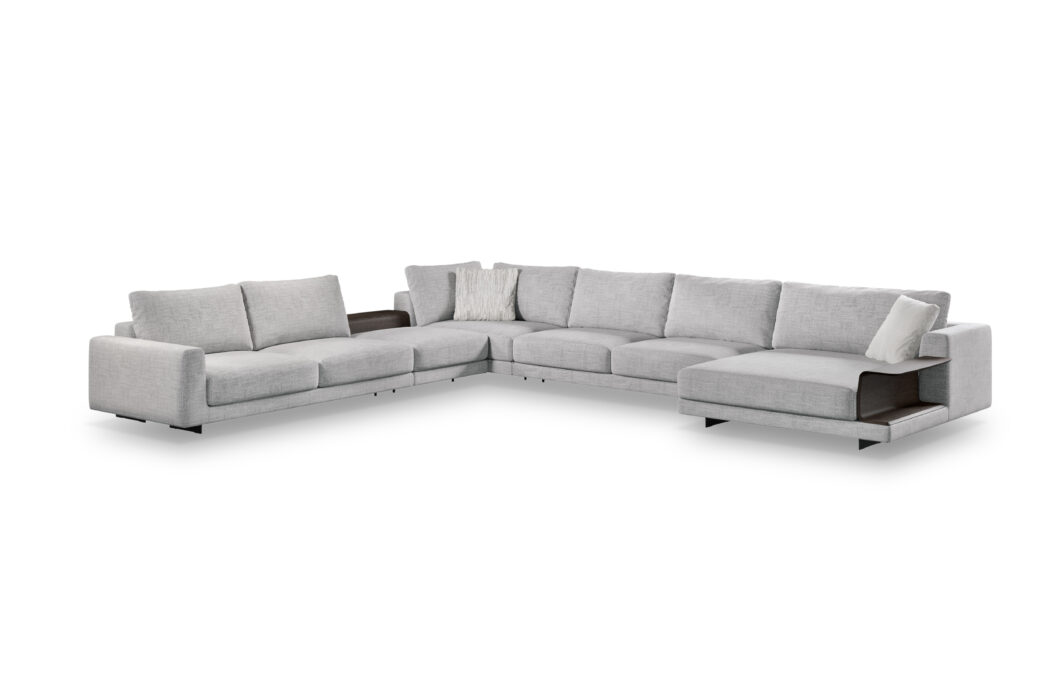
FAQ
Can an armchair be entirely different from my sofa?
Yes. As long as proportions, color harmony, and ergonomics are considered, differences in shape or texture enhance the overall aesthetic.
Is matching upholstery necessary?
No. Complementary colors or textures often produce a more sophisticated, layered look than strict matching.
How do I ensure ergonomic comfort?
Compare seat height and depth between the sofa and chair. Aim for armrests at a compatible height and backrests that support upright or relaxed postures.
Should style contrast be subtle or bold?
Both approaches can work. Subtle contrasts—like pairing Lenox with Stone—offer quiet elegance, while bold contrasts—such as Grey with Goya—create visual interest.
Are there armchairs better suited for modular sofas?
Compact designs with flexible silhouettes, such as Coco or Ray, adapt well to modular configurations without disrupting seating flow. Both armchairs are available in two size options, allowing you to proportionally match the armchair to the scale of the sofa and maintain visual balance regardless of the chosen configuration.
Modern interiors often draw inspiration from diverse cultural aesthetics, blending simplicity, elegance, and functionality. OLTA’s furniture pieces, crafted with European precision, adapt seamlessly to varied design languages – from the minimalist serenity of Japandi to the timeless sophistication of Parisian Chic, and the raw authenticity of Modern Industrial interiors.
Japandi: Minimalism Meets Warmth
Japandi style balances Scandinavian simplicity with Japanese calm. Low-profile seating, natural materials, and neutral tones define this aesthetic. Stone provides a clear example: its streamlined silhouette and muted upholstery allow it to anchor a space without overwhelming subtle textures. Paired with an Orio ceramic countertop coffee table, the composition emphasizes clean lines and functional elegance.
When selecting pieces for Japandi interiors, consider height and seat depth in centimetres to maintain proportional harmony. Armchairs such as Coco contribute soft curves and tactile warmth, complementing modular sofas while preserving the overall minimal palette.
Parisian Chic: Elegant, Curated, and Inviting
Parisian interiors are characterized by refinement, layered textures, and curated details. Sofas with elegant profiles – take Diva for instance – lend themselves to pairing with plush accent chairs like Lenox, creating an intimate seating arrangement. Contrasting fabrics, such as velvet cushions against structured upholstery, add depth without compromising European craftsmanship.
Styling tips include balancing furniture scale and introducing metallic or glass accents to echo Parisian sophistication. Occasional tables like Orio or Six, placed strategically, enhance both function and visual interest while maintaining fluid circulation within the room.
Modern Industrial: Raw Materials and Functional Lines
Modern Industrial aesthetics celebrate exposed materials, structural honesty, and bold geometry. Modular systems such as Mistral provide flexible layouts suitable for open loft spaces. Complementing these with chairs like Grey Wood or Ray introduces warmth through soft upholstery, tempering concrete or metal finishes.
Focus on proportionality and ergonomics: armrests and seat heights must support comfortable posture, while textures such as leather or woven fabric soften the industrial backdrop. Practicality remains key – choose pieces that allow effortless movement and versatile seating arrangements without overcrowding the space.
Integrating OLTA Pieces Across Styles
Across all three aesthetics, OLTA’s portfolio demonstrates adaptability through thoughtful proportion, material quality, and European-crafted detail. Key strategies include:
- Contrast without conflict: Mix soft upholstery with angular frames to add visual depth.
- Scale awareness: Ensure modular systems and armchairs align in seat height and depth (measured in cm) for comfort.
- Texture layering: Introduce complementary fabrics or wood grains to enrich tactile experience.
- Accessory cohesion: Rugs, cushions, and side tables tie diverse pieces together harmoniously.
Bringing Global Aesthetics Home
OLTA pieces demonstrate that European craftsmanship can seamlessly integrate into a variety of international design languages. Whether you are drawn to the serene minimalism of Japandi, the refined elegance of Parisian Chic, or the raw authenticity of Modern Industrial interiors, selecting furniture that balances proportion, texture, and material quality is key. By thoughtfully pairing sofas, armchairs, and tables – such as Stone with Coco, Diva with Lenox, or Mistral with Grey Wood – you create spaces that feel intentional, cohesive, and inviting. The right combination does more than furnish a room; it reflects a lifestyle where comfort, function, and aesthetics coexist in harmony. With OLTA, global design sensibilities become accessible, adaptable, and enduring in any home.
FAQ
Can the same OLTA sofa suit different design styles?
Yes. Modular and neutral-toned sofas such as Stone or Diva can adapt through complementary chairs, tables, and décor choices.
How do I maintain style coherence when mixing aesthetics?
Focus on scale, proportion, and material harmony rather than strict visual matching.
Are there practical guidelines for Japandi or Industrial layouts?
Yes. For Japandi, maintain low-profile, functional arrangements. For Industrial, prioritize open layouts and contrast soft furnishings with structural elements.
Which OLTA armchairs work best across styles?
Compact, versatile designs like Coco or Lenox integrate well into minimal, chic, or industrial interiors, providing comfort without dominating the visual narrative.
How important is European craftsmanship in these aesthetics?
It ensures consistent quality, proportion, and durability – critical for maintaining balance and functional elegance across design styles.
Furniture can do more than serve a function. When thoughtfully designed, it becomes part of the architectural language of a space. OLTA approaches sofas and armchairs as sculptural elements, where comfort and form coexist without compromise. Distinct silhouettes, carefully balanced proportions, and refined upholstery turn seating into a visual anchor for the entire room.
Sofas as Architectural Statements
Certain interiors benefit from a sofa that defines the space rather than blends into it. Goya and Anaga sofas exemplify this approach through their strong, confident geometries. Their clearly articulated volumes make them suitable for open-plan living rooms, where the sofa must visually organize the space while remaining inviting for everyday use.
In more expressive interiors, modular concepts take on a sculptural role. Reverso’s composition, built from clearly separated elements, allows the sofa to read as a designed structure rather than a continuous block. Positioned centrally, it functions almost like a spatial divider—without closing the room.
Softer Forms, Artistic Presence
Not all sculptural furniture relies on sharp lines. Amalfi and Hudson sofas introduce rounded contours that soften the interior while still commanding attention. Their flowing forms work especially well in calm, minimalist environments, where a single expressive piece can replace multiple decorative elements.

Take Stone, for example—its balanced proportions allow it to act as a focal point even in restrained color palettes. Here, form becomes decoration.
Armchairs as Functional Sculptures
Armchairs often provide the perfect opportunity to introduce an artistic accent. Grey’s compact silhouette offers visual clarity, making it suitable for smaller spaces where every element must be intentional. Meanwhile, Coco’s enveloping shape creates a sense of intimacy, ideal for quiet corners or reading zones.
Grey Wood’s exposed structure adds an architectural note, allowing the armchair to stand on its own—whether paired with a sofa or used independently.
How to Style Sculptural Seating
- Let one dominant form lead the composition
- Keep surrounding elements visually restrained
- Allow negative space to emphasize the furniture’s shape
FAQ
Can sculptural sofas still be comfortable for daily use?
Yes. OLTA designs combine expressive forms with ergonomics suitable for everyday living.
Do architectural sofas work in smaller interiors?
Yes. Models with clear, compact silhouettes—such as Duo or Avant—are well suited to limited spaces.
Can OLTA armchairs function as standalone design pieces?
Absolutely. Armchairs like Coco or Grey are designed to work independently as visual accents.
Where are OLTA products made?
All OLTA furniture reflects European craftsmanship and quality standards.
For many interiors, the corner sofa has long been the default choice. While practical, it often limits how a living space can evolve over time. Modular systems from OLTA offer a more flexible approach, allowing layouts to respond to daily routines, changing needs, and architectural constraints. Below are five creative configurations that move beyond the traditional corner setup—each grounded in real modular solutions from OLTA’s collection.
1. The Floating Island
Instead of pushing the sofa against the wall, position it centrally to create a social island. The Horizon modular system works particularly well here, as its clearly defined modules allow for symmetrical arrangements. A central composition helps zone open-plan interiors, separating the living area from dining or kitchen spaces without the need for partitions.
2. Two-Facing Conversation Layout
In larger living rooms, consider splitting the sofa into two facing sections. Maxwell’s modular construction makes it possible to create parallel seating that encourages direct interaction. This layout is ideal for homes where conversation and shared moments take precedence over screen-focused arrangements.
3. Compact Linear with a Twist
Not every modular solution needs to be expensive. Amalfi’s streamlined modules allow for a linear setup enhanced by a single perpendicular element. The result is a compact yet dynamic composition that fits well in narrower rooms while still offering visual interest and practical seating.
4. Open U-Shape Without Enclosure
A U-shaped layout does not have to feel heavy or enclosing. Take the Stone system, for example—its modular proportions allow for an open-ended U configuration that maintains circulation flow. This arrangement works well in family living rooms, offering generous seating while keeping the space breathable.
5. Lounge-Oriented Asymmetry
For a more relaxed atmosphere, asymmetrical layouts introduce an informal rhythm. Reverso’s modular elements can be combined into uneven compositions that prioritize lounging and flexibility. This approach suits interiors designed around slow living, where comfort and adaptability define the space.
Practical Tips for Planning a Modular Layout
- Always measure circulation paths; allow comfortable walkways in centimeters, not approximations.
- Combine modules gradually—start with a core configuration and expand if needed.
- Use modularity to adapt the sofa to architectural features rather than forcing symmetry.
FAQ
Can OLTA modular sofas be reconfigured after purchase?
Yes. All modular systems are designed to allow reconfiguration using compatible modules within the same collection.
Are these layouts suitable for small living rooms?
Yes. Systems such as Goya and Diva or Horizon offer modules that support compact and linear arrangements ideal for limited spaces.
Do modular sofas require special tools to rearrange?
No. Reconfiguration is straightforward and does not require specialized tools.
Are OLTA modular sofas produced in Europe?
Yes. OLTA furniture reflects European craftsmanship and design standards.