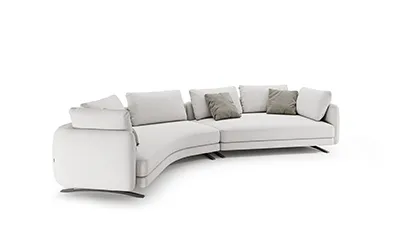
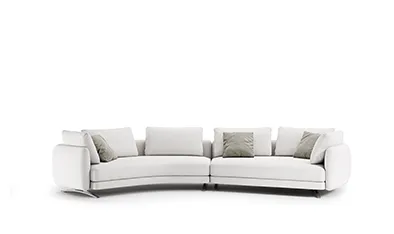
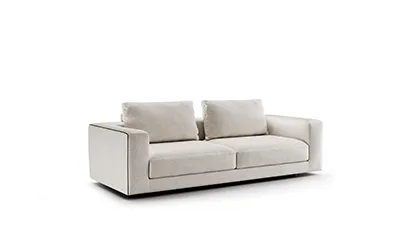
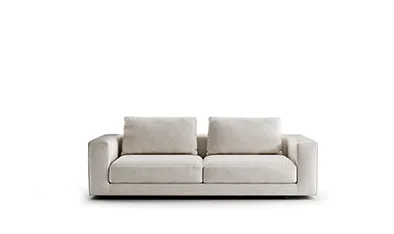
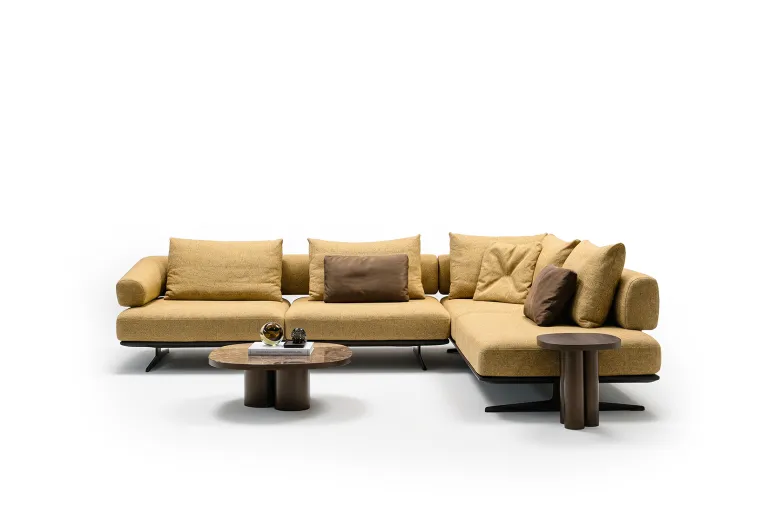
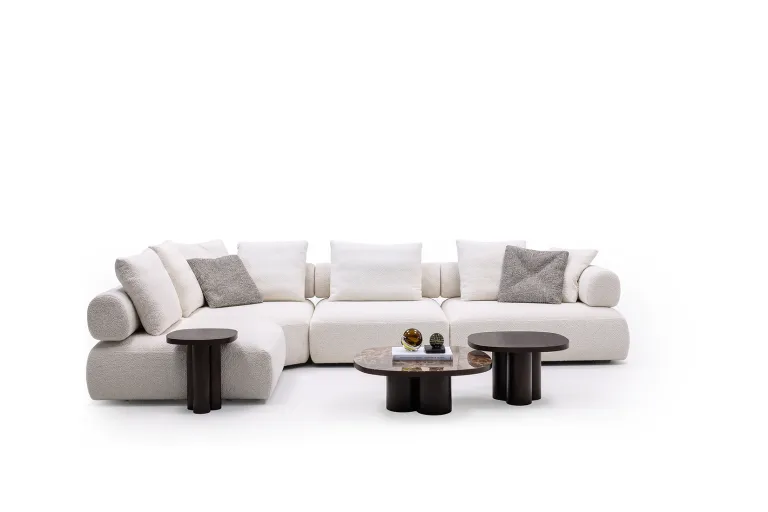
In the modern luxury landscape, sustainability is no longer a secondary consideration – it is the ultimate hallmark of quality. As homeowners move away from disposable culture, the focus has shifted toward “investment pieces” that offer both aesthetic beauty and a reduced environmental footprint through longevity. Choosing between premium natural leather and high-tech fabrics is a decision that balances tactile preference with long-term ecological impact.
The Case for Natural Longevity
Premium leather is often cited as the gold standard for durability. When sourced and processed according to strict European standards, it becomes a material that does not just last – it evolves. Unlike synthetic alternatives that may show wear through fraying, high-quality leather develops a unique patina over time. This aging process adds character to the furniture, extending its life cycle for decades.
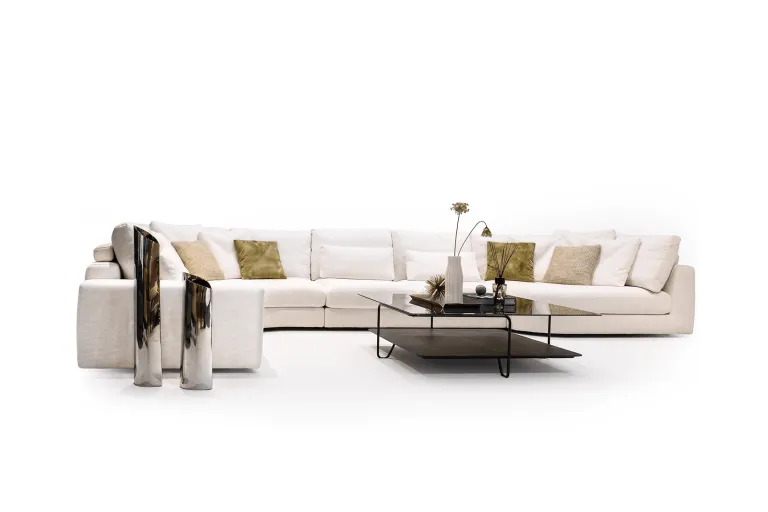
A substantial modular system, such as Ritz, gains a sense of architectural permanence when upholstered in natural hides. The material’s ability to regulate temperature and its inherent resistance to dust mites make it a practical choice for healthy living environments. Because a leather sofa can often outlast three or more textile-based counterparts, its total “cradle-to-grave” eco-footprint is significantly lower, making it a cornerstone of sustainable opulence.

Innovation in High-Tech Textiles
For those who prefer the warmth and variety of textiles, the “high-tech” revolution has introduced fabrics that rival leather in terms of endurance. Modern premium fabrics are engineered for high martindale counts – a technical measure of abrasion resistance – ensuring they can withstand the rigors of a multifunctional home.
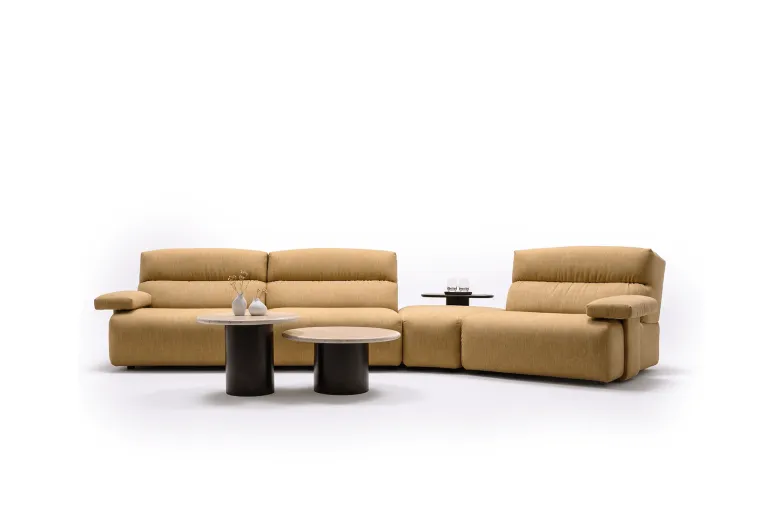
The Maxwell sofa, with its clean and structured lines, serves as an excellent canvas for these advanced weaves. Many of these textiles are now produced using recycled fibers or closed-loop manufacturing processes, reducing water and energy consumption. When applied to a model like Samoa these fabrics provide a soft, breathable surface that maintains its structural integrity and color brilliance for years.

Balancing Ethics and Aesthetics
Ultimately, the most sustainable choice is the one that remains in your home the longest. Choosing a timeless silhouette over a passing trend is a vital part of eco-conscious design.
- Tactile Layering: Combine a leather-clad Spectra sofa with fabric-upholstered Oval poufs to enjoy the benefits of both worlds.
- Maintenance as Sustainability: Regular care using manufacturer-approved kits ensures that both leather and fabric remain in peak condition, preventing premature replacement.
- Modular Scalability: Systems like Horizon allow you to replace or reupholster individual modules rather than the entire unit, drastically reducing waste.
FAQ
Q: Which material is better for a home with high daily activity? A: Both offer distinct advantages. Natural leather is exceptionally easy to wipe clean, making it ideal for dining-adjacent areas. High-tech fabrics are designed with advanced weave structures that resist snagging and pilling, offering a soft yet resilient alternative.
Q: Does natural leather require more maintenance than fabric? A: Leather requires occasional conditioning to maintain its elasticity and prevent drying. However, this small investment in time is what allows the material to last for decades, whereas low-quality fabrics may lose their shape or texture much sooner.
Q: Are high-tech fabrics “breathable” for long-term comfort? A: Yes. Modern premium textiles are engineered to allow air circulation, which is essential for deep-seating models like Willow. This ensures a consistent microclimate between the user and the furniture, regardless of the season.
Q: How does the choice of filling affect the longevity of the upholstery? A: The internal structure is crucial. Models that utilize high-resilience foam paired with natural feathers – for instance, the Hudson sofa – provide a supportive base that prevents the upholstery from over-stretching, maintaining the crisp look of both leather and fabric.
Q: Can I mix different upholstery materials within one room? A: Absolutely. Integrating a leather Ray armchair into a room dominated by a fabric Goya modular system creates a sophisticated material contrast. This diversity in textures is a key element of contemporary European luxury.
The design language of the 1970s has returned with a sophisticated, modern twist. This revival is defined by the striking contrast between the cold, reflective surfaces of chrome and the plush, inviting warmth of high-end upholstery. By merging these two worlds, you create an interior that feels both nostalgic and firmly rooted in contemporary European luxury.
The Foundation of Softness
To successfully execute the 70s revival, the seating must feel substantial and unapologetically comfortable. Mistral’s deep, generous cushions and low-slung profile serve as an ideal anchor for this look. When draped in a textured bouclé or a rich velvet, this sofa provides the necessary visual softness to balance the sharp reflections of metallic accents. The key is to choose silhouettes that emphasize relaxation and “slow living.”

Similarly, the Avant sofa – with its clean lines and ergonomic support – offers a more structured take on the retro trend. Its precise tailoring highlights the quality of the craftsmanship, ensuring that even the most comfort-oriented pieces maintain a sense of architectural discipline. Placing a piece like this against a backdrop of metallic wallpaper or next to a chrome floor lamp creates a dynamic tension that defines the modern 1970s aesthetic.
Metallic Accents as Visual Jewelry
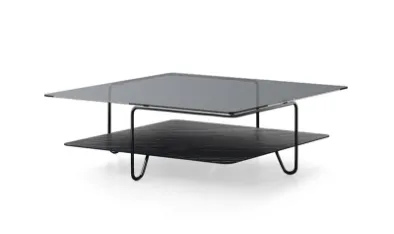
Chrome and polished steel act as the jewelry of the room. Instead of overwhelming the space with metal, use it strategically through lighting and complementary furniture. The Orio table series, featuring minimalist black steel frames and elegant tops, provides a sophisticated, graphic anchor that offsets both the brilliance of chrome accents and the matte finish of a fabric sofa. The interplay between the cool metallic elements and the warm textile creates a sensory richness that is a hallmark of this style.

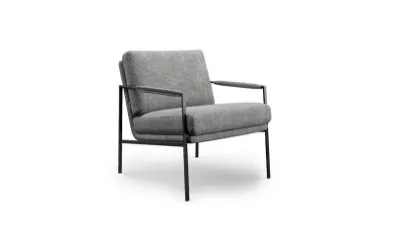
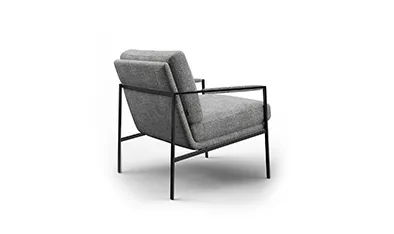
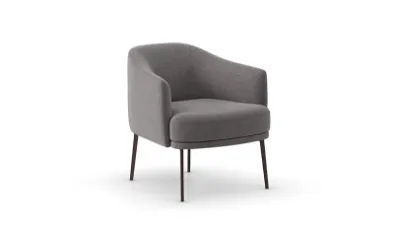
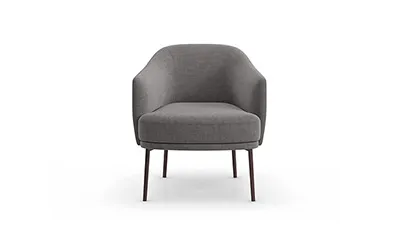
For a more integrated approach, consider the smaller details. The Lenox armchair features distinctive legs in brown or black painted steel, providing a muted, architectural foundation that allows other chrome elements in the room to stand out. This consistency in metallic details – from the dark steel feet of an armchair to the minimalist frames of surrounding tables – creates a cohesive narrative without making the room feel sterile.
Textural Contrast and Color
The “Modern 70s” palette often leans towards earth tones: ochre, terracotta, and deep moss green. These colors naturally enhance the brilliance of chrome. To add depth, layer different materials. Pairing the refined silhouette of a Grey armchair with the chunky, high-texture weave of a larger modular system creates a sophisticated environment where every piece has its own tactile identity.

Practical Tips for the Retro Revival
- Balance Proportions: Use a “heavy” sofa like the Samoa to anchor the room, then lighten the look with “leggy” metallic side tables.
- Warm the Metal: Chrome can feel cold; counteract this by incorporating warm wood elements or soft, ambient lighting with a high color rendering index.
- Reflective Placement: Position your chrome accents where they can catch natural light, but avoid placing them directly opposite a TV to prevent glare.
FAQ
Q: Is the 70s revival suitable for small living rooms? A: Yes. By using pieces with raised legs, such as the Hudson sofa, you keep the floor visible, which creates an illusion of more space while still embracing the bold textures of the era.
Q: Which table heights work best with low-slung 70s-style sofas? A: For low-profile seating, a table height of 50–55 cm is ideal. The Taxi table is an excellent choice here, providing easy access to the surface without towering over the sofa.Q: Can I mix chrome with other metals in this style? A: While the 1970s were dominated by chrome and brass, it is best to stick to one dominant metal. If you are using chrome lamps or accessories, pair them with a table that has a neutral or dark frame, such as Six, to let the metallic accents truly shine. This ensures a polished look without the visual clutter of clashing metal finishes.
The concept of the home has undergone a fundamental transformation. No longer just a static place for rest, the modern living area now serves as an office, a cinema, and a social hub – often all within the same day. This shift has given rise to “fluid living,” a design philosophy where furniture must adapt to the user, rather than the other way around. At the heart of this movement is the modular sofa, a piece of furniture that offers unparalleled flexibility for the evolving household.
Evolution of the Living Space
Traditional, fixed-set sofas often dictate the layout of a room, limiting how a space can be used. Modular systems break these boundaries by allowing homeowners to reconfigure their seating according to their immediate needs. Ritz’s expansive range of modules, for instance, allows for the creation of deep, island-like arrangements that can be separated or joined depending on the occasion. This adaptability ensures that the interior remains functional whether you are hosting a large gathering or seeking a private corner for reflection.

The beauty of a modular approach lies in its scalability. A configuration that fits a city apartment can be expanded with additional units when moving to a larger home. Horizon addresses this reality with a disciplined, architectural system that can grow or change shape over time. By selecting individual components, you are not just buying a sofa; you are investing in a living system that evolves alongside your lifestyle.
Defining Zones Without Walls
In open-plan interiors, modular furniture acts as a sophisticated tool for zoning. A well-placed modular arrangement can define the boundaries of a relaxation area without the need for permanent partitions. The Luis modular system – noted for its 103 cm seat depth – creates a substantial visual anchor that naturally separates the lounge from the dining or kitchen zones.

To further enhance this fluidity, the focus shifts to pieces that bridge the gap between different functional areas. The Lenox armchair – available with higher legs – is a versatile element that effortlessly transitions from a standalone lounge piece to additional seating at the dining table. This adaptability is key to a home where boundaries between relaxing and dining are blurred, allowing the space to be rearranged in minutes to accommodate new activities and ensuring a constant flow between different zones.
Practical Tips for Modular Layouts
- Measuring for Movement: When planning a large modular setup, always ensure a minimum passage of 90 cm around the furniture to maintain a natural flow of movement.
- Orientation Matters: Consider a “double-sided” arrangement where modules face in opposite directions – one towards the fireplace and another towards the window – to maximize the functionality of a central “island.”
- Ease of Reconfiguration: Opt for systems with intuitive connecting mechanisms that allow you to change the layout without professional assistance.
FAQ
Q: Are modular sofas as comfortable as traditional ones? A: Yes. Because each module is constructed with the same attention to detail as a standalone piece, there is no compromise on comfort. Systems like Elixir combine high-resilience foam with feathers to ensure a consistent, luxurious experience across every seat.
Q: Can I add new modules to my existing system years later? A: Most European-manufactured collections maintain consistent dimensions and connection points within their core lines, allowing for future expansions. It is always best to verify current fabric availability with the manufacturer when planning an upgrade.Q: How do I prevent modules from sliding apart on wooden floors? A: High-quality modular systems are equipped with specialized, discreet connectors that lock the units firmly together. Additionally, placing the entire arrangement on a large area rug provides extra grip and further defines the seating zone.
Modern minimalism is more than an aesthetic; it is a way of living that values purposeful design, spatial clarity, and comfort without clutter. In contemporary interiors, clean lines and neutral palettes create calm environments, but comfort should never be sacrificed for simplicity. Thoughtful selection of furnishings – from sofas to armchairs and tables – can deliver a minimalist look while ensuring that every piece invites you to relax and dwell. European craftsmanship underscores this approach, where refined design meets ergonomic detail.
The Essence of Minimalist Comfort
Minimalist interiors thrive on restraint: limited decorative elements, clean geometric forms, and seamless spatial flow. However, minimalist furniture can still be deeply inviting. Consider the Willow sofa—its modularity allows you to tailor configurations for social lounging or intimate relaxation without disrupting a pared‑back palette, and its seat height of 42 cm supports ergonomic comfort.

Anchor Seating: Sofas that Elevate Minimalism
The beauty of simplicity is that each piece becomes intentional and meaningful.
- Willow sofa structures the living area with soft geometric forms that balance visual calm and tactile comfort. Its configurable modules adapt from 80 cm to 256 cm in width, enabling you to scale seating to the room without visual overload.
- In contrast, model Anaga offers adjustable headrests and supportive back layers that foster a more dynamic comfort profile while preserving minimalist lines.
- Take the Ritz sofa—a distinctly simple silhouette with high‑quality supportive construction that shapes comfort harmoniously within a restrained scheme.
Each of these sofas exemplifies how minimalist form and ergonomic features can coexist without unnecessary ornamentation.
Seating and Accent Pieces: Adding Depth Without Clutter
Minimalist interiors benefit from carefully chosen accent chairs and low‑profile tables that act as functional focal points.
An armchair such as Lenox complements minimalist seating arrangements by offering a compact footprint without compromising comfort. Selecting upholstery and finishes that match or subtly contrast the sofa fabric maintains visual continuity.

For surfaces, low‑slim tables should offer practicality without heaviness. Simple rectangular or round tops in light wood or matte finishes support activities—from holding a morning coffee to displaying a carefully curated book stack—while preserving clean sightlines.
Functional Layering with Tables
Introduce occasional tables as anchors for activity zones. A coffee table with a surface height around 40–45 cm encourages relaxed interaction without interrupting minimalist proportions. While surface choices are stylistic, prioritize sturdy materials and clean forms that articulate function through simplicity.
Practical Tips for Achieving a Minimalist yet Comfortable Space
1. Limit Visual Noise:
Select a restrained color palette—warm neutrals, muted tones, or soft earth shades—to reinforce calm spatial perception.
2. Prioritize Proportions:
Measure your seating and circulation zones carefully. Optimal distances between sofa edges and tables (around 45–60 cm) ensure ease of movement and practical use.
3. Layer Textures, Not Objects:
Introduce texture with upholstery and textiles rather than decorative knick‑knacks. A finely tailored sofa fabric and a subtle wool rug add comfort while maintaining minimalism.
FAQ—Minimalism and Comfort in Practice
Q: How do I maintain a minimalist aesthetic without making my space feel cold?
A: Invest in high‑quality seating with thoughtful upholstery and ergonomic design. Soft yet structured sofas with warm upholstery (e.g., Willow) and accent chairs with supportive cushions deliver human comfort within a minimalist aesthetic.
Q: Can modular seating work in small spaces?
A: Yes. Modular systems allow you to define zones efficiently and reconfigure seating as needs change. Choose compact modules for small rooms and keep clear pathways.
Q: What height should my coffee table be relative to my sofa?
A: Aim for surface heights that are about 40–45 cm to sit comfortably within reach of standard sofa seat heights to support everyday use without disrupting line of sight.
Q: Should minimalist rooms avoid color entirely?
A: Minimalism benefits from a limited palette, but soft hues and natural materials add warmth without compromising simplicity.