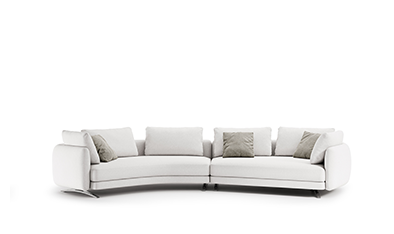
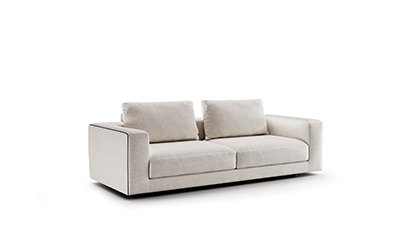
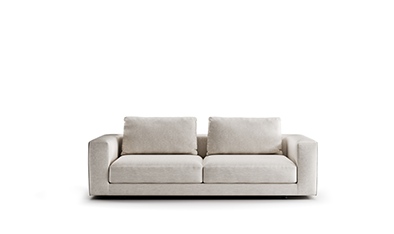
The concept of the home has undergone a fundamental transformation. No longer just a static place for rest, the modern living area now serves as an office, a cinema, and a social hub – often all within the same day. This shift has given rise to “fluid living,” a design philosophy where furniture must adapt to the user, rather than the other way around. At the heart of this movement is the modular sofa, a piece of furniture that offers unparalleled flexibility for the evolving household.
Evolution of the Living Space
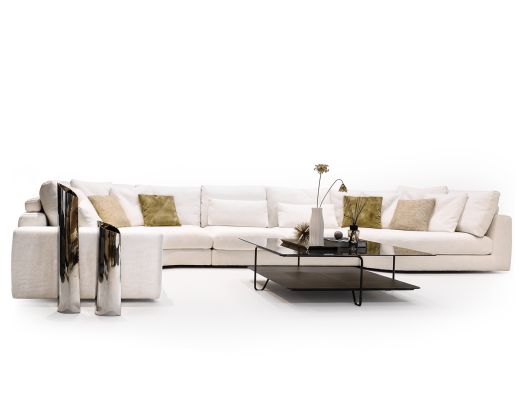
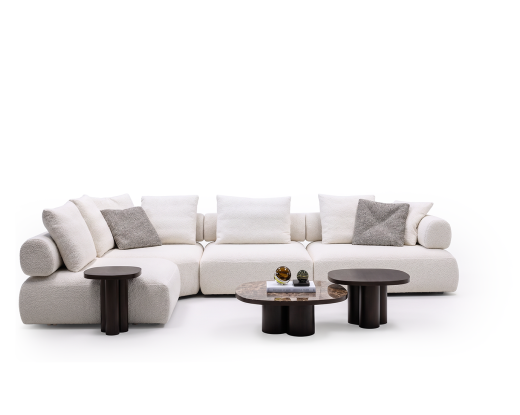
Traditional, fixed-set sofas often dictate the layout of a room, limiting how a space can be used. Modular systems break these boundaries by allowing homeowners to reconfigure their seating according to their immediate needs. Ritz’s expansive range of modules, for instance, allows for the creation of deep, island-like arrangements that can be separated or joined depending on the occasion. This adaptability ensures that the interior remains functional whether you are hosting a large gathering or seeking a private corner for reflection.

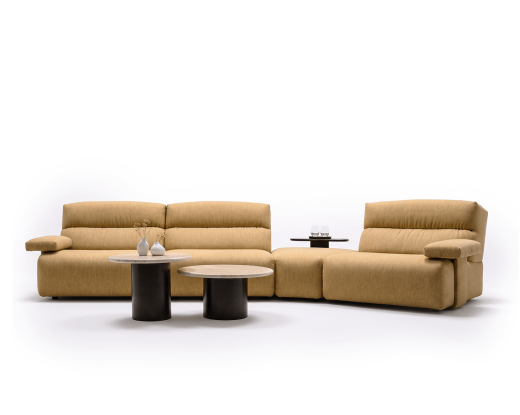
The beauty of a modular approach lies in its scalability. A configuration that fits a city apartment can be expanded with additional units when moving to a larger home. Horizon addresses this reality with a disciplined, architectural system that can grow or change shape over time. By selecting individual components, you are not just buying a sofa; you are investing in a living system that evolves alongside your lifestyle.
Defining Zones Without Walls
In open-plan interiors, modular furniture acts as a sophisticated tool for zoning. A well-placed modular arrangement can define the boundaries of a relaxation area without the need for permanent partitions. The Luis modular system – noted for its 103 cm seat depth – creates a substantial visual anchor that naturally separates the lounge from the dining or kitchen zones.

To further enhance this fluidity, the focus shifts to pieces that bridge the gap between different functional areas. The Lenox armchair – available with higher legs – is a versatile element that effortlessly transitions from a standalone lounge piece to additional seating at the dining table. This adaptability is key to a home where boundaries between relaxing and dining are blurred, allowing the space to be rearranged in minutes to accommodate new activities and ensuring a constant flow between different zones.
Practical Tips for Modular Layouts
- Measuring for Movement: When planning a large modular setup, always ensure a minimum passage of 90 cm around the furniture to maintain a natural flow of movement.
- Orientation Matters: Consider a “double-sided” arrangement where modules face in opposite directions – one towards the fireplace and another towards the window – to maximize the functionality of a central “island.”
- Ease of Reconfiguration: Opt for systems with intuitive connecting mechanisms that allow you to change the layout without professional assistance.
FAQ
Q: Are modular sofas as comfortable as traditional ones? A: Yes. Because each module is constructed with the same attention to detail as a standalone piece, there is no compromise on comfort. Systems like Elixir combine high-resilience foam with feathers to ensure a consistent, luxurious experience across every seat.
Q: Can I add new modules to my existing system years later? A: Most European-manufactured collections maintain consistent dimensions and connection points within their core lines, allowing for future expansions. It is always best to verify current fabric availability with the manufacturer when planning an upgrade.Q: How do I prevent modules from sliding apart on wooden floors? A: High-quality modular systems are equipped with specialized, discreet connectors that lock the units firmly together. Additionally, placing the entire arrangement on a large area rug provides extra grip and further defines the seating zone.
Living in a compact space doesn’t mean compromising on comfort or style. Smaller living rooms often become the most intimate and inviting spaces when thoughtfully designed. The secret lies in choosing furniture that works harder, adapts smarter, and maintains elegance despite spatial constraints.
The modular advantage in compact spaces
Traditional sofas can dominate small living rooms, leaving little room for movement. This is where modular systems reveal their genius. The Goya collection demonstrates how individual modules function as complete seating solutions while maintaining flexibility to expand or reconfigure. Each piece stands alone beautifully, yet connects seamlessly when you need more seating.

Oxygen‘s innovative metal frame construction allows for slimmer profiles without compromising structural integrity. The collection’s clean lines and contemporary aesthetic maintain visual lightness, preventing that overwhelming feeling oversized furniture creates in tight quarters.

Strategic configuration for maximum impact
The beauty of modular design lies not in having many pieces, but in having the right pieces that transform based on your needs:
Daily living: Arrange modules in an L-shape against walls to maximize floor space. Reverso‘s reversible design truly stands out, offering different looks and levels of comfort simply by flipping the cushions.
Entertainment: Pull modules apart to create individual seats. The Stone series works wonderfully, with each module substantial enough to stand alone.
Work-from-home: Position a upholstered armchair as an office chair alternative. The ergonomic support in Lenox Chair carefully crafted proportions makes extended sitting comfortable.

Vertical thinking and visual tricks
Small spaces benefit from thinking beyond floor plans:
- Low-profile designs that don’t block sightlines
- Raised legs creating an airy feel – Hudson’s sleek base exemplifies this perfectly
- Consistent color palettes making spaces feel larger
- Dual-purpose modules that serve as storage or side tables
The versatility in Spectra’s design allows certain modules to function as both seating and surface space. Add a tray on top of a firm cushion module, and you have a coffee table that transforms back into seating when needed.
Quality that defies constraints
Small living rooms see intensive use – they’re often bedroom, office, and entertainment center rolled into one. This demands furniture built to withstand constant reconfiguration. OLTA’s signature combination of memory foam and feathers ensures consistent comfort whether modules are used separately or together.
Taking inspiration from Horizon robust construction, quality modular systems maintain their shape despite frequent rearrangement. Premium fabrics resist wear at connection points, while reinforced frames prevent loosening over time.
Smart color and fabric choices
In compact rooms, fabric selection becomes critical. Light neutrals generally expand visual space, but don’t dismiss deeper colors entirely. The sophisticated palette available for Samoa shows how rich chocolate or forest green creates depth without overwhelming.
Consider performance fabrics that resist stains – essential when furniture serves multiple purposes. Textured neutrals add visual interest without busy patterns, while consistent fabric across modules ensures cohesion.
Creating zones without walls
Modular systems excel at defining areas within open-plan spaces. Reverso substantial presence can effectively separate living from dining areas. Position modules back-to-back to create distinct zones while maintaining flow.
The adaptability in Olta furniture design means you can adjust these zones seasonally – open and airy for summer, cozier configurations for winter. This flexibility lets your small space evolve with your lifestyle.
FAQ
Q: How many modules do I need for a small living room?
A: Start with 2-3 modules that work independently or together. Olta offers modules that each provide complete seating comfort, so you can begin modestly and add pieces as needed.
Q: Can modular furniture really save space compared to traditional sofas?
A: Absolutely. Olta’s modular approach means you’re not locked into one configuration. Modules can spread out for parties, consolidate for movie nights, or separate for multiple work stations – versatility a fixed sofa can’t match.
Q: What about coffee tables with modular seating?
A: Consider the Orio collection’s minimal tables designed to complement modular arrangements. Alternatively, use ottoman modules from your seating system as makeshift tables.
Q: How do I maintain style cohesion when modules are separated?
A: Choose systems with strong individual character. Stone’s refined design ensures each module looks intentional when standing alone. Consistent fabric and complementary accent pieces help maintain visual unity.
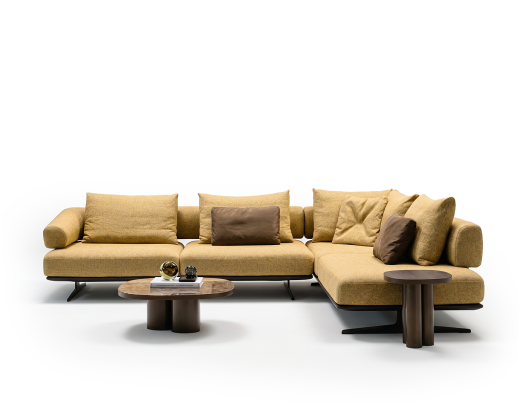
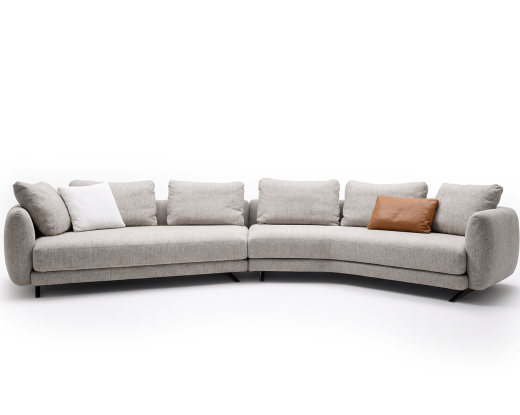
Where the wild Atlantic meets the volcanic cliffs of Northern Tenerife, nature creates forms that are both dramatic and deeply calming. The ANAGA Collection captures this essence – asymmetrical lines flowing into soft, embracing silhouettes that transform any living space into a sanctuary of slow living.
Sculptural comfort, redefined
ANAGA introduces a three-layer memory foam system that responds to your body’s weight and temperature. The result? Support that feels personal, enveloping you without losing its shape over time. A steel frame beneath ensures lasting stability, while slim painted legs elevate the piece visually – creating an impression of lightness despite its generous proportions.

Adapt to every moment
Adjustable headrests and armrests let you shift from focused conversation to full relaxation with a simple gesture. Hosting friends? Raise the headrests for an upright, engaged posture. Movie night? Lower them for full relaxation and cocooned comfort. This flexibility makes ANAGA equally suited to formal living rooms and intimate family spaces.
Modular by design
The collection’s modular architecture supports both classic configurations and bold, asymmetrical layouts. Individual elements can be combined, rearranged, or expanded as your needs evolve – a sofa that grows with your life rather than limiting it.
FAQ
What makes ANAGA’s comfort different from other collections?
The filling, featuring innovative memory foam, reacts to body weight and temperature, ensuring ideal support and a pleasant enveloping sensation. This combination delivers both immediate softness and long-term durability.
Can I adjust the headrests and armrests myself?
Yes. The adjustment mechanism responds to gentle pressure from your head or hand – no tools required. This is an intentional design feature that allows seamless transitions between sitting positions.
Is ANAGA suitable for smaller living rooms?
The collection offers various module sizes, and slim steel legs create visual lightness. For compact spaces, a two-seat configuration with a single corner element works beautifully without overwhelming the room.