
Modern minimalism is more than an aesthetic; it is a way of living that values purposeful design, spatial clarity, and comfort without clutter. In contemporary interiors, clean lines and neutral palettes create calm environments, but comfort should never be sacrificed for simplicity. Thoughtful selection of furnishings – from sofas to armchairs and tables – can deliver a minimalist look while ensuring that every piece invites you to relax and dwell. European craftsmanship underscores this approach, where refined design meets ergonomic detail.
The Essence of Minimalist Comfort
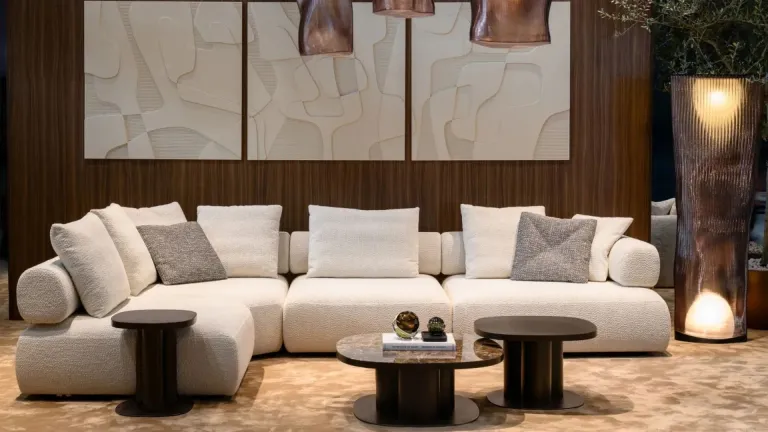
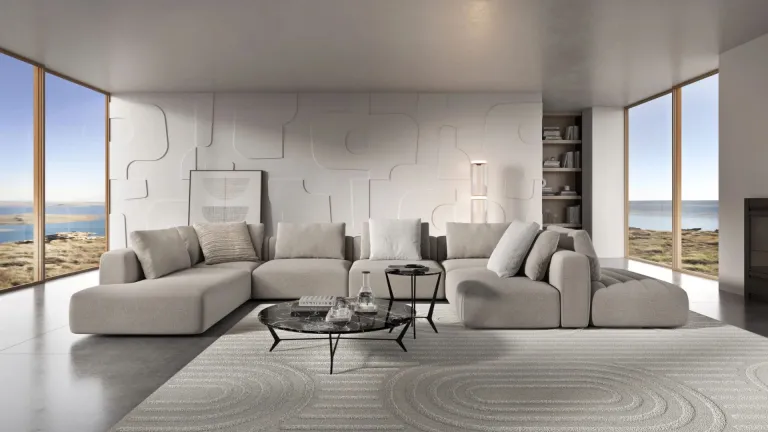
Minimalist interiors thrive on restraint: limited decorative elements, clean geometric forms, and seamless spatial flow. However, minimalist furniture can still be deeply inviting. Consider the Willow sofa—its modularity allows you to tailor configurations for social lounging or intimate relaxation without disrupting a pared‑back palette, and its seat height of 42 cm supports ergonomic comfort.

Anchor Seating: Sofas that Elevate Minimalism
The beauty of simplicity is that each piece becomes intentional and meaningful.
- Willow sofa structures the living area with soft geometric forms that balance visual calm and tactile comfort. Its configurable modules adapt from 80 cm to 256 cm in width, enabling you to scale seating to the room without visual overload.
- In contrast, model Anaga offers adjustable headrests and supportive back layers that foster a more dynamic comfort profile while preserving minimalist lines.
- Take the Ritz sofa—a distinctly simple silhouette with high‑quality supportive construction that shapes comfort harmoniously within a restrained scheme.
Each of these sofas exemplifies how minimalist form and ergonomic features can coexist without unnecessary ornamentation.
Seating and Accent Pieces: Adding Depth Without Clutter
Minimalist interiors benefit from carefully chosen accent chairs and low‑profile tables that act as functional focal points.
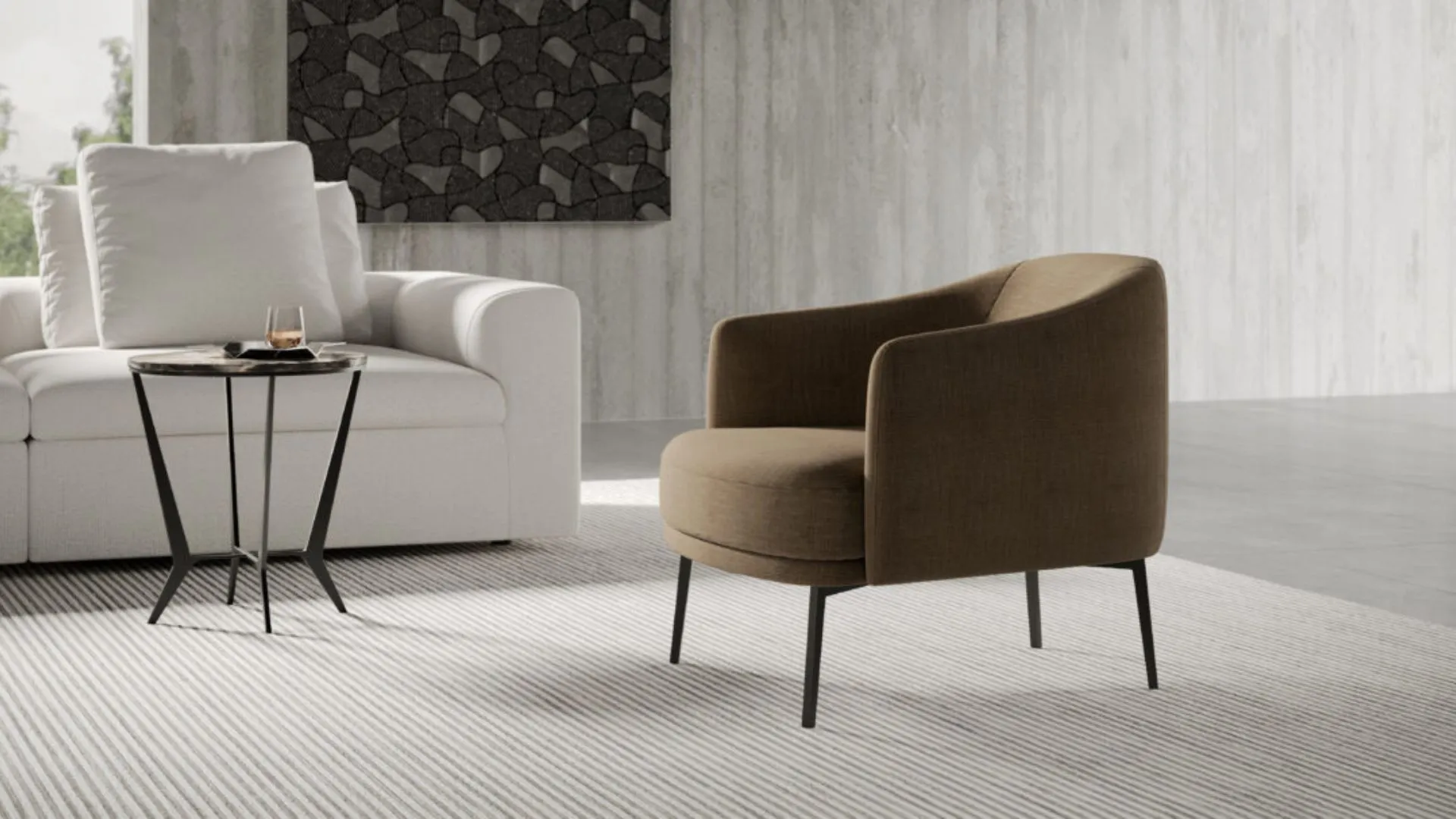
An armchair such as Lenox complements minimalist seating arrangements by offering a compact footprint without compromising comfort. Selecting upholstery and finishes that match or subtly contrast the sofa fabric maintains visual continuity.

For surfaces, low‑slim tables should offer practicality without heaviness. Simple rectangular or round tops in light wood or matte finishes support activities—from holding a morning coffee to displaying a carefully curated book stack—while preserving clean sightlines.
Functional Layering with Tables
Introduce occasional tables as anchors for activity zones. A coffee table with a surface height around 40–45 cm encourages relaxed interaction without interrupting minimalist proportions. While surface choices are stylistic, prioritize sturdy materials and clean forms that articulate function through simplicity.
Practical Tips for Achieving a Minimalist yet Comfortable Space
1. Limit Visual Noise:
Select a restrained color palette—warm neutrals, muted tones, or soft earth shades—to reinforce calm spatial perception.
2. Prioritize Proportions:
Measure your seating and circulation zones carefully. Optimal distances between sofa edges and tables (around 45–60 cm) ensure ease of movement and practical use.
3. Layer Textures, Not Objects:
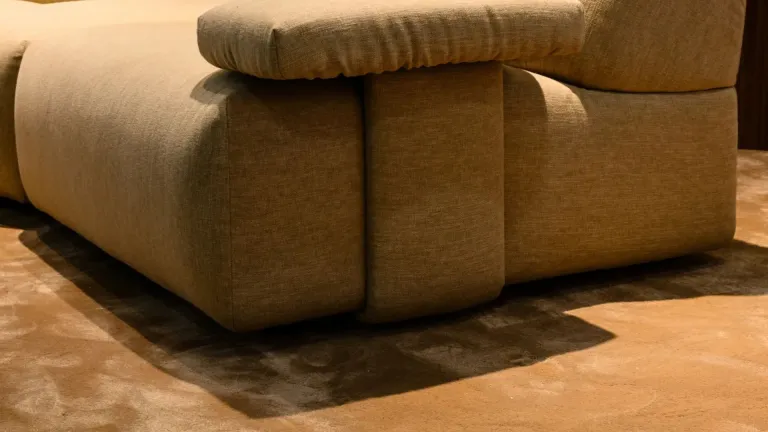
Introduce texture with upholstery and textiles rather than decorative knick‑knacks. A finely tailored sofa fabric and a subtle wool rug add comfort while maintaining minimalism.
FAQ—Minimalism and Comfort in Practice
Q: How do I maintain a minimalist aesthetic without making my space feel cold?
A: Invest in high‑quality seating with thoughtful upholstery and ergonomic design. Soft yet structured sofas with warm upholstery (e.g., Willow) and accent chairs with supportive cushions deliver human comfort within a minimalist aesthetic.
Q: Can modular seating work in small spaces?
A: Yes. Modular systems allow you to define zones efficiently and reconfigure seating as needs change. Choose compact modules for small rooms and keep clear pathways.
Q: What height should my coffee table be relative to my sofa?
A: Aim for surface heights that are about 40–45 cm to sit comfortably within reach of standard sofa seat heights to support everyday use without disrupting line of sight.
Q: Should minimalist rooms avoid color entirely?
A: Minimalism benefits from a limited palette, but soft hues and natural materials add warmth without compromising simplicity.