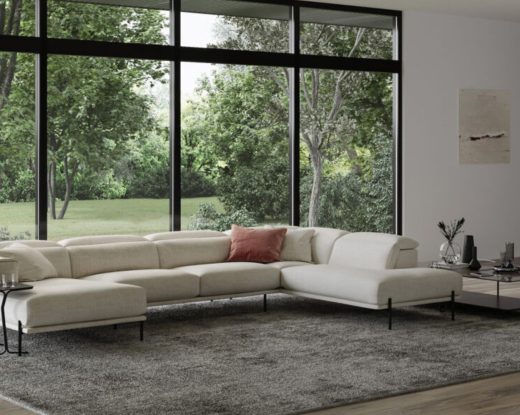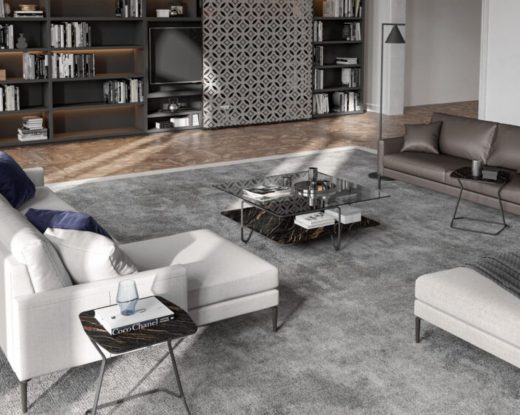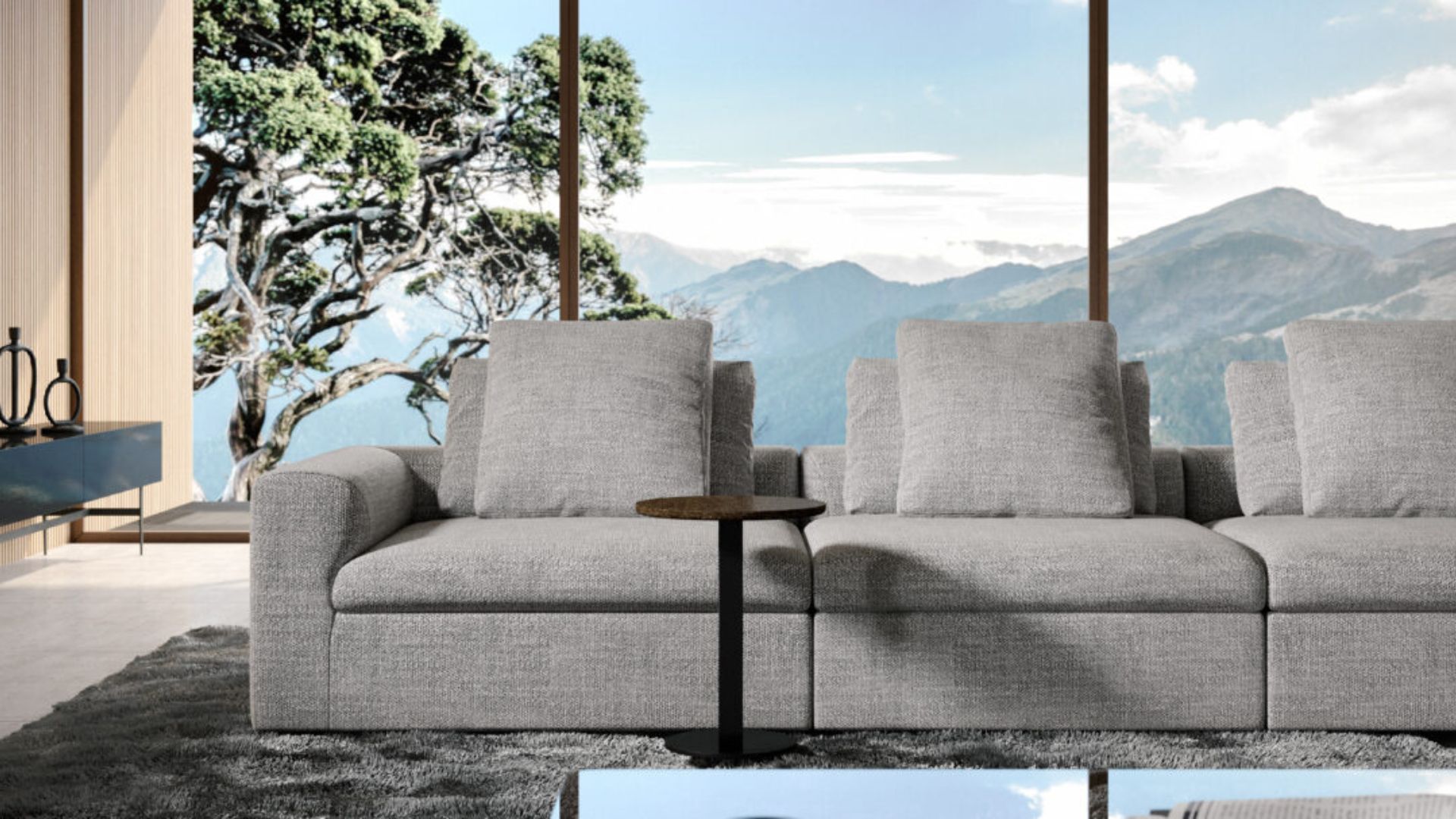

Creating a monochromatic interior is a bold exercise in subtlety. Instead of relying on contrasting colors, this approach focuses on the interplay of textures, light, and varying depths of a single hue. When executed correctly, a monochromatic palette transforms a living space into a serene, sophisticated sanctuary that feels both cohesive and intentionally curated.
Building the Foundation with Texture
The secret to a successful monochromatic room lies in textural diversity. Without different surfaces to catch the light, a single-color space can feel flat. Elixir’s unique combination of feathers and high-resilience foam provides a soft, inviting silhouette that naturally creates shadows and highlights within the fabric. By choosing a structured weave for this model, you introduce a tactile element that grounds the entire arrangement.

In contrast, the Spectra sofa offers a more streamlined, contemporary form. When upholstered in a slightly different shade of the same color – perhaps a cool stone gray against a backdrop of soft charcoal walls – it creates a sophisticated layering effect. This subtle shift in tone prevents the furniture from disappearing into the environment, allowing its architectural lines to remain distinct.
Layering Forms and Heights
Monochromatic design also benefits from a variety of shapes. Incorporating accent pieces with different geometries adds visual “weight” where needed. The Kelly armchair, with its elegant and ergonomic profile, serves as a perfect tonal companion to a larger seating system. Its presence allows you to introduce the same color family in a different scale, adding complexity to the room’s visual narrative.

To further break the uniformity, consider the vertical layers. Horizon presents a disciplined, horizontal orientation that can be offset by more organic shapes. Adding the Coco pouf in a plush, velvet-like texture – but in the same hue – introduces a soft, rounded counterpoint to the sofa’s crisp edges. This technique of “tonal layering” ensures that the eye remains engaged as it moves across the room.
Integrating Hard Surfaces
Natural materials play a crucial role in a monochromatic scheme by providing “organic” versions of your chosen palette. The Metro coffee table – with its minimalist frame and high-quality top – can be selected in a light or dark oak finish to echo the dominant tones of the upholstery. By utilizing these natural wood grains, the table acts as a functional bridge between the soft furniture and the structural elements of the room, adding organic depth to the single-color theme.

Practical Tips for Monochromatic Success
- The 60-30-10 Rule: Even in a monochromatic space, use three versions of the same color: 60% in the dominant shade (sofa and walls), 30% in a secondary tone (rug and chairs), and 10% in the brightest or darkest version of the hue (cushions and accessories).
- Lighting is Key: Use warm lighting to bring out the richness of earth tones, or cool lighting to enhance the crispness of grays and whites.
- Material Mix: Pair smooth leathers with chunky knits or matte finishes with glossy accents to create depth.
FAQ
Q: Will a monochromatic room feel too cold or impersonal? A: Not if you prioritize “European craftsmanship” and natural fillings. Models like Willow, which features a generous over 100 cm seat depth and feather-filled cushions, add a sense of warmth and softness that counteracts the minimalism of a single-color palette.
Q: How do I choose the right shade for a large modular system? A: For expansive configurations – such as the Stone or Reverso systems – it is often best to choose a mid-tone. This allows you to go both lighter and darker with your accents, providing more flexibility for future decor changes while the modular base remains a timeless anchor in the room.
Q: Can I mix different fabrics in the same color? A: Absolutely. In fact, mixing a matte linen-look fabric on a sofa with a smooth leather on a Ray armchair is the most effective way to create the “Monochromatic Mastery” look without it feeling repetitive.